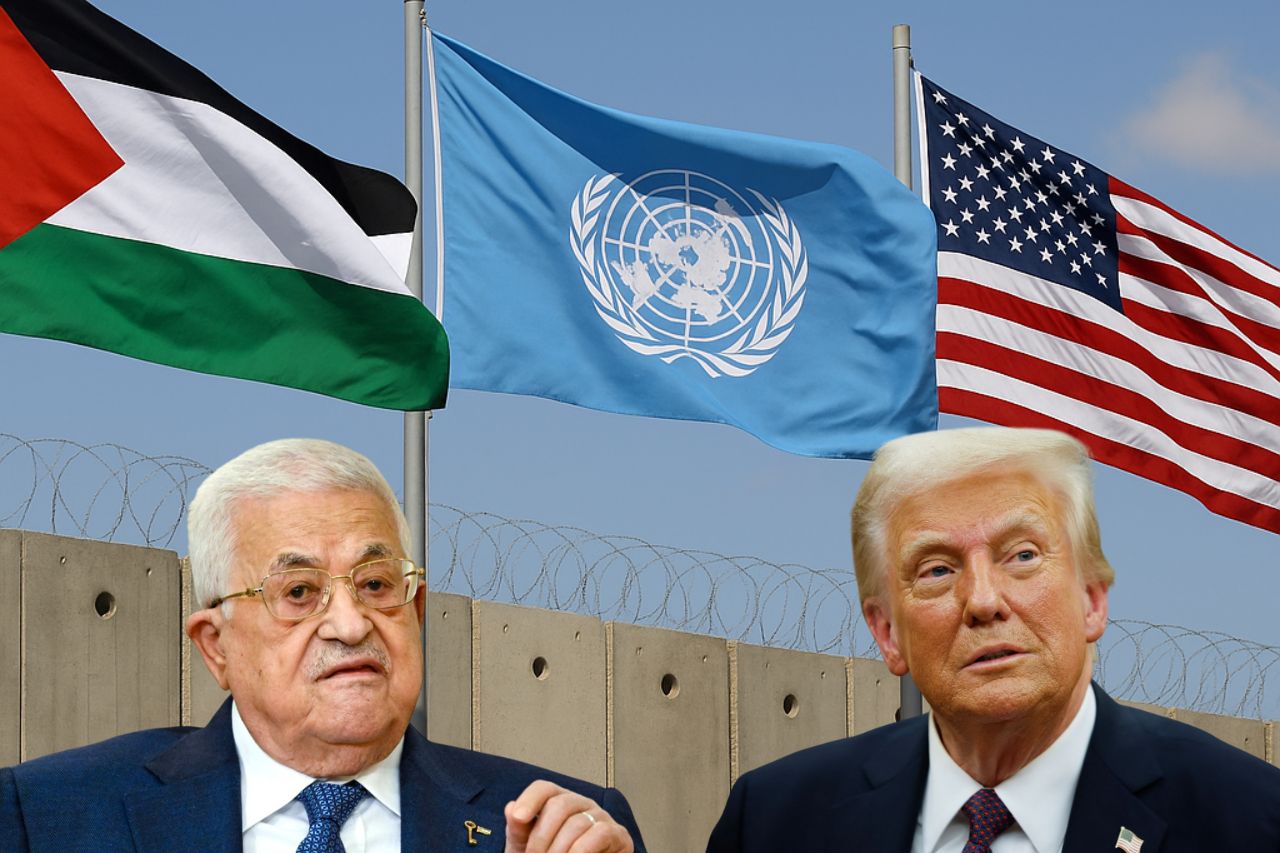
The fragile peace deal between Tehran and Washington is already hitting a wall before the first chair is even pulled out in Islamabad. If you thought a two-week ceasefire meant the missiles would stop and the diplomats would start talking, you haven't been paying attention to the Middle East lately. Iran just threw a massive wrench into the works, and honestly, it’s a move that should surprise absolutely no one.
Mohammad Bagher Ghalibaf, the speaker of Iran’s parliament, made it clear on Friday that Iran isn't interested in sitting down for a "lasting peace" until two very specific things happen. First, the Israeli strikes on Lebanon have to stop. Second, Tehran wants its frozen billions back.
It’s a classic leverage play. By tying the Islamabad negotiations to Lebanon and "blocked assets," Iran’s signaling that a pause in direct U.S.-Iran hostilities doesn't mean they’re ready to play nice while their allies get hammered.
The Lebanon Loophole That Could Sink Everything
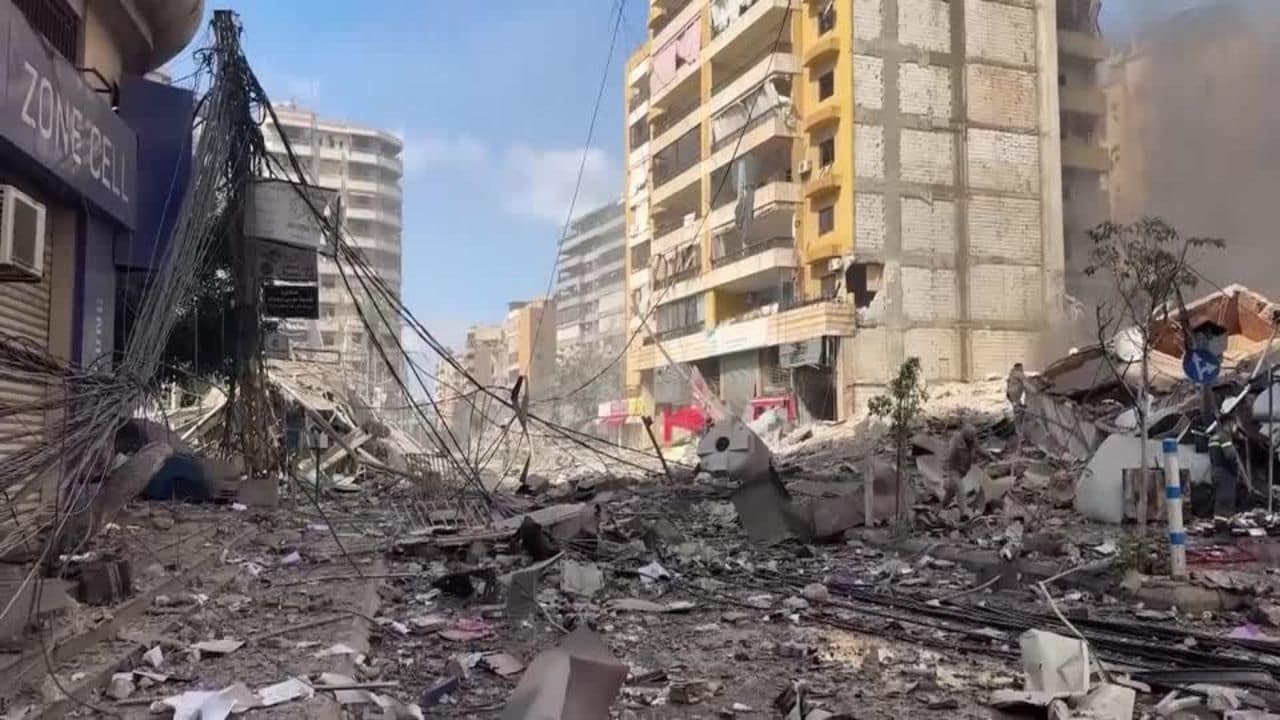
When the two-week ceasefire was announced on April 8, 2026, many hoped it would act as a blanket over the entire region. It didn't. While the direct exchange of fire between U.S. forces and Iran has dipped, Israel has kept the pressure on Lebanon.
From Tehran’s perspective, you can’t have a ceasefire that only protects U.S. assets while Israeli jets continue to pound Beirut. Foreign Minister Abbas Araghchi put it bluntly: Washington can't have it both ways. They can't claim a truce while their closest ally continues the war by proxy.
The disconnect here is dangerous. The U.S. often treats its "ironclad" support for Israel as a separate track from its direct dealings with Iran. Iran sees them as one and the same. If JD Vance arrives in Pakistan this weekend expecting to talk only about nuclear enrichment or the Strait of Hormuz while Lebanon is still burning, he’s going to find a very cold reception.
Follow the Money to the Negotiating Table
The second demand—the release of blocked assets—is where things get really messy. We’re talking about a staggering amount of money, estimated by some sources to be between $100 billion and $120 billion globally.
Iran has spent decades watching its oil revenue sit in foreign bank accounts they can't touch. We’ve seen this movie before. Remember the 2023 prisoner swap that unfroze $6 billion in South Korea? Or the 2015 JCPOA? To the Iranian leadership, "negotiating in good faith" is synonymous with "getting paid."
They’re claiming these releases were already "mutually agreed upon." If that’s true, someone in the State Department has some explaining to do. If it’s not, Ghalibaf is essentially setting a ransom for the talks to even begin.
Why the U.S. Won't Budge Easily
- Political Suicide: For the current administration, handing over billions to Iran right after a direct military escalation would be a tough sell to a skeptical Congress.
- The Israel Factor: Any move to unfreeze funds while Hezbollah is still active in Lebanon would be seen as indirectly funding the very groups Israel is fighting.
- Leverage: Once the money is released, the U.S. loses its biggest non-military stick.
The JD Vance Factor in Islamabad
JD Vance isn't exactly known for being a soft-touch diplomat. Before he even left for Pakistan, he warned Tehran not to "play" the United States. That’s not the kind of rhetoric you use when you’re planning to cave on pre-conditions.
The Islamabad talks were supposed to be the "grand bargain" moment. With Pakistan, Turkey, China, Saudi Arabia, and Egypt all acting as chaperones, the stage was set for something historic. But Iran’s insistence on "Lebanon first" turns a bilateral de-escalation into a regional nightmare.
If the U.S. refuses to rein in Israel or release the funds—and they likely won't do either before Saturday—the two-week ceasefire might just be a two-week breathing room for both sides to rearm.
What This Means for the Strait of Hormuz
Don't forget the Strait of Hormuz. Part of the ceasefire agreement was supposed to ensure the "free flow of trade." Reports are already surfacing that Iran is trying to demand payments or "coordination" for vessels transiting the waterway.
If the talks fail because of these new preconditions, expect the Strait to become a chokepoint again almost immediately. Iran knows that if they don't get their assets back through diplomacy, they can try to extract the cost from global energy markets.
The Next 48 Hours Are Critical
We’re at a point where the "ceasefire" is a ceasefire in name only. If you're watching this play out, keep your eyes on two things:
- The Islamabad Guest List: If Vance delays his arrival or if the Iranian delegation stays in Tehran, the deal is dead.
- Israeli Air Activity: If the IDF scales back strikes in Lebanon, it’s a sign that Washington successfully leaned on Jerusalem to save the talks.
Don't expect a breakthrough. Iran's demands are high-stakes, and the U.S. political climate is too volatile for easy concessions. If you're looking for a sign of peace, check the bank transfers and the flight paths over Beirut—not the press releases from Islamabad.
Watch the news for any shift in the "blocked assets" status in South Korea or Iraq. That’s usually the first domino to fall if a deal is actually happening behind the scenes. If the money stays frozen, the guns won't stay silent for long.