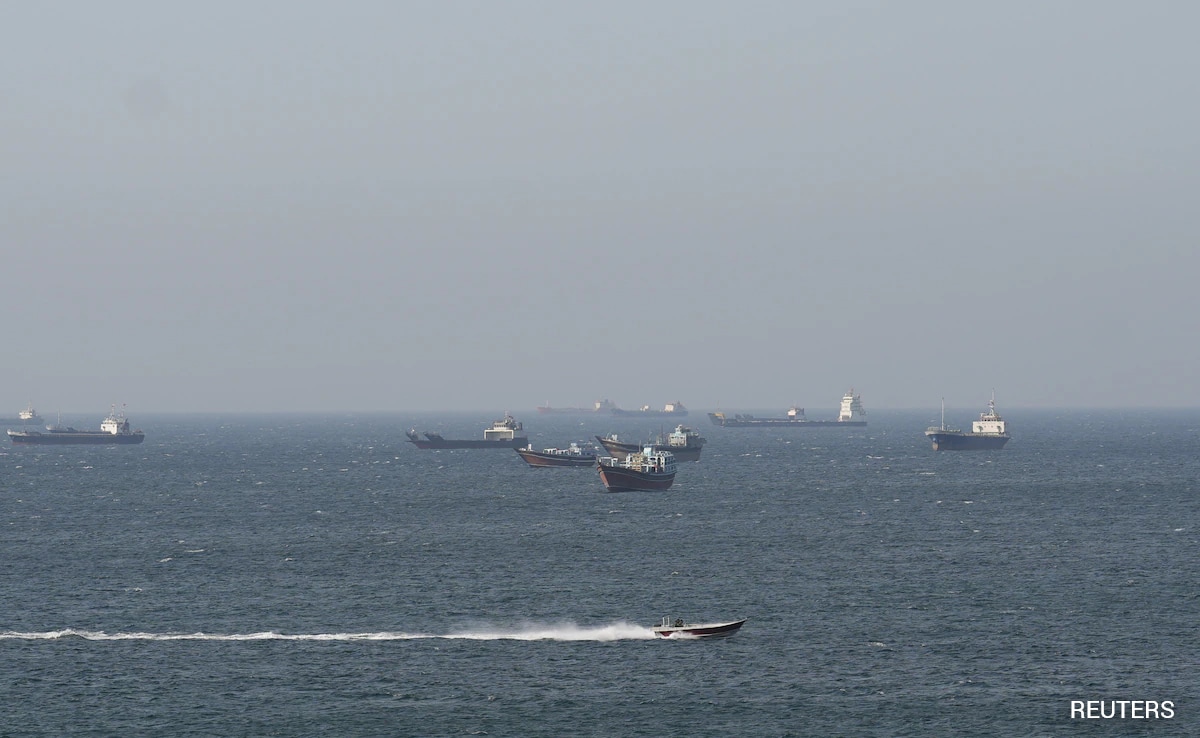
Iran just tightened its grip on the world's most important oil chokepoint. If you thought the Strait of Hormuz was already a headache for global shipping, things just got much more complicated. The Iranian Ports and Maritime Organization (PMO) recently rolled out a mandatory registration system that basically says if you don't have the right paperwork and digital "mail" credentials, you aren't getting through.
This isn't just about administrative busywork. It's a power move.
About a fifth of the world's total oil consumption passes through this narrow stretch of water every single day. By forcing every vessel to integrate into a centralized Iranian tracking system, Tehran is effectively claiming digital sovereignty over international waters. They're moving beyond physical patrols and into the world of data-driven maritime control.
The Reality of the No Mail No Passage Policy
For decades, the Strait of Hormuz operated under a delicate balance of international law and local posturing. Most ships followed the Traffic Separation Scheme (TSS) which sits partially within Iranian and Omani territorial waters. But this new "No Mail, No Passage" directive changes the entry requirements.
Every captain now has to deal with a new layer of bureaucracy that Iran claims is for "safety and environmental protection." We've seen this play before. When a nation wants to exert more control, they wrap it in the flag of safety regulations. The system requires ships to report cargo, destination, and crew manifests through a specific Iranian portal before they even hit the mouth of the Persian Gulf.
If you don't comply, you risk being intercepted by the Islamic Revolutionary Guard Corps Navy (IRGCN). They aren't known for their polite customer service. Ships that ignore these digital protocols now face the very real threat of being boarded or diverted for "technical inspections." It's a bottleneck created by code as much as by geography.
Why This Matters for Your Wallet
You might think a registration system in the Middle East won't affect your life. You'd be wrong. Maritime insurance is built on risk assessment. The moment Iran introduces a system that can legally justify stopping a tanker, insurance premiums for every vessel in the region spike.
Think about the math. A single VLCC (Very Large Crude Carrier) can hold two million barrels of oil. If that ship gets delayed by three days because of a paperwork dispute in the new Iranian system, the demurrage costs are staggering. We're talking hundreds of thousands of dollars in lost time and fuel.
These costs don't just vanish. They get tacked onto the price of a barrel, which eventually hits the pump at your local gas station. Iran knows this. They're using the "No Mail" system as a lever to remind the West that they can trigger a global inflationary spike without firing a single shot.
The Technical Trap of Digital Registration
The tech behind this is where it gets interesting. Iran is pushing for a localized version of the Automatic Identification System (AIS). While AIS is a global standard, the Iranian version requires specific data handshakes that aren't part of the standard international protocol.
It's a data trap. By forcing ships to use their proprietary system, Iran gathers a massive database of shipping patterns, buyer identities, and supply chain vulnerabilities. They're essentially building a real-time map of exactly how the world avoids sanctions.
I've talked to shipping consultants who are losing sleep over this. If a Greek-owned tanker carrying oil destined for an American ally has to register every detail with Tehran, that data becomes a weapon. It allows Iran to pick and choose who they want to harass based on the political climate of the week. It's not about safety. It's about surveillance.
Avoiding the IRGCN Red Zone
The IRGCN has spent years perfecting the art of "asymmetric" maritime pressure. They don't need a massive destroyer to stop a tanker. They use fast boats, drones, and now, this digital mandate.
If a ship's digital signature doesn't match the "mail" they sent ahead, it gives the IRGCN a legal pretext to intervene. They've already shown they're willing to seize tankers like the Stena Impero or the Advantage Sweet when it suits their geopolitical needs. This new system just gives them a much cleaner excuse to do it. "Your paperwork wasn't in the system" sounds a lot better to the international community than "we're taking this ship because we're angry about sanctions."
Most shipping companies are stuck between a rock and a hard place. You either comply with Iran's demands and hand over your data, or you risk a multi-million dollar asset being towed into Bandar Abbas. Most choose to comply.
Security Experts Are Worried and They Should Be
The US Fifth Fleet, based in Bahrain, has been watching this rollout closely. There's a massive difference between a country claiming they've got a new radio protocol and a country demanding full digital integration.
This move effectively pushes the boundaries of the United Nations Convention on the Law of the Sea (UNCLOS). While ships enjoy "transit passage" through international straits, that passage must be "continuous and expeditious." By adding a digital gatekeeper, Iran is testing how much they can slow things down before the international community pushes back.
The gray zone is getting darker. We aren't in a world where "freedom of navigation" is a guaranteed right anymore. It's something that has to be negotiated vessel by vessel, click by click.
How Shipping Companies Can Navigate This
If you're operating in these waters, you can't just ignore the new rules and hope for the best. That’s a recipe for a hostage crisis.
First, get your legal team to audit exactly what data is being requested. There’s a fine line between "standard manifest data" and "intelligence gathering." You need to know what you're signing away before you hit "submit" on that Iranian portal.
Second, don't rely solely on your standard AIS. Ensure your bridge crew is trained on the specific communication nuances Iran is now demanding. Miscommunication in the Strait of Hormuz is how wars start. You want your digital "mail" to be perfect.
Third, keep your flag state informed. If you're flying a Liberian or Marshall Islands flag, they need to know the moment you're pressured to provide data that violates international norms.
The Strait of Hormuz is no longer just a physical waterway. It's a contested digital space. Iran just claimed the captain's chair in the server room, and the rest of the world is still trying to figure out the password. Stop thinking of this as a minor regulatory update. Start treating it like the tactical shift it actually is.
Get your compliance officers on the phone with your regional security advisors. Check your encryption protocols for ship-to-shore data. Most importantly, ensure your captains have a clear protocol for when—not if—the Iranian PMO claims their "mail" hasn't arrived. The margin for error just hit zero.