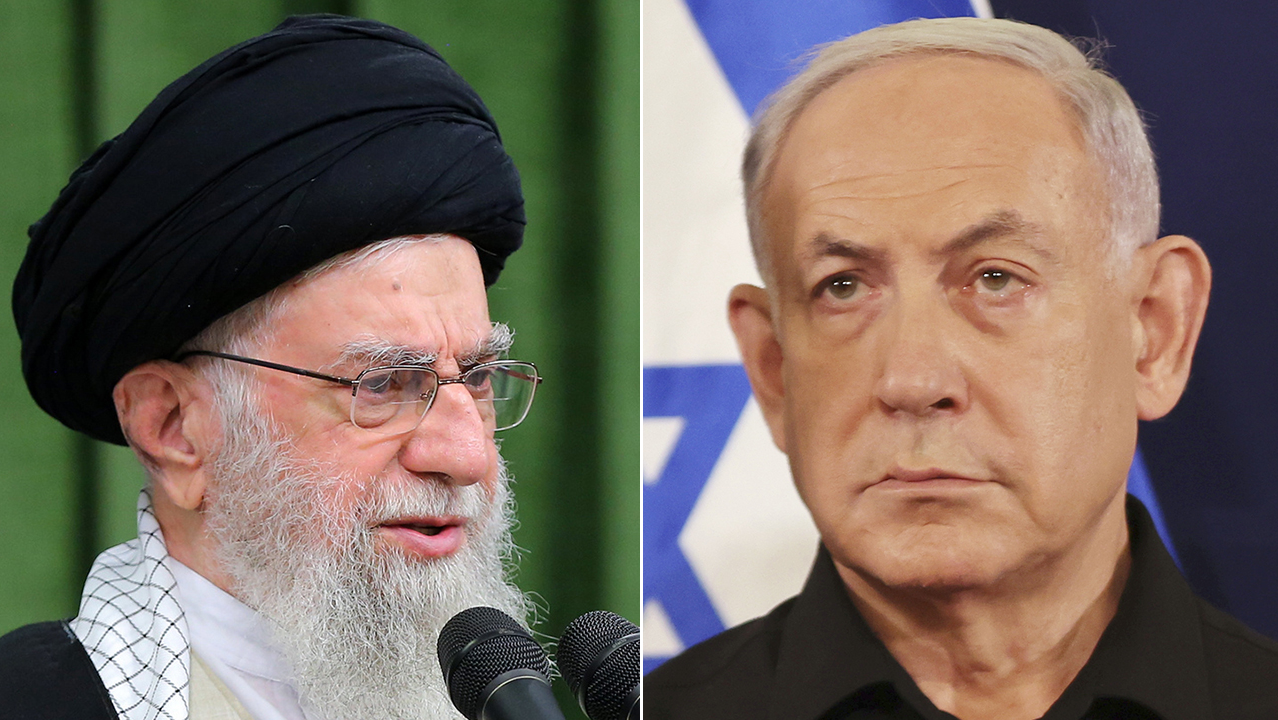
The ink isn't even dry on the two-week truce between the United States and Iran, and it's already screaming toward a total collapse. If you thought a 10-point peace plan mediated by Pakistan would actually bring "peace," you haven't been paying attention to the fine print. Iranian Foreign Minister Abbas Araghchi just drew a massive line in the sand, telling Washington it can't have its cake and eat it too.
Araghchi's latest ultimatum is blunt. He says the U.S. has to choose between a real ceasefire or a "continued war via Israel." To Tehran, those are the only two options on the table. You can't claim to be at peace with Iran while your closest ally spends Wednesday morning dropping bombs on 100 targets in Lebanon within a 10-minute window. It's a classic case of diplomatic cognitive dissonance, and Iran is calling the bluff. For another look, consider: this related article.
The Lebanon Loophole
The core of the problem is a massive disagreement over who is actually covered by this deal. Pakistani Prime Minister Shehbaz Sharif announced the ceasefire as a blanket agreement that included Lebanon. But as soon as the words left his mouth, the U.S. and Israel started singing a different tune.
Vice President JD Vance made it clear in Budapest that the U.S. never promised to include Lebanon in the truce. He basically told reporters that if the Iranians thought Lebanon was part of the package, they were dreaming. To the White House, the war with Iran and the "separate skirmish" with Hezbollah in Lebanon are two different files. Related coverage regarding this has been provided by TIME.
Here’s why that’s a fantasy:
- Hezbollah is Iran’s primary regional lever. You can't separate the head of the snake from the body and expect the snake to stay still.
- The Strait of Hormuz is the only card Iran has left. Araghchi has already signaled that Iran will close the waterway again if the Lebanon strikes continue.
- Netanyahu is under massive fire at home. Opposition leader Yair Lapid is calling this a "diplomatic disaster," so Netanyahu has every incentive to keep the pressure up in Lebanon to prove he hasn't surrendered.
A Fragile Truce Under Fire
The sheer speed of the escalation is staggering. Just hours after Donald Trump proclaimed a "big day for World Peace," the Israeli military launched its largest wave of strikes since early March. We're talking about residential and commercial areas in and around Beirut. The Lebanese government is reporting at least 182 dead.
Honestly, it’s hard to see how the "Islamabad Talks" scheduled for Friday even happen now. Iran isn't just complaining on social media; they're physically moving to shut down global oil transit again. When Araghchi says the ball is in the U.S. court, he’s not just using a tired metaphor. He’s pointing out that the U.S. provides the munitions and the diplomatic cover for the very strikes that Iran says violate the spirit of the deal.
The U.S. position is that Israel is "checking itself" to help negotiations, but 100 strikes in 10 minutes doesn't look like restraint to anyone in the Middle East. It looks like a loophole being exploited until the very last second.
What Iran Really Wants
Don't let the rhetoric fool you. Iran’s 10-point plan—which the White House first called "workable" and then "unserious"—isn't just about Lebanon. It’s a wishlist they’ve had for decades:
- Total withdrawal of U.S. combat forces from the region.
- Permanent lifting of all sanctions.
- Release of every cent of frozen Iranian assets.
- Guaranteed enrichment rights (the "Farsi version" of the deal that caused so much friction).
The Lebanon issue is just the most immediate fuse. By linking the ceasefire to Lebanon, Araghchi is trying to force the U.S. to restrain Israel. If the U.S. won't or can't do that, the "Two-Week Truce" might not even last two days.
The Reality on the Ground
While politicians in Washington and Tehran trade barbs, the situation on the ground is getting weirder. In Tehran, pro-government crowds are burning flags while simultaneously celebrating a "victory" over the West. In Tel Aviv, people are feeding birds in the street, trying to pretend the war is over while the Air Force is busier than ever.
The markets initially loved the news, with oil prices dipping back toward $90. But that's a temporary high. If the Strait of Hormuz stays closed because of the Beirut bombings, those prices will rocket back up faster than an Interceptor missile.
Moving Forward
If you're looking for a silver lining, there isn't much of one. The next 48 hours are everything. Watch the Strait of Hormuz. If tankers don't start moving with "Iranian military management" as Araghchi promised, the deal is dead.
Keep an eye on these specific indicators:
- The Islamabad Talks: If the U.S. delegation, led by JD Vance, actually shows up in Pakistan on Friday, there's a slim chance of a fix.
- The "Farsi vs English" Discrepancy: Look for whether the White House clarifies the uranium enrichment clauses. If they don't, the U.S. domestic backlash will kill the deal before Iran does.
- Hezbollah’s Silence: If Hezbollah remains "open to mediators" while being bombed, they are likely waiting for a direct order from Tehran to either go all-in or back off.
The U.S. is trying to run a two-track policy: peace with the patron (Iran) and war with the proxy (Hezbollah). Araghchi just told them the tracks have merged. You can't have one without the other.



