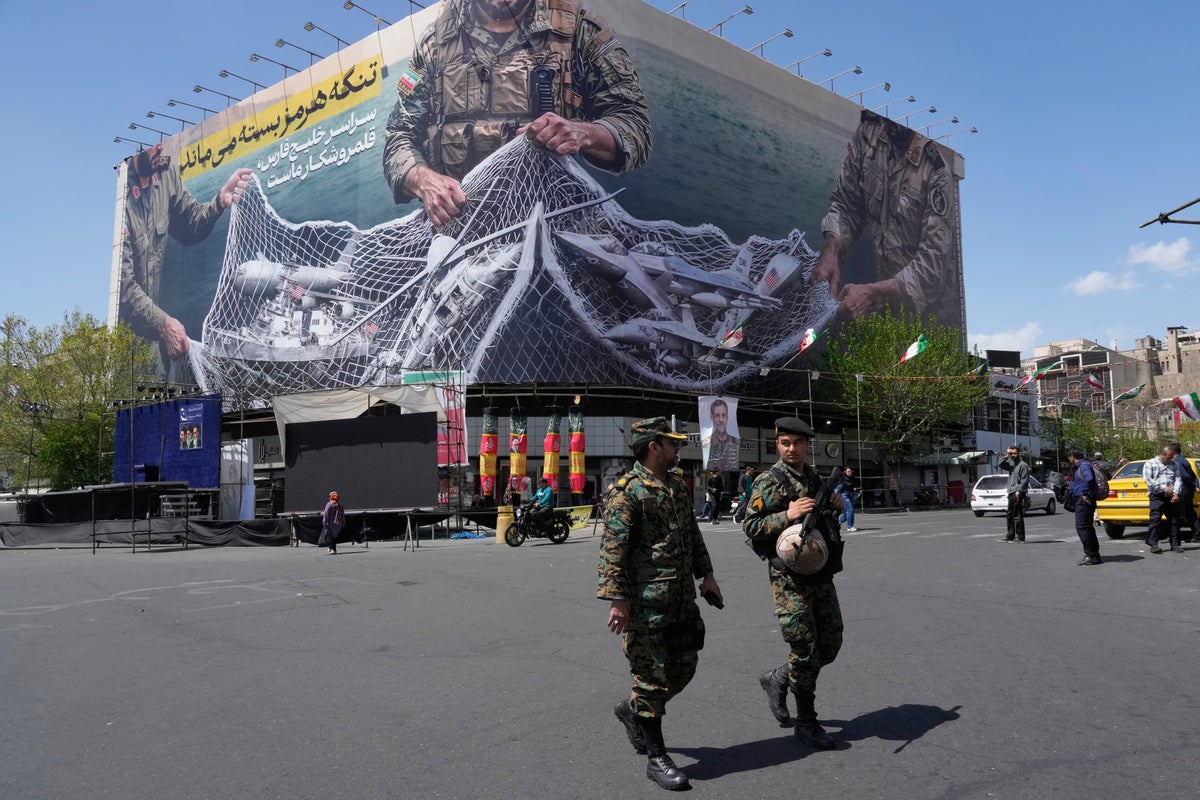
Iran is rattling the cage again. This time, the talk isn't about drones or nuclear enrichment, but a literal toll booth in the middle of the ocean. Recent proposals floating around the Iranian parliament suggest charging a fee for every merchant vessel passing through the Strait of Hormuz. It sounds like a simple way to rake in billions, but it's a massive middle finger to centuries of maritime law and the basic rules of global trade.
If you look at a map, you'll see why this matters. The Strait is a narrow chokepoint between Iran and Oman. It's only about 21 miles wide at its tightest spot. But through that tiny gap flows roughly 20 percent of the world's total oil consumption. We're talking 20 million barrels a day. When Iran suggests "toll collection," they aren't just asking for gas money. They're trying to rewrite the rules of the road for the entire planet.
This isn't just about money. It's a power move. But here's the thing—it's completely illegal under international standards.
The legal wall Iran keeps hitting
The UN Convention on the Law of the Sea, or UNCLOS, is the big book of rules for the ocean. It was finalized in 1982. It spells out exactly what countries can and can't do in their territorial waters. Under UNCLOS, the Strait of Hormuz is recognized as an international strait. This means ships have the right of transit passage.
Transit passage is a non-negotiable right. It means vessels—including commercial tankers and even warships—can move through the strait quickly and without interference as long as they don't threaten the coastal state. You can't charge them for the privilege. Imagine if someone tried to put a toll booth on a sidewalk in front of their house. You're walking on public property to get where you're going. The homeowner doesn't get a cut of your paycheck just because you walked past their rose bushes.
Iran signed UNCLOS, but they never actually ratified it. They like to argue that because they haven't fully joined the club, they don't have to follow the rules. But that's a weak argument. The concept of transit passage is part of customary international law. That’s a fancy way of saying these rules are so universally accepted that they apply to everyone, whether you signed a specific piece of paper or not.
Transit passage versus innocent passage
Iran often tries to play a semantic game. They claim the strait should be governed by "innocent passage" instead of "transit passage." It sounds like a small distinction. It's actually a huge deal.
Under innocent passage, a coastal state has much more control. They can suspend passage if they think their security is at risk. They can impose stricter regulations. Iran wants this because it would let them pick and choose who gets through. If they don't like a specific country's foreign policy, they could just shut the door.
Transit passage doesn't allow for that kind of gatekeeping. It’s a continuous, expeditious trek. When the US or the UK sends tankers through, they aren't asking for permission. They’re exercising a right. By trying to collect tolls, Iran is trying to force the world to admit that Tehran owns the water. They don't. Half of the navigable channel actually sits in Omani waters anyway. Is Iran going to share the loot with Muscat? Probably not.
What happens to your wallet if this goes through
Let’s get practical. If Iran actually started stopping tankers to demand payment, the global economy would have a heart attack. You’d see the impact at the pump within 48 hours.
- Insurance premiums would skyrocket. Shipping companies hate risk. If a strait becomes a "pay-to-play" zone with the threat of seizure for non-payment, insurance for those vessels will cost five times more. That cost gets passed directly to you.
- Supply chain chaos. We’ve seen what happens when the Suez Canal gets blocked for a week. Now imagine the Strait of Hormuz becoming a bureaucratic nightmare where every ship has to settle an invoice before moving.
- Oil price spikes. Even the rumor of a toll sends traders into a frenzy. Brent crude would jump. It wouldn't just be about the cost of the toll—it would be about the precedent.
Honestly, the proposal is more about "economic warfare" than actual revenue. Iran is under heavy sanctions. They're looking for any leverage they can find to hurt the West and fill their coffers. But the cost of enforcement would be astronomical. You can't just send a bill in the mail. You’d need to physically stop tankers with the IRGC navy. That’s a recipe for a shooting war.
The role of the US Navy and the IMO
The International Maritime Organization (IMO) is the UN agency that handles shipping safety and security. They’ve been very clear that freedom of navigation is the bedrock of the global economy. If Iran tries to tax the strait, they aren't just fighting the US; they’re fighting the IMO and every major trading nation, including China.
China is actually the biggest buyer of Iranian oil. They also rely on the strait for almost all their energy needs from the Middle East. If Iran starts messin' with the flow of traffic, they risk biting the hand that feeds them. Beijing wants stability. They don't want to pay a revolutionary tax every time a VLCC (Very Large Crude Carrier) heads toward Shanghai.
Then there's the military reality. The US Fifth Fleet is stationed right there in Bahrain. Their primary job is to keep those sea lanes open. The moment Iran tries to physically enforce a toll, it triggers a maritime security crisis. Most experts agree that the US and its allies would simply ignore the tolls and provide armed escorts for tankers.
Why the proposal keeps coming back
If it's illegal and impossible to enforce, why does Iran keep bringing it up? Because it's great for domestic optics. Hardliners in the Iranian parliament love to look like they're standing up to "imperialist" shipping interests. It’s a talking point. It keeps their base fired up.
They also use it as a bargaining chip. "Maybe we won't charge tolls if you lift some of these banking sanctions," they might say. It’s a classic move in their playbook. But the international community shouldn't budge. Giving in to a "Strait Tax" would set a terrifying precedent. If Iran can tax Hormuz, what stops Yemen from taxing the Bab el-Mandeb? What stops any country with a coastline from charging "rent" to the rest of the world?
International trade relies on the fact that the high seas belong to everyone. The moment we start allowing regional powers to treat global chokepoints like private driveways, the whole system collapses.
Keep an eye on the legal rhetoric
Watch how Iran phrases their next move. If they start talking about "environmental fees" or "security service charges," they’re trying to find a legal loophole for a toll. They’ll claim the money is for cleaning up oil spills or policing pirates. Don't buy it. It's the same tax with a different sticker on the box.
The world needs to stay firm on the 1982 UNCLOS standards. Any attempt to monetize the Strait of Hormuz is an act of aggression against global commerce. Shipping companies should continue to coordinate with maritime security patrols and refuse any "invoice" sent by Tehran.
The Strait of Hormuz is an international artery. It’s not an Iranian ATM. Keeping it that way is the only way to prevent a total meltdown of global energy markets. If you're following this, look for updates from the International Chamber of Shipping. They're the ones on the front lines of these disputes. They know that once you pay a pirate, you never stop paying.
Don't expect Iran to stop talking about this. Just expect the rest of the world to keep saying no. The law is clear, even if the politics are messy.