The coffee in the cockpit of a Lufthansa Airbus A350 is black, hot, and serves as the only constant in a world defined by shifting variables. Captain Klaus—a composite of the men and women who command these silver birds—watches the sunrise over the Atlantic. It is a view that never gets old, yet today, the beauty is shadowed by a ledger. Every inch the plane climbs, every knot of speed it maintains, is fueled by a liquid that is becoming as precious as the cargo it carries.
Lufthansa is currently staring at a hole in its pocket. Not a small tear, but a gaping, €1.7 billion wound.
This isn't just a corporate headache for accountants in Frankfurt. It is a story of how a global giant, and the millions of people it carries, are being held hostage by the volatile chemistry of the earth’s crust and the geopolitical tremors of a world in friction. When fuel prices spike, the ripples don't stop at the refinery. They flow through the wings, into the ticket prices, and eventually, into the very way we think about crossing an ocean.
The Math of the Clouds
To understand a €1.7 billion hit, you have to look past the zeros. You have to look at the burn.
A single long-haul flight can consume upwards of 100,000 liters of jet fuel. Imagine that volume. It is a lake of kerosene, refined to perfection, designed to explode at exactly the right micro-second to push three hundred souls through the stratosphere at 500 miles per hour. For years, the cost of this lake was a predictable line item. Boring. Reliable.
Then the world changed.
Supply chains groaned. Refineries, once humming like well-oiled clocks, began to stutter under the weight of global instability. The price of Brent crude didn't just rise; it danced with a frantic, unpredictable energy. For Lufthansa, which operates one of the largest and most complex fleets in the world, this volatility is a slow-motion collision.
The €1.7 billion figure represents the delta—the terrifying gap between what they expected to pay and what the pumps are actually demanding. To visualize the scale, consider that this sum could buy roughly five brand-new Boeing 787 Dreamliners. Instead, it is being burned. It is vanishing into the atmosphere as heat and thrust, leaving nothing behind but a deficit on a balance sheet.
The Hedging Gamble
Behind the mahogany doors of the finance department, there is a different kind of cockpit. This is where the "hedgers" live. Their job is to predict the future, or at least, to place enough bets to survive it.
Airlines use fuel hedging to lock in prices. It’s a form of insurance. If you think prices will go up, you buy your fuel today for delivery six months from now. If you're right, you look like a genius. If prices drop, you’re stuck paying more than the market rate, and you look like a fool.
Lufthansa has traditionally been one of the best at this game. They are conservative, German, and meticulous. But even the best armor has chinks. When the market moves with the violence we’ve seen recently, the hedges can only do so much. They act like a breakwater against a tsunami. They slow the wave, they take some of the force, but eventually, the water is going to get your feet wet.
The €1.7 billion hit suggests that the tsunami was higher than anyone’s wall.
The Human Toll of a Decimal Point
Consider Sarah. She is a hypothetical traveler, a freelance designer in Munich who has been saving for two years to visit her sister in San Francisco. She doesn't care about "crude oil futures" or "crack spreads." She cares about the "Total Cost" button on the checkout screen.
When an airline loses nearly two billion Euros to fuel costs, they have three choices. They can eat the loss and watch their stock price crater. They can cut service, flying fewer planes to fewer places. Or, they can pass the bill to Sarah.
The "fuel surcharge" is the ghost in the machine. It is the extra fifty, hundred, or two hundred dollars that appears at the end of a transaction. It is the reason the "budget" vacation suddenly feels like a luxury. This isn't corporate greed in its simplest form; it is corporate survival. An airline cannot operate at a loss indefinitely. If the fuel costs more than the seat, the plane stays on the tarmac.
But the stakes are higher than just a missed vacation. We live in a world built on the assumption of cheap, fast movement. Our electronics are flown in from Shenzhen; our fresh berries come from Chile; our business deals are sealed with handshakes in London. When the cost of flight surges, the world shrinks. We become more isolated. The "global village" starts to feel like a collection of walled gardens again, separated by prohibitively expensive blue expanses.
The Efficiency Obsession
In response to the bleeding, Lufthansa is forced into a state of hyper-efficiency. Every kilogram of weight is scrutinized. They are replacing older, "thirsty" aircraft with newer models that sip fuel with the daintiness of a Victorian aunt. The 747s, the beloved "Queens of the Skies" with their four thundering engines, are being ushered toward the desert graveyards. They are beautiful, but they are expensive, and in the current climate, beauty is a luxury the balance sheet cannot afford.
The pilots are told to fly slower. A few knots of airspeed can save thousands of kilograms of fuel over a ten-hour journey. They take more direct routes, haggling with air traffic control for every mile of shortcut. They taxi on one engine. They use ground power instead of the onboard auxiliary units.
It is a war of attrition fought in the margins. If you can save 1% here and 2% there, maybe you can turn that €1.7 billion hit into something manageable. Maybe.
The Green Dilemma
The irony of this crisis is that it sits uncomfortably alongside the industry’s push for sustainability. Lufthansa, like most major carriers, is under immense pressure to transition to Sustainable Aviation Fuel (SAF).
SAF is better for the planet, but it is significantly more expensive than the "dirty" stuff. When the price of regular jet fuel is already crippling the bottom line, the transition to even more expensive green alternatives feels like trying to run a marathon while your lungs are on fire.
The financial hit from rising oil prices drains the very capital needed to invest in the future. It’s a paradox. To save the environment, we need to move away from oil. To afford the move away from oil, we need the oil to be cheap enough that the airlines don't go bankrupt first.
Lufthansa finds itself caught in this middle ground. They are a legacy carrier with a massive infrastructure, trying to pivot in a hurricane. Every cent increase in the price of a gallon of fuel is a cent taken away from carbon capture research or the purchase of hydrogen-powered prototypes.
The Weight of the Air
Back in the cockpit, Captain Klaus adjusts the trim. The plane is lighter now than it was at takeoff, having burned through tons of its lifeblood to reach the middle of the ocean. He is acutely aware that he is presiding over a vanishing resource.
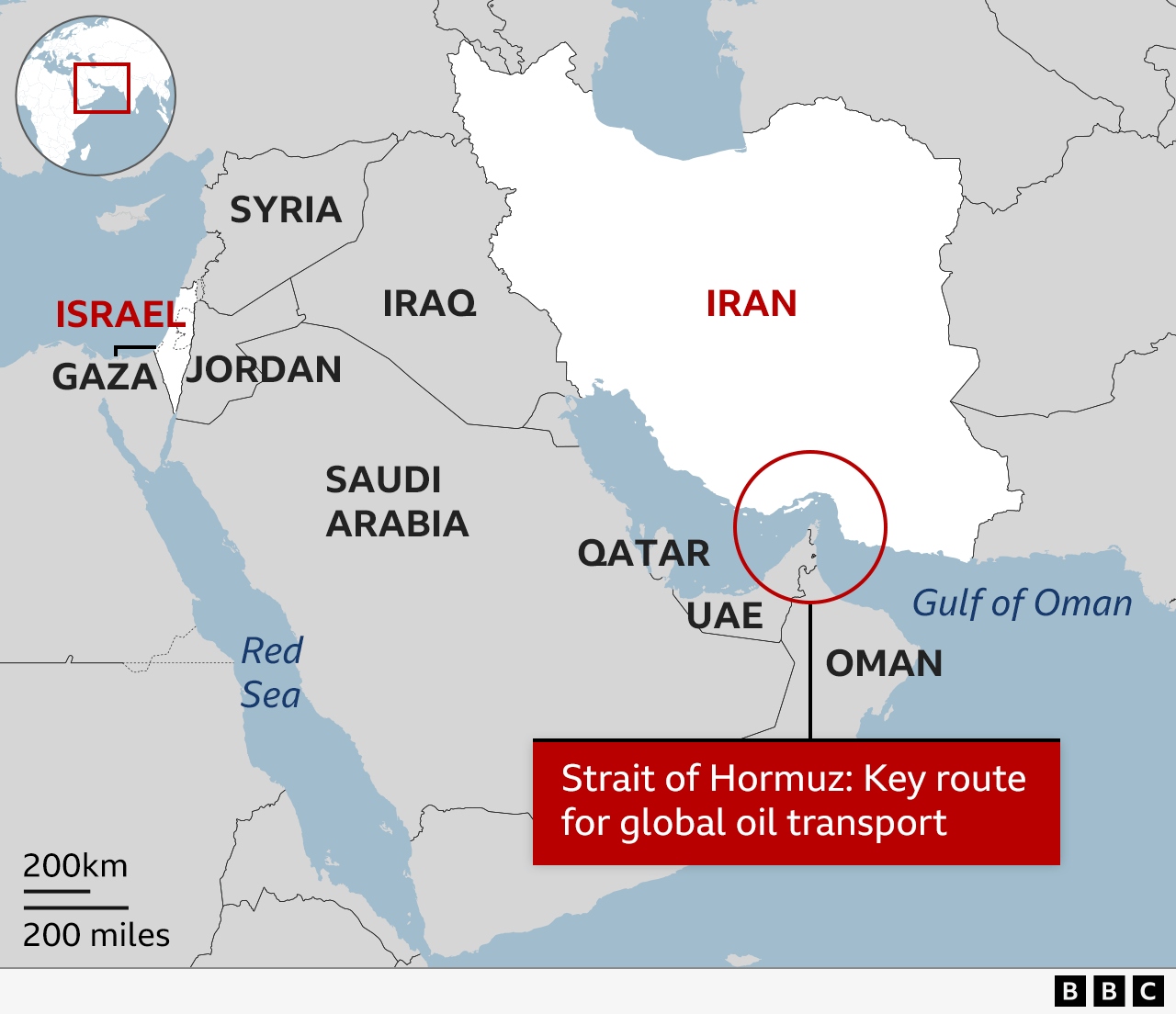
The €1.7 billion figure is a number on a screen for most of us. It is a headline we scroll past while looking for sports scores or celebrity gossip. But that number is a tether. It connects the war in Eastern Europe, the refineries in the Middle East, and the boardroom in Frankfurt to the quiet hum of the engines and the price of the ticket in your inbox.
We have taken the sky for granted for too long. We treated the ability to leap across continents as a fundamental right, as cheap and easy as a bus ride. But the atmosphere is heavy. It resists us. To pierce it requires an immense expenditure of energy, and that energy is currently priced at a premium that the world’s most famous airlines can barely afford.
The blue horizon isn't empty. It is filled with the invisible weight of economics, a staggering sum of money evaporating into the thin, cold air. As the sun climbs higher over the Atlantic, the gold on the clouds looks less like a gift and more like a reminder of the price we pay to stay aloft.
The wings are holding, the engines are turning, and the passengers are sleeping. But beneath the floorboards, the numbers are screaming.
Every time a Lufthansa jet touches down on the runway in Frankfurt, it is a triumph of engineering and a tragedy of accounting. The plane is home, but the cost of the journey is a debt that the entire industry—and everyone who relies on it—will be paying for a long, long time. The sky has never been more beautiful, or more expensive, than it is right now.