The tea grows cold on the oilcloth table. Outside the kitchen window, the dusty olive trees of Isfahan catch the harsh afternoon glare, their leaves turned slightly silver by the drought. Inside, Mohammad pushes a small ledger book across the surface. The ink is fading. The numbers, however, tell a story that needs no punctuation.
Two years ago, the spare parts for his textile looms cost a manageable sum. Today, the same cast-iron components require a financial gymnastics routine that leaves his small shop gasping for air. It is not just about the local currency losing its footing against the dollar. It is about the invisible architects sitting thousands of miles away, drawing lines on maps, writing decrees in glass-walled offices, and tightening a tourniquet that they will never have to feel.
We talk about geopolitics as if it were a board game played by men in tailored suits moving pieces across polished mahogany. We watch the ticker tapes flash. We hear the sharp, clipped phrases of evening newscasters talking about maximum pressure campaigns and diplomatic alignments. But pressure is not an abstract noun. Pressure has weight. Pressure smells like burning diesel fuel in a stranded shipping container. Pressure tastes like metallic tap water in a neighborhood where the water purification filters can no longer be imported.
Consider what happens when empires decide to coordinate their grip.
For years, a transatlantic rift defined the diplomatic weather between Washington and Brussels. When the United States walked away from the historic nuclear agreement with Tehran, European capitals wrung their hands. They promised defiance. They created special financial vehicles designed to bypass American secondary sanctions, whispering about strategic autonomy over morning croissants and espresso.
That defiance has quietly dissolved into the gray fog of political reality.
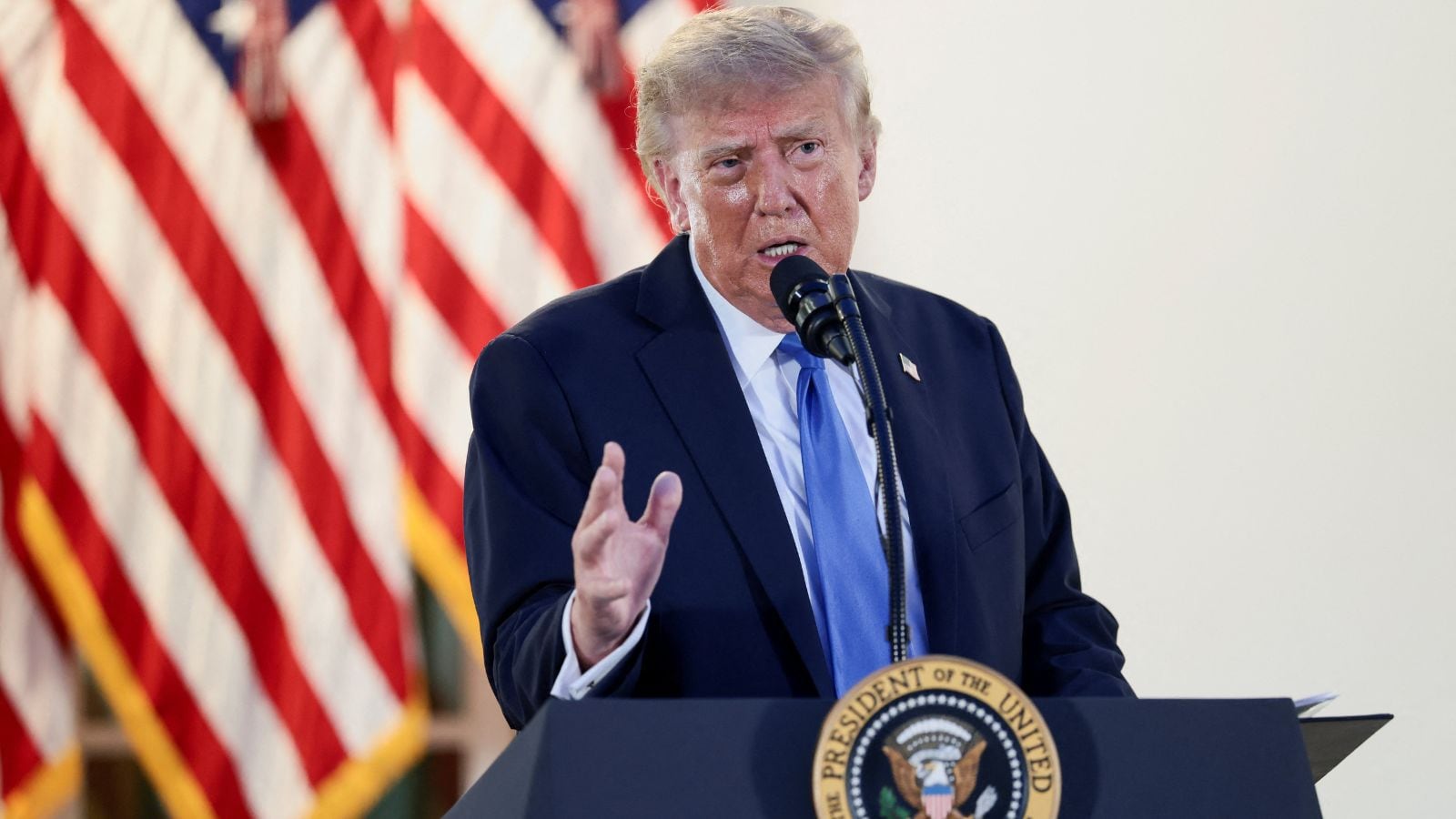
Recent diplomatic maneuvers reveal a starkly different alignment. The European Union, caught between its own economic vulnerabilities and the relentless gravity of Washington’s financial architecture, has drifted into a grim synchronization with Donald Trump's broader strategy of economic containment. Call it Operation Economic Outcast if you prefer the dramatic framing favored by cable news chyrons. On the ground, among the shipping manifests and cargo holds, it looks like a slow-motion blockade.
It is worth pausing to understand the machinery here. (Note: When I describe the financial plumbing of sanctions, I am speaking as an observer who has watched trade routes fracture in real-time over the past decade.) Modern sanctions do not require gunboats lining the horizon. They operate through the SWIFT banking network, through insurance registries located in London, through maritime law enforced by courts in Western capitals. If a European shipping conglomerate insures a vessel carrying petrochemicals originating from the Persian Gulf, and that insurance is voided by sudden regulatory shifts, the captain stays in port. The cargo rots.
The mechanics are cold. The human collateral is chaotic.
Walk through the Grand Bazaar of Tehran at dusk. The vaulted brick ceilings echo with the footfalls of men who have spent generations trading Persian carpets, dried pistachios, and saffron. Today, the conversation is rarely about craftsmanship. It is about logistics. How to route a payment through a third-party shell company in the United Arab Emirates. How to explain to a family member in Frankfurt that wire transfers are bouncing back like rubber balls against a brick wall. How to watch the price of basic medicine climb beyond the reach of a retired schoolteacher.
This is the part that standard policy briefs miss. They calculate gross domestic product contractions with clinical detachment. They speak of percentage points dropped, export volumes halved, inflation rates soaring toward triple digits. But behind every percentage point is a cancelled wedding because the dowry savings evaporated. Behind every export slump is a young engineer who codes through the night in a Tehran basement, realizing that the global cloud servers he relies on are suddenly locking him out due to his IP address.
We are told this is necessary. We are told that economic strangulation is the civilized alternative to kinetic warfare, a clean way to compel compliance without firing a single missile.
Ask Mohammad if it feels clean.
He looks at his looms, two of which sit dark and silent because the electronic control panels burned out and replacements cannot clear customs. He is not a revolutionary. He is not a hardline politician chanting slogans in a public square. He is a man who wants to pay his workers on Thursday, keep his aging mother supplied with her heart medication, and watch his daughter finish her university degree in architecture.
Yet, the grand strategy hatched in Washington and quietly acceded to in Brussels treats Mohammad as collateral damage. The rationale is simple: squeeze the economy hard enough, and the populace will rise up to change the regime from within. It is a neat mathematical formula beloved by think-tank strategists who have never missed a meal.
History suggests a different, more tragic trajectory.
When external pressures squeeze a society past the breaking point, people rarely pivot toward the architects of the blockade with gratitude. Instead, they turn inward. They cling to survival networks. The middle class—the natural bedrock of moderation and democratic aspiration—gets hollowed out first. When you are fighting daily just to secure cooking oil and authentic pharmaceutical drugs, you do not have the luxury of political dissent. You are too busy surviving.
The convergence of European and American strategy against Iran marks a consolidation of economic power unseen in modern history. By bringing European trade policy into alignment with aggressive American containment, the Western alliance has effectively closed the escape hatches. There is no alternative banking system large enough to absorb the shock. There are no friendly harbors left untouched by the fear of secondary penalties.
Back in the kitchen, the tea is stone cold now. Mohammad closes the ledger and turns off the single overhead bulb to save a fraction of electricity amid rolling power cuts. Outside, the night settles over Isfahan, quiet, heavy, and pregnant with an uncertainty that no diplomatic communique can capture.
The maps in the capitals are clean. The lines drawn across them are sharp and decisive. But the lives beneath those lines are fraying, thread by thread, in the dark.