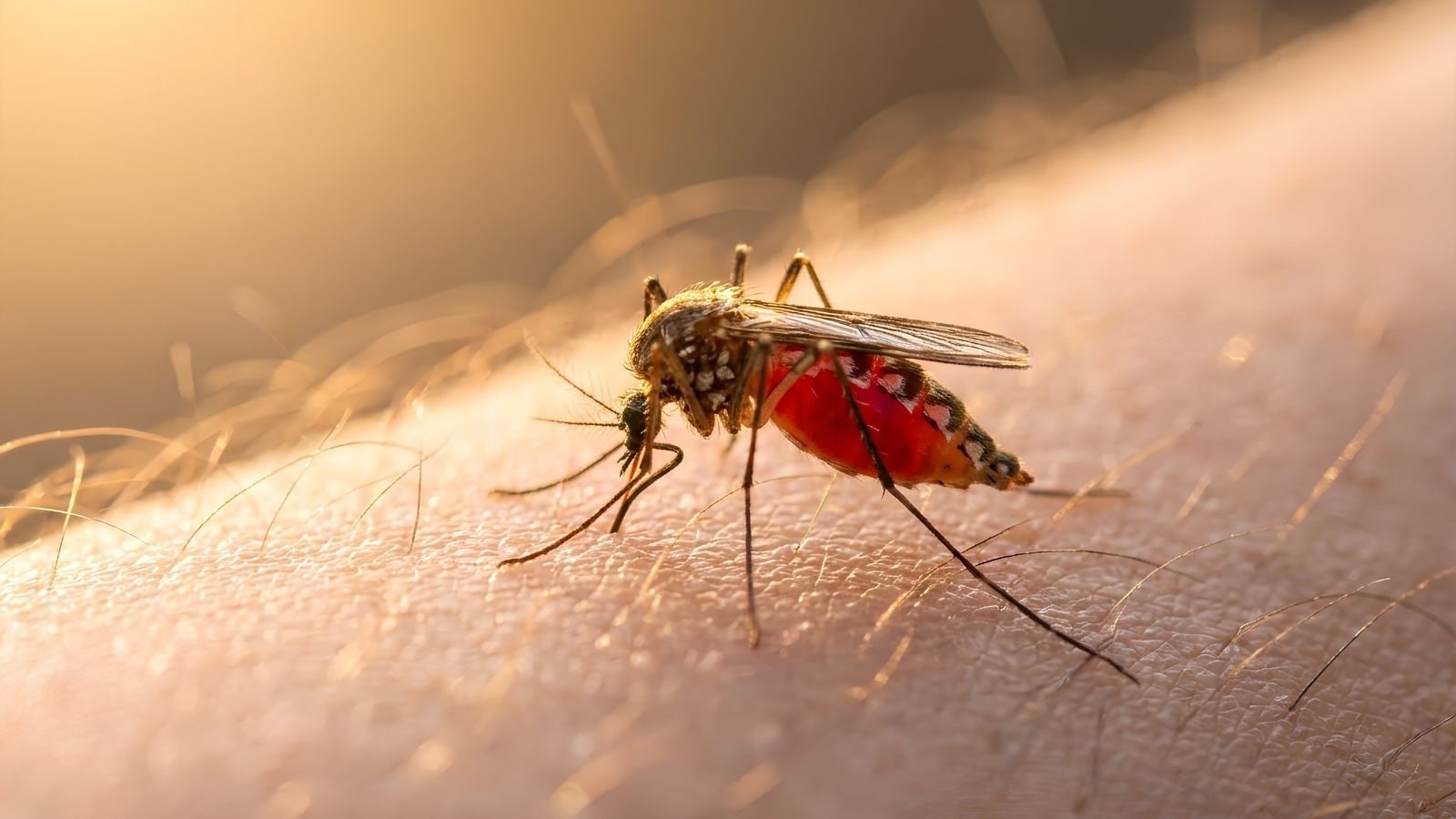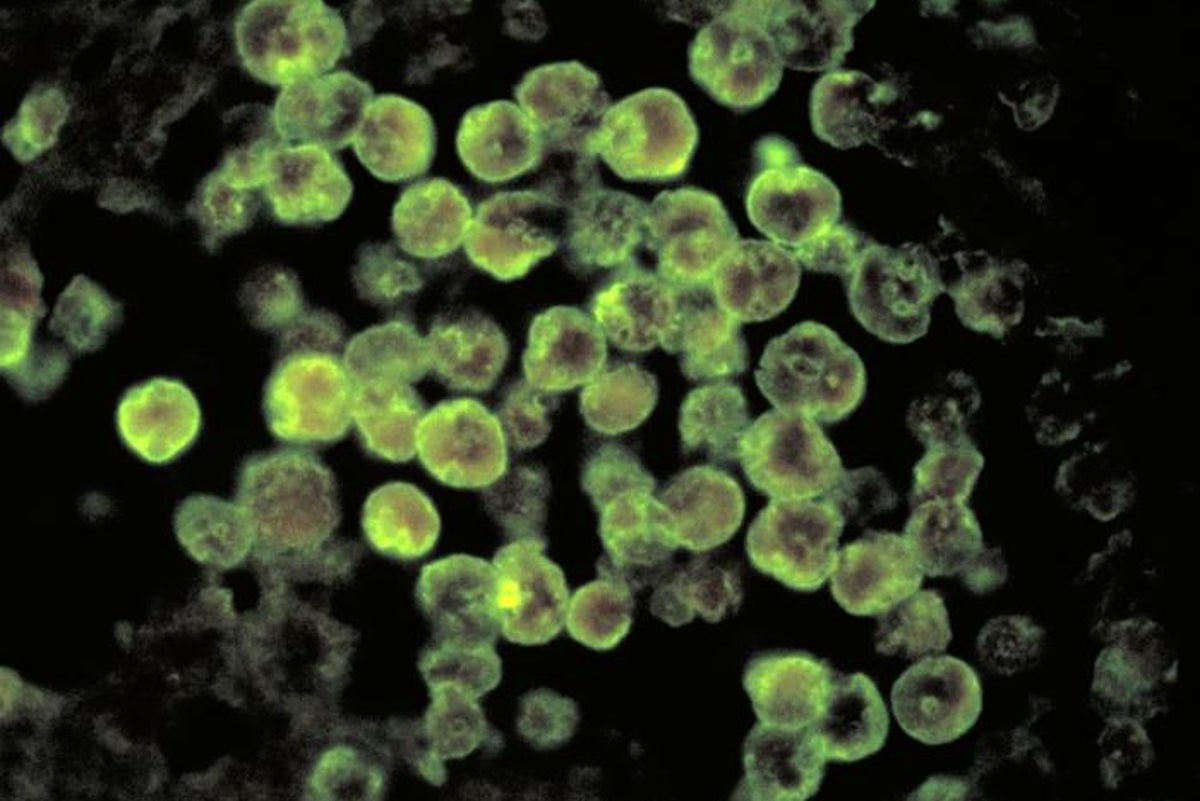
A central North Carolina teenager is fighting for life in critical condition after contracting primary amebic meningoencephalitis, a devastating infection triggered by the single-celled organism Naegleria fowleri. Commonly referred to as the brain-eating amoeba, this microscopic predator thrives in warm freshwater environments, turning a standard summer swim into a catastrophic medical emergency. State health officials confirmed the exposure details remain under investigation, yet the incident serves as a brutal reminder of an environmental pathogen that defies easy mitigation.
Most headlines treat these rare infections as isolated tragedies or freak accidents of nature. That framing is dangerously incomplete. Climate shifts, creeping water temperatures across southern and mid-Atlantic states, and changing recreational habits are altering how humans interact with aquatic ecosystems. Understanding the mechanics of Naegleria fowleri requires looking past the immediate panic of a single health bulletin and examining how environmental science, public messaging, and medical treatment protocols intersect. Meanwhile, you can read similar stories here: The Myth of the Hundred Dollar Moisturizer and Why Cheap Skincare is Winning.
The Pathobiology of a Silent Invader
Naegleria fowleri is a thermophilic, or heat-loving, organism. It flourishes in lakes, ponds, rivers, and thermal waters where temperatures exceed 80 degrees Fahrenheit, often scaling up rapidly during prolonged heatwaves. Sediment at the bottom of a shallow lake acts as its natural reservoir. When summer air temperatures push water bodies to their thermal limits, the amoeba population multiplies, waiting for a mechanical vector to bridge the gap between the water column and a human host.
Infection does not happen by swallowing water. Drinking contaminated fluid is entirely harmless because stomach acid destroys the organism. The vulnerability lies exclusively in the nasal passage. When an individual dives, jumps, or vigorously splashes in warm freshwater, water forced up the nose carries the amoeba directly to the cribriform plate—a porous bone structure separating the nasal cavity from the brain. To understand the bigger picture, check out the detailed report by Mayo Clinic.
From there, the organism exploits the olfactory nerve. It migrates upward along the nerve fibers directly into the frontal lobe, where it begins consuming neural tissue. The resulting disease, primary amebic meningoencephalitis, triggers severe inflammation, hemorrhage, and rapid tissue destruction.
The Diagnostic and Therapeutic Wall
Time is the ultimate enemy in any Naegleria fowleri case. Early symptoms mimic common viral illnesses or bacterial meningitis, featuring sudden frontal headaches, fever, nausea, and vomiting. Because these signs overlap with dozens of routine summer ailments, patients and primary care physicians rarely suspect an amoebic infection during the opening window.
By the time neurological symptoms manifest—such as a stiff neck, altered mental state, seizures, and eventual coma—the infection is usually advanced. Historical data from the Centers for Disease Control and Prevention paints a grim picture. Out of 167 documented U.S. cases between 1962 and 2024, only four individuals survived. That translates to a case fatality rate exceeding 97 percent.
Therapeutic options remain severely limited. Medical teams typically deploy a harsh cocktail of antifungal medications, antibiotics, and experimental agents like miltefosine, originally developed as an anti-leishmaniasis drug. Miltefosine has shown some capacity to disrupt cell membranes in laboratory settings, but it cannot reverse massive neural necrosis once the amoeba has established dominance. The barrier is not merely pharmacological; it is physical. By the time treatment begins, the immune system's inflammatory response to the dying amoebas often causes fatal brain swelling that outpaces the drugs.
The Climate Vector and Public Communication Failures
Public health agencies routinely respond to these incidents by issuing standardized safety advisories: use nose clips, keep heads above water, and avoid stirring up sediment in shallow, warm lakes. While technically sound, these warnings treat the symptom while ignoring the macro-environmental shift.
Long-term climate tracking indicates that freshwater bodies across North America are experiencing longer periods of elevated summer temperatures. Shallow reservoirs and man-made lakes reach critical thermal thresholds earlier in the season and maintain them well into autumn. As these thermal windows expand, the geographical range where Naegleria fowleri can successfully multiply creeps steadily northward. States that historically considered themselves immune to waterborne amoebic threats are finding their local ponds transforming into viable habitats.
Despite this environmental evolution, public communication remains archaic. Leaflets and digital alerts rely on fear rather than structural risk education. Swimmers are told the risk is statistically low—which is mathematically true on a per-capita basis—yet the framing fails to educate the public on how to evaluate specific water bodies. Municipalities rarely monitor recreational water for amoebic density because routine testing protocols do not exist for Naegleria fowleri the way they do for coliform bacteria.
Rethinking Freshwater Safety
Accepting the presence of Naegleria fowleri requires moving past the illusion that natural bodies of water are inherently safe just because they are open to the public. Chlorination and filtration manage municipal pools effectively, but natural lakes and rivers remain untamed ecosystems.
Preventative engineering at popular swimming spots is practically nonexistent, leaving personal barrier methods as the sole line of defense. Nose clips and tightly sealing swim goggles are effective, yet compliance among teenagers and recreational swimmers is close to zero. The social stigma of wearing protective gear in a casual lake setting outweighs the invisible, abstract threat of a pathogen that strikes a tiny fraction of a percent of water-goers.
Until diagnostic tools improve at the point of care—allowing physicians to test cerebrospinal fluid within minutes of symptom onset—survivability will remain tied to pure luck and early intervention. The North Carolina case is not an anomaly to be filed away under rare tragedies. It is a baseline indicator of how ecological shifts are rewriting the risks of outdoor recreation.