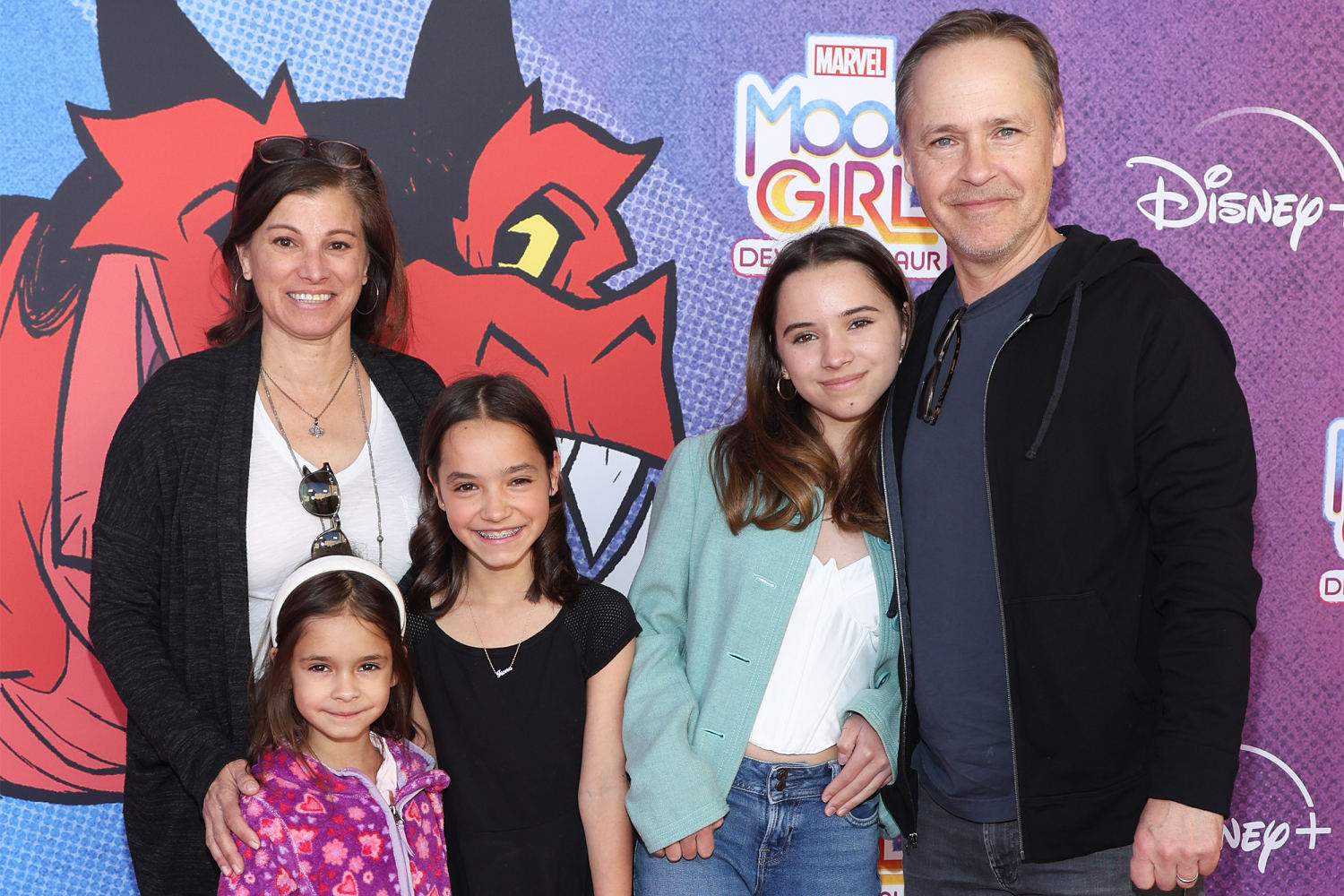
Fiona Lowe, the thirteen-year-old daughter of actor Chad Lowe and producer Kim Painter, died by suicide on September 29, 2026, plunging her family into profound grief and putting a devastating spotlight on the worsening youth mental health crisis. When public figures experience private heartbreak of this magnitude, the news cycles usually focus on the immediate shock, the celebrity lineage, and the expressions of condolence. But beneath the headlines lies an urgent, systemic reality that families across the globe are facing without a safety net.
Adolescent mental distress has reached a breaking point. The transition into early teen years brings a volatile mix of neurological development, social pressures, and digital saturation that many modern support structures are unequipped to handle. When Chad Lowe and Kim Painter shared their loss, they explicitly pointed toward the fragile nature of adolescent mental health and urged others to utilize crisis resources like the 988 Lifeline. Their willingness to confront the reality of suicide rather than shroud it in silence offers a stark reminder that fame and privilege provide no immunity against the psychological currents sweeping through generation alpha and younger teens.
The Anatomy of Early Adolescent Vulnerability
Thirteen is a perilous intersection. Children at this age occupy a strange purgatory between childhood dependence and the crushing demand for autonomous identity. Executive functioning centers in the prefrontal cortex are still years away from full maturation, meaning impulse control and long-term perspective taking are chemically compromised during moments of acute emotional distress.
Add modern communication technology into this biological mix, and the pressure cooker seals shut. Social comparison is no longer confined to school hallways; it is streamed continuously into handheld devices twenty-four hours a day. Clinical data consistently shows that adolescent girls, in particular, have experienced a sharp uptick in clinical depression and anxiety over the past decade. Yet, institutional responses remain sluggish. School counseling departments are underfunded, waiting lists for pediatric psychiatrists stretch for months, and parents are frequently left flying blind through behavioral crises they were never trained to manage.
When Grief Meets Public Scrutiny
For families in the public eye, mourning is doubly cruel. Every milestone becomes a public marker of absence. Recently, on what would have been Fiona’s fourteenth birthday, her family posted poignant public tributes, choosing remembrance over seclusion. Chad Lowe shared an image of his daughter mid-dance, a celebration of her creative spirit, while her older sister Mabel shared childhood photographs.
These public acknowledgments serve a dual purpose. They honor the memory of a child described by her parents as smart, creative, and deeply loved, while simultaneously stripping away the stigma that often isolates grieving families. Too often, society treats suicide as a taboo subject, locking survivors into a cycle of isolation and unspoken guilt. By speaking openly about the reality of their loss, the Lowe family forces a conversation that many would prefer to avoid.
Reforming the Support Systems We Rely On
Acknowledging the crisis is only the first step; overhauling how society treats youth mental health requires systemic change. Pediatricians are rarely equipped with the time or specialized training to screen deeply for acute psychological distress during standard annual physicals. Educational systems often view mental health through a disciplinary lens rather than a medical one, punishing behavioral symptoms instead of treating underlying causes.
Real reform demands treating mental healthcare with the same urgency as physical emergency care. Early intervention programs must be embedded directly into middle schools and junior highs, providing accessible, stigma-free counseling before minor struggles escalate into crises. Parents need actionable education on recognizing the subtle shifts in adolescent behavior—withdrawal, sudden changes in sleep patterns, or loss of interest in passions like dance, art, or sports—that often precede a tragedy.
The loss of Fiona Lowe is a searing reminder that behind every statistic is a family whose world has split in two. The truest tribute to those lost is confronting the structural failures that allow too many young people to slip through the cracks.