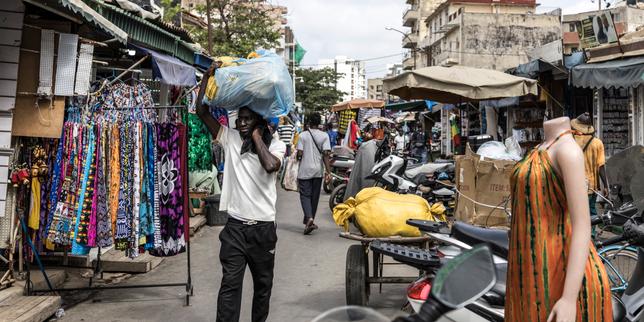
The dust on the sandy paths of Pikine settles slowly after another afternoon of tense verbal sparring outside a corner grocery. For generations, this suburb of Dakar, much like the rest of Senegal, prided itself on teranga—a deeply ingrained cultural ethos of hospitality, sharing, and peaceful coexistence. Today, that foundational fabric is fraying under the friction of economic desperation. Foreign merchants, particularly from Guinea and Niger, find themselves trapped in the crosshairs of a dangerous new political calculus.
The core driver behind this shift is not a sudden organic hatred among ordinary citizens, but the calculated exploitation of economic anxiety by populist political actors. When inflation spikes, fuel prices climb, and youth unemployment remains stubbornly high, the human mind searches for a convenient target. Figures such as nationalist politicians and prominent social media influencers have eagerly supplied one. By framing regional neighbors and undocumented migrants as the root cause of domestic shortfalls, these agitators have transformed complex structural failures into a simplistic battle over scarce resources.
The Mechanics of Scapegoating
Look closely at how these anti-migrant narratives gain momentum, and a predictable script emerges. It starts online with viral videos shot at night, targeting informal shelters or neighborhood store inventories. These recordings are purposefully framed to induce outrage. They rely on half-truths about supply shortages—such as empty shelves caused by holiday distribution bottlenecks—and attribute them instead to foreign hoarding or unfair competition.
In a marketplace where vendors struggle daily against fluctuating currencies and high overhead, turning a neighbor into an existential threat is an effective distraction. When a shopkeeper is accused of selling expired goods or undercutting local traders, the accusation bypasses rational economic analysis and appeals directly to economic fear.
The consequences spill quickly from digital platforms into physical spaces. Intimidation campaigns, sporadic boycotts, and open threats against foreign-run storefronts are no longer anomalies. Even locals who dare to speak out against this hostility face swift retaliation, including public smears and manufactured accusations regarding their own lineage.
Beyond the Political Theater
This rhetoric creates an administrative trap for the state. Senegal's porous borders and historically lax enforcement of regional free-movement protocols within West Africa have long permitted fluid cross-border trade and labor. Many migrants arrive intending to work within the informal economy without navigating the labyrinthine bureaucratic requirements for permanent residency, a system that is often opaque even to locals.
When nationalist figures demand immediate mass expulsions or nighttime sweeps of vulnerable populations, they exploit this regulatory gap. They present illegal status as a deliberate criminal act rather than a symptom of a dysfunctional administrative framework. Local law enforcement authorities often find themselves caught between public pressure to look decisive and the legal obligations of regional integration treaties.
The danger lies in the normalization of these tactics. Once a society accepts that its economic woes can be solved by evicting a specific demographic, the boundary for who counts as a "legitimate" citizen begins to shrink. Yesterday it was undocumented traders; tomorrow it can be anyone who disagrees with the prevailing political orthodoxy.
The Cost of Erosion
Erosion of social cohesion happens quietly until it breaks loudly. Veterans of regional diplomacy and civil society leaders have issued warnings, noting that mimicking toxic anti-migrant politics seen elsewhere on the continent threatens the entire stability of West Africa's democratic anchor. When brotherhood across borders is replaced by suspicion, regional trade agreements and security cooperation suffer immediate collateral damage.
Fixing this trajectory requires confronting the economic realities fueling the anger rather than appeasing the demagogues who exploit it. Transparency over price controls, targeted support for local youth employment, and clear, enforceable legal pathways for regional workers are vital counterweights. Without these structural corrections, the baseline of solidarity that defines West African societies will continue to erode, leaving behind a fragmented landscape where fear dictates daily life.