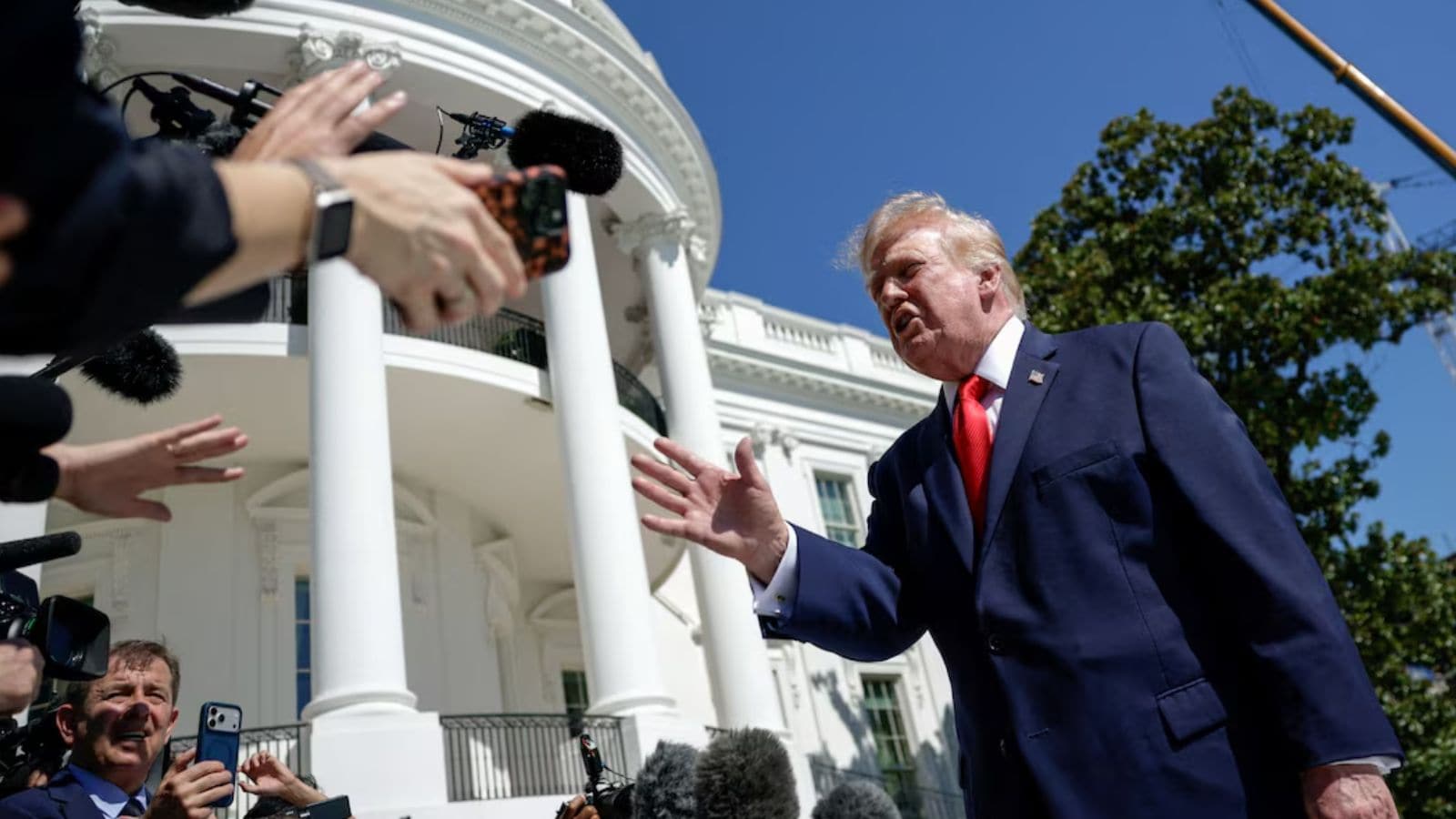
The relationship between the executive branch and the Fourth Estate has always been a tense negotiation of power. When the administration decided to strip permanent press credentials from CNN, MS NOW, and Politico, the move transcended ordinary political posturing. It marked a structural escalation in how modern political entities manage information flow. Legal teams representing these major news outlets quickly mobilized, urging federal courts to issue long-term injunctions preventing the White House from locking reporters out of the complex. At its core, this showdown is not just about badge access or seating charts in the James S. Brady Press Briefing Room; it is a fundamental test of whether constitutional protections can withstand targeted retaliation against critical reporting.
Constitutional scholars and media veterans understand that executive access has historically operated in a gray area. Government attorneys routinely argue that physical entry to the White House grounds is a privilege rather than an absolute right. Yet, legal precedent has consistently pushed back against viewpoint discrimination. When the state opens a public forum for news dissemination, it cannot selectively revoke access based on editorial hostility. By penalizing organizations whose coverage displeased the administration, the executive office crossed a line that previous generations of lawyers warned would invite severe judicial intervention. The ongoing legal briefs filed by the media coalition emphasize a dangerous slippery slope: if three prominent outlets can be banished without due process, any independent journalism organization critical of power can be silenced next.
The economic and operational fallout for the networks involved has been immediate and profound. White House pooling arrangements—where a select group of journalists shares reporting, footage, and audio with the wider media ecosystem—relied on a spirit of institutional cooperation. When key participants were barred from traveling on official presidential transport or entering briefing spaces, the entire infrastructure of daily reporting fractured. Rival networks faced difficult ethical dilemmas regarding solidarity and commercial competition. Opting out of pool coverage in protest carried heavy operational costs, yet continuing business as usual risked normalizing an unprecedented government veto over who gets to inform the public.
As federal judges weigh the long-term merits of the injunctions, the broader implications for American democracy remain severe. The White House press corps serves as an indispensable check on executive power, translating complex policy decisions and holding leaders accountable in real time. When physical intimidation replaces transparent dialogue, the public loses its right to unvarnished information. The outcome of this courtroom battle will establish a critical boundary for future administrations, determining whether the constitutional architecture of the First Amendment can endure an era defined by institutional hostility toward independent journalism.
Federal Judge Blocks Trump's White House ban on CNN, MS NOW, and Politico
This video provides an overview of the federal court's decision to block the administration's press ban and restore reporter access.