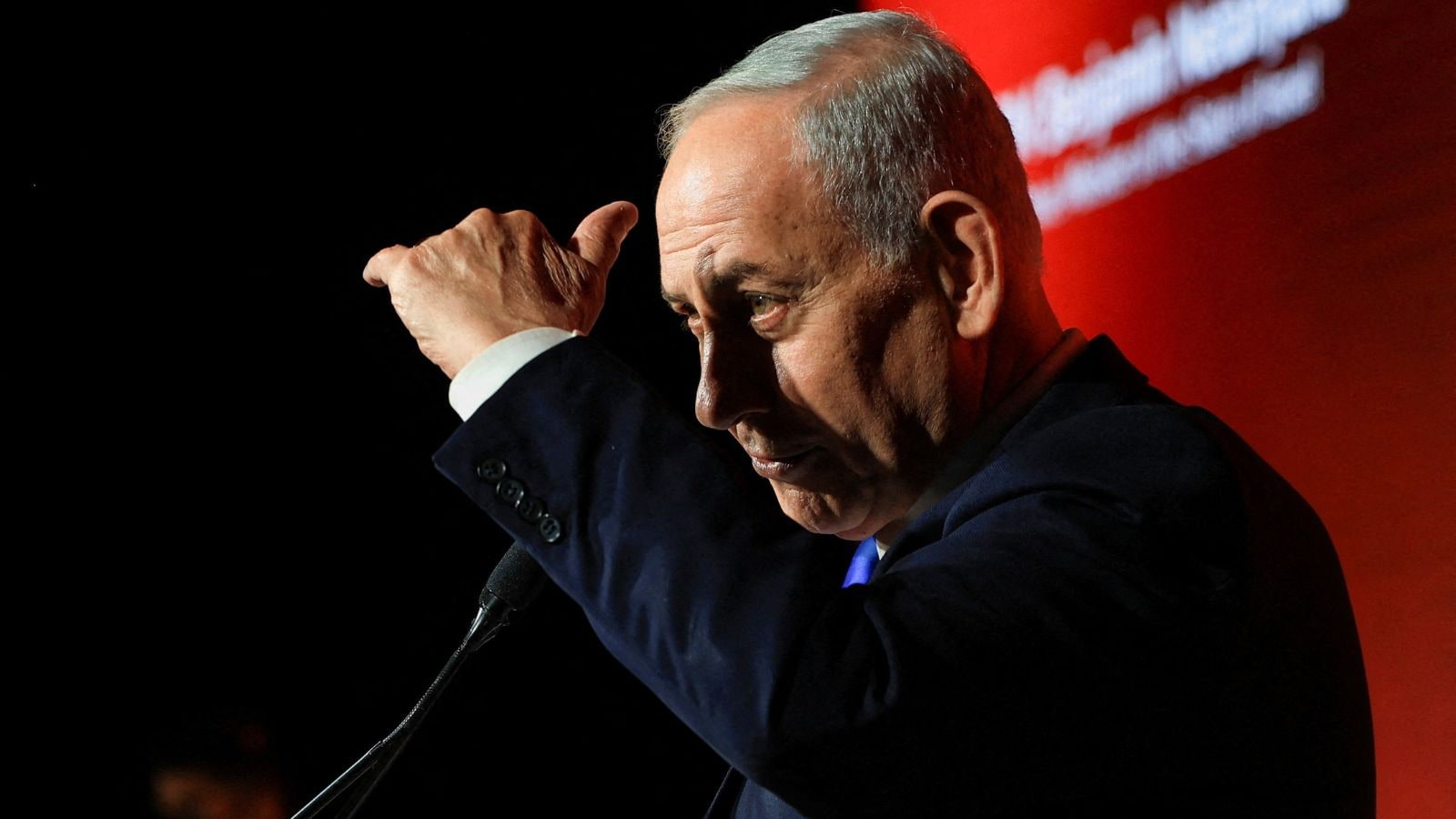
Israeli Prime Minister Benjamin Netanyahu has ordered the dismantling of unauthorized West Bank settler outposts, targeting roughly one hundred illegal construction sites that have proliferated across the territory. This directive arrives directly on the heels of intense diplomatic pressure from Washington, punctuated by stark public condemnation from United States Ambassador to Israel Mike Huckabee, who labeled violent settler factions as terrorists. Yet behind the bureaucratic notices of evacuation and the high-stakes diplomatic maneuvering lies an intricate web of domestic political survival, military strain, and a cycle of enforcement that security officials privately dismiss as theatrical.
Understanding this directive requires looking past the surface headlines to examine the mechanics of West Bank governance. Under Israeli law, outposts established without explicit government authorization are technically illegal. Despite this legal classification, many of these same sites enjoy informal utility, backdoor funding from various state apparatuses, and eventual pathways to retroactive legitimization. They typically consist of clustered prefabricated caravans housing small groups of ideologically driven activists, acting as geographic anchors designed to expand territorial control beyond officially sanctioned municipal borders.
The current order focuses heavily on approximately fifteen to twenty outposts improperly erected within Areas A and B, zones explicitly designated under the Oslo Accords to fall under the administrative and security control of the Palestinian Authority. While unauthorized building in Area C—where Israel maintains full military control—frequently languishes in administrative limbo, expansion into Areas A and B triggers immediate alarm in Western capitals. Washington views these specific encroachments as an existential threat to any future territorial compromise, pressing Netanyahu to take visible corrective action before the situation completely destabilizes the region.
Finance Minister Bezalel Smotrich publicly acknowledged the directives during a Jerusalem conference, highlighting the sharp ideological friction tearing at the ruling coalition. Smotrich and his allies champion the continuous expansion of Jewish presence throughout the West Bank, viewing settlement infrastructure as an irreversible Zionist imperative. For Netanyahu, however, the calculus is a delicate exercise in damage control. He must appease an American administration increasingly intolerant of unchecked nationalist aggression while simultaneously avoiding a full-scale mutiny among right-wing coalition partners whose parliamentary loyalty keeps his government afloat.
Military insiders offer a far more cynical assessment of the evacuation orders, describing a recurring loop of futility. Security personnel tasked with executing these clearances note that enforcement is rarely a permanent solution. An outpost is dismantled with fanfare and heavy military equipment, only for activists to return and rebuild the temporary structures within hours.
"We evacuate them and they come back in the morning," one senior security official remarked anonymously, pointing to the structural drain these operations place on an already overburdened Israel Defense Forces.
The timing of this enforcement push compounds the operational strain on the ground. The Israel Defense Forces are currently navigating a massive surge in intelligence warnings and thwarted attacks across the West Bank, driven by locally organized militant cells and rising societal desperation. Deploying elite battalions to clear caravans of ideological activists pulls critical resources away from counterterrorism operations. Security commanders warn that the upcoming Jewish High Holiday season will require additional troop deployments just to manage baseline security, making cyclical battles over unauthorized caravans a costly distraction for an army stretched thin across multiple fronts.
Human rights organizations and Palestinian advocates remain deeply skeptical of the government's true intentions, arguing that isolated enforcement against minor outposts functions as a smokescreen while state-sanctioned settlement expansion proceeds at record speeds. Data compiled by monitoring groups indicates that hundreds of authorized settlements and thousands of housing units continue to grow, insulating the core enterprise from international censure even as peripheral rogue camps face temporary bulldozer tracks.
The friction between Washington's demands and the realities of Israeli domestic politics leaves the state trapped in a perpetual loop of temporary fixes. Ambassador Huckabee's insistence that violent fringe actors face severe legal consequences has forced Netanyahu to demonstrate compliance, yet the foundational drivers of the settlement movement remain entirely intact. As security forces prepare for potential unrest ahead of the holidays, the clearance of a handful of unauthorized caravans does little to resolve the fundamental structural conflict defining the territory's future.