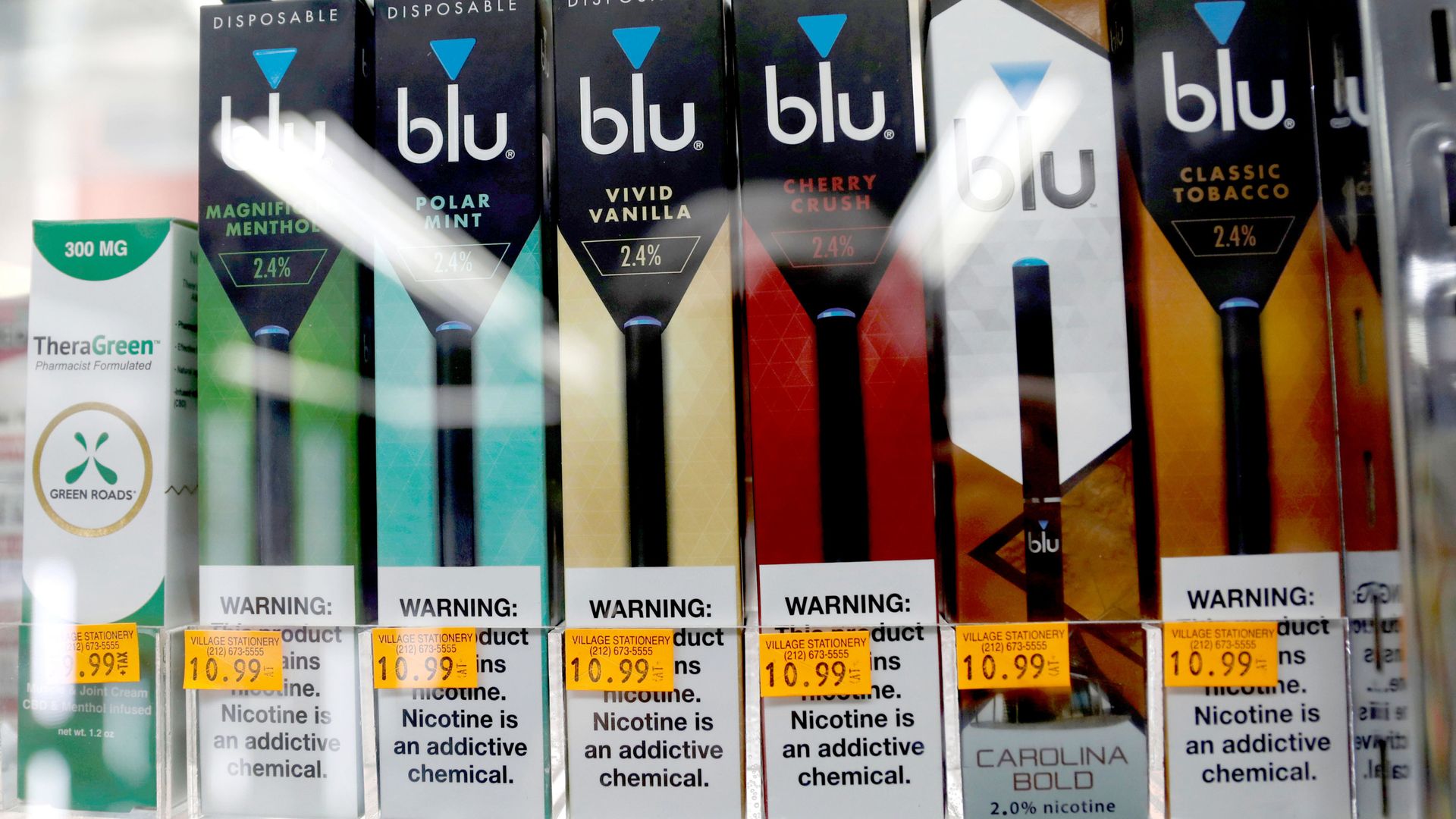
A major UK tobacco firm plans to cut a further 2,500 jobs as shrinking cigarette volumes, tightening regulation, and shifting consumer habits collide with an aggressive push into smoke-free products. Headlines treat the reduction like a routine cost-cutting measure. It is not. A cut of this size inside a legacy tobacco business signals a deeper structural retreat from the traditional cigarette model that built the industry's fortunes for generations.
I have watched global consumer goods companies restructure for decades, and few industries carry the sheer contradictions of tobacco. Public health policy wants the core product gone. Investors still expect steady cash generation. Meanwhile, executives try to convince Wall Street and London that a business built on burning leaf can reinvent itself as a consumer health or reduced-risk technology play without losing its margin engine.
When a UK tobacco firm announces another round of layoffs on top of earlier waves, workers and local communities feel the immediate shock. Yet the real story sits inside the economics of decline. Traditional combustible cigarettes carry fat margins and predictable repeat demand, right up until tax hikes, plain packaging, flavor bans, and illicit trade eat away at legal volume. Replacing those profits with newer categories takes heavy marketing, ongoing research, and years of regulatory wrangling.
The Math Behind Another Wave of Layoffs
Layoffs in legacy tobacco rarely happen in a vacuum. They usually arrive when revenue pressure in combustible products outpaces savings from earlier efficiency programs.
When cigarette sales fall year after year in mature markets, fixed costs start to look heavy. Factories built for high-volume rolling and packing run below optimal capacity. Sales teams that once visited corner shops, kiosks, and wholesalers daily face fewer outlets, tighter promotional rules, and smaller order sizes. Cutting headcount becomes the fastest lever management can pull to protect operating profit before earnings disappoint.
There is also a timing problem. Shifting toward heated tobacco, nicotine pouches, or vaping products requires capital upfront. Companies spend money on product development, clinical or scientific testing, compliance filings, and retail placement long before those lines match the cash flow of a mature cigarette brand. If new categories grow more slowly than hoped—or face sudden tax increases and flavor restrictions—management looks back at the legacy cost base and trims again.
Consider a hypothetical example to see how the squeeze works in practice. Suppose a mid-sized division sees combustible volume drop by seven percent in a year while price increases cover only part of the gap. At the same time, its newer nicotine line grows by fifteen percent, but starts from a much smaller base and carries higher promotional costs. Overall operating profit still comes under pressure. To hit its margin target, leadership eliminates roles in manufacturing support, regional sales, and back-office administration. To an outside reader, it looks like a single headline number. Inside the company, it is a ledger adjustment trying to keep cash flow steady while the foundation shifts.
Smoke-Free Promises Meet Hard Commercial Reality
For years, tobacco executives have framed their future around reduced-risk or smoke-free alternatives. The pitch is straightforward: move adult smokers away from cigarettes toward heated tobacco, oral nicotine, or vapor products, and build a durable second act.
In theory, that transition solves two problems at once. It gives boards a growth story when cigarette volumes slide, and it lets companies argue they are adapting to public health pressure rather than fighting it blindly.
In practice, the transition is messy and uneven. Different nicotine formats face wildly different rules across countries. A product welcomed or lightly taxed in one market can be restricted, heavily taxed, or partially banned in another. Even within the same country, public health authorities often draw sharp lines between different categories, leaving companies to navigate shifting standards while competitors fight for shelf space.
Margins tell another part of the story. While legacy cigarettes have long enjoyed strong pricing power in many markets, newer categories often require steep discounting, starter promotions, or device subsidies to win trial. Winning a customer once does not guarantee retention if switching costs are low or if rival brands undercut on price.
Nor does a pivot to smoke-free products automatically require the same workforce. Making, distributing, and marketing traditional cigarettes demands a large commercial and industrial footprint. Developing and scaling newer formats leans more heavily on specialized engineering, regulatory affairs, supply-chain agility, and targeted digital or retail execution. When a UK tobacco firm cuts another 2,500 jobs, it is often shedding roles tied to the old operating model faster than it creates roles in the new one.
Regulation, Taxation, and the Illicit Market Squeeze
No serious analysis of tobacco restructuring can ignore government policy. Taxation and regulation shape almost every commercial decision in the sector.
Higher excise duties are meant to reduce smoking rates by making cigarettes less affordable. Over time, that strategy has worked in many high-income markets, steadily shrinking legal volumes. Yet steep price gaps between legal and untaxed products create a side effect governments rarely like to admit: illicit trade thrives.
When legal packs become expensive, smuggled and counterfeit cigarettes look far more attractive to budget-conscious buyers. Legal manufacturers lose volume not just to quitting or switching, but to untaxed supply chains they do not control. Every lost legal carton weakens domestic manufacturing economics and puts extra pressure on remaining plants and distribution networks.
Regulation adds another layer of cost. Packaging mandates, display bans, advertising limits, and strict compliance checks raise the cost of doing business even as sales shrink. Smaller teams have to handle more complex rules across multiple jurisdictions.
Still, blaming regulation alone lets management off too easily. Tobacco companies have known for decades that smoking rates in Western markets were trending downward. Diversifying early, managing legacy costs gradually, and adapting to tighter rules were foreseeable challenges, not sudden bolts from the blue. Repeated rounds of deep job cuts often point to years of delayed adjustment catching up all at once.
What These Cuts Mean for Workers and Communities
Behind every corporate restructuring announcement are real people whose livelihoods depend on decisions made in boardrooms far from the shop floor.
When a UK tobacco firm trims another 2,500 roles, the impact rarely stays confined to headquarters. Manufacturing sites, logistics hubs, and regional offices often anchor local economies. Even if layoffs are spread across multiple countries rather than concentrated in one town, skilled workers in production, engineering, finance, and sales face a narrower pool of similar jobs.
Older workers and long-tenured staff can face especially tough adjustments. Roles built around decades of familiarity with a specific industrial process or trade channel do not always transfer cleanly to other sectors without retraining. Severance packages help cushion the immediate blow, yet they do not replace steady income or community stability.
There is also an internal toll on the employees who stay behind. Surviving a second or third round of layoffs breeds caution and fatigue. Teams stretched thin by earlier cuts are asked to absorb more work with fewer hands, often while adapting to new systems and shifting strategic priorities. Morale suffers when people feel they are constantly bracing for the next restructuring announcement.
The Investor Dilemma Behind the Headlines
Watching how markets react to tobacco layoffs reveals a sharp divide between short-term financial logic and long-term business durability.
Investors often reward decisive cost cutting, especially when a company faces shrinking legacy volumes and heavy capital needs elsewhere. Trimming headcount signals discipline. It tells shareholders that management is willing to protect margins and cash returns rather than let expenses drift upward against a falling top line.
Yet cost cutting has limits. You cannot shrink your way to long-term vitality forever. Once the easiest overhead is gone, deeper cuts risk thinning out commercial execution, slowing innovation, or weakening compliance and quality controls.
Tobacco companies also face a valuation tension. Many institutional investors avoid tobacco stocks due to environmental, social, and governance mandates, while income-focused investors hold them for dividends and cash generation. Management has to keep both groups in mind while funding transition efforts that may take years to pay off in full.
That balancing act explains why announcements of 2,500 more job cuts land with such force. They show a business still paying the price of its past while trying to buy time for its future.
Overlooked Forces Reshaping the Sector
Most coverage of tobacco layoffs focuses on falling cigarette sales and the push into alternatives. Two quieter forces deserve closer attention because they shape how these restructurings play out.
First, supply-chain complexity has grown even as volumes fall. Offering multiple nicotine formats across diverse regulatory regimes means managing different components, packaging rules, safety standards, and regional compliance requirements. Fewer traditional cigarettes do not always mean a simpler operation; sometimes they mean a more fragmented one with smaller production runs.
Second, shifting consumer habits go beyond simple substitution from cigarettes to vapes or pouches. Younger cohorts in many markets show lower baseline rates of regular smoking than earlier generations did at the same age. That means companies are not just competing for existing smokers; they are operating in a shrinking pool of tobacco consumers overall.
Gray areas remain everywhere in this transition. Public health experts debate the long-term risks and harm-reduction value of non-combustible nicotine products. Governments clash over how aggressively to tax or restrict them. Even industry executives disagree on how fast traditional cigarette profits will erode and how much of that lost ground newer categories can realistically recover.
When a UK tobacco firm moves to cut a further 2,500 jobs, the headline is only the opening line of a much harder story. Watch where the cuts land, how fast newer categories actually scale, and whether cost savings buy real renewal or merely delay a reckoning the industry has seen coming for years.