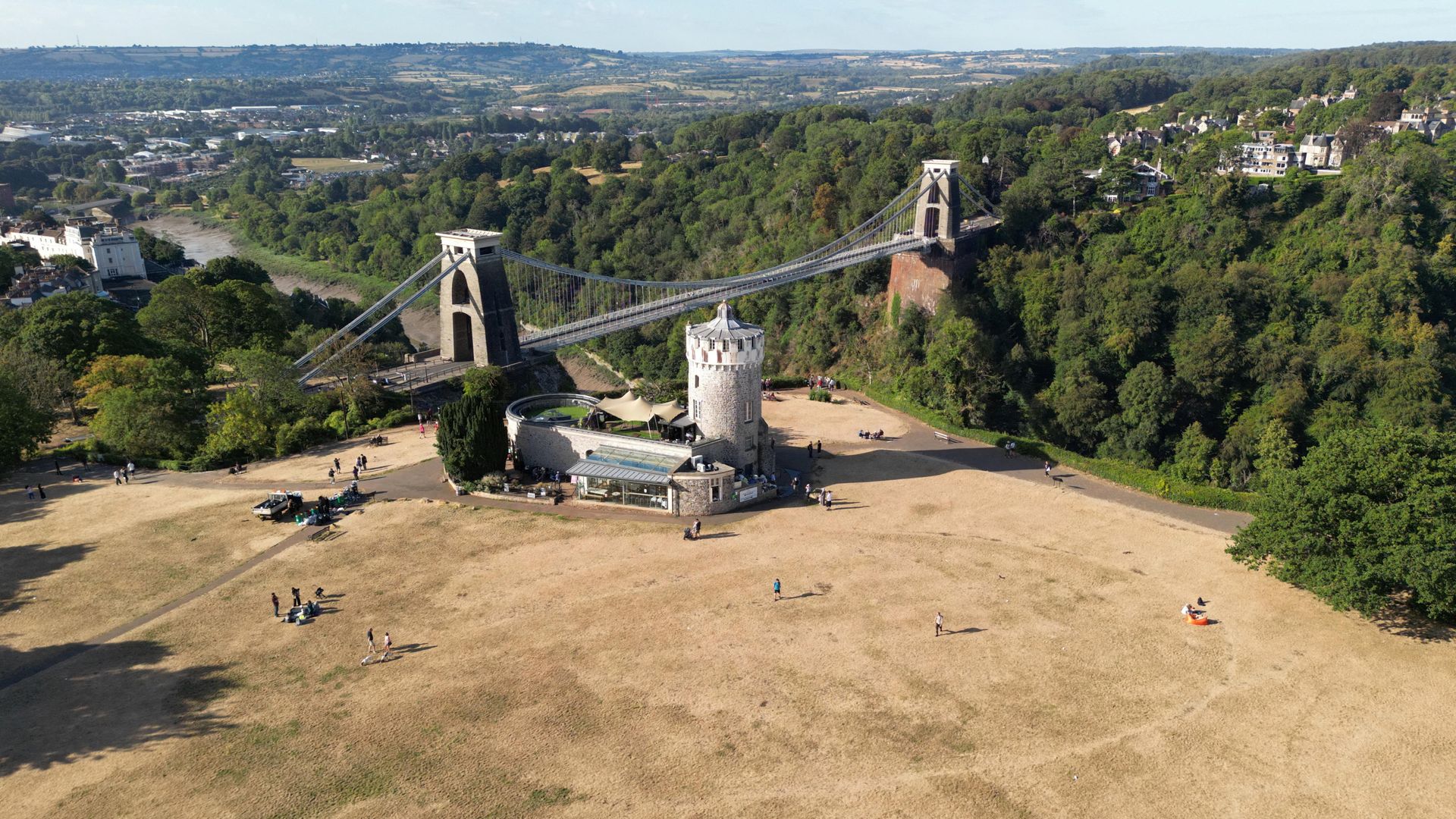
When the UK Health Security Agency and the Met Office roll out amber heat health alerts across nearly every region of England, the official messaging always centers on individual caution. Drink water. Stay out of the sun between peak hours. Check on elderly neighbors. These standard directives serve a purpose, but they also obscure a harder structural reality. The real crisis is not merely that hot weather arrives in the UK. The crisis is that a modern European nation remains fundamentally unengineered for the thermal realities of the twenty-first century.
An amber alert under the current impact-based framework means health services face widespread strain, and the risks extend far beyond vulnerable groups to threaten the wider population. Temperatures climbing into the mid-thirties test concrete, steel, tarmac, and social architecture built for a maritime climate that no longer exists in predictable form. For decades, British infrastructure treated high heat as an anomalous statistical outlier rather than a baseline operational condition. Don't miss our previous post on this related article.
The Thermodynamic Failure of British Buildings
The most acute danger during an amber heat event occurs indoors, not outside. Traditional British housing stock was designed to trap heat, featuring thick masonry walls, small windows, and insulation tailored to survive damp, freezing winters. When prolonged high temperatures strike, this architecture acts as a thermal trap. Homes absorb heat during the day and fail to dissipate it at night, especially when overnight lows remain stuck above twenty degrees Celsius.
Office buildings fare little better. Sealed glass-fronted commercial blocks rely heavily on mechanical ventilation and air conditioning systems that frequently operate near their failure thresholds during extended heatwaves. When these systems break down under peak load conditions, workers occupy sealed glass boxes that rapidly transform into greenhouses. To read more about the context here, Mayo Clinic offers an informative breakdown.
Retrofitting this massive, aging national building stock for climate resilience requires capital investment on an unprecedented scale. Double-glazed windows, exterior shading, natural ventilation corridors, and reflective roofing materials are standard practices in regions accustomed to high heat. In England, they remain luxury upgrades or voluntary retrofit projects constrained by strict planning laws and high costs.
Strain on the Health Service Ecosystem
The National Health Service absorbs the immediate human cost of this thermal vulnerability. When amber alerts activate, emergency departments note a sharp rise in presentations related to cardiovascular strain, respiratory distress exacerbated by stagnant air, and acute dehydration.
The physiological mechanics are straightforward. To cool the body, the cardiovascular system must pump large volumes of blood to the skin, forcing the heart to work significantly harder. For individuals with pre-existing heart conditions, this extra strain triggers acute medical emergencies. Simultaneously, vulnerable populations, particularly older adults living alone, struggle to regulate core body temperature.
Hospitals themselves frequently lack adequate climate control. Many legacy NHS facilities rely on open windows and portable fans rather than integrated climate systems, creating dangerous indoor environments for recovering patients. Staff operate under extreme physical and psychological pressure, managing rising patient admissions while working in stifling wards.
The Transportation Grid Under Thermal Stress
Beyond hospitals and homes, public infrastructure buckles under the expansion of materials caused by extreme heat. Steel railway tracks exposed to direct solar radiation can reach temperatures significantly higher than the ambient air. When steel expands past precise engineering tolerances, rails buckle, forcing widespread speed restrictions or complete line closures to prevent derailments.
Urban asphalt tells a similar story. Road surfaces soften under prolonged UV exposure and heavy vehicular friction, leading to surface rutting and structural degradation. Local authorities face mounting repair backlogs as annual maintenance budgets are consumed by emergency patching during peak summer months.
Public transit networks, particularly underground systems like the London Underground, trap residual heat generated by decades of heavy braking and machinery use. Without deep-bore ventilation shafts designed for modern thermal loads, deep-level tube lines register temperatures that routine commuters recognize as hazardous, yet structural solutions remain decades away due to the immense complexity of tunneling modifications.
Confronting the Permanent New Normal
Treating these heat events as temporary disruptions misdiagnoses the trajectory of European climate patterns. The transition to impact-based weather warnings represents an administrative acknowledgement that the status quo is untenable. Yet bureaucratic adjustments to alert levels do not substitute for civil engineering overhauls.
Until building codes mandate passive cooling, urban planning integrates comprehensive green cover to combat the urban heat island effect, and critical healthcare infrastructure undergoes systematic climate-proofing, summer heat alerts will remain recurring crises rather than manageable seasonal shifts. The fundamental question facing the country is not whether the next heatwave will arrive, but how long institutional inertia will delay the necessary reconstruction of the built environment.