The brief text message pinging millions of phones across Dubai and Abu Dhabi stripped away months of fragile composure in a single second. When the United Arab Emirates Ministry of Interior urged residents to seek immediate shelter in the closest secure building, the illusion that the Gulf federation had successfully insulated itself from regional fire was instantly punctured. Two ballistic missiles, launched from Iranian territory, were inbound. One crashed into territorial waters, while another landed just outside.
The sirens and alerts shattered a fragile breathing room that had existed since an interim diplomatic understanding went into effect. That memorandum of understanding, brokered between Washington and Tehran, expired precisely forty-eight hours before the launch. The subsequent escalation was not a random accident of war. It was the predictable unraveling of a diplomatic band-aid applied over a gaping structural wound in regional security.
The Anatomy of a Broken Truce
To understand why millions of civilians were suddenly told to stay away from glass windows and open areas, one must examine the fragility of the agreement that preceded it. When the broader Middle Eastern conflict erupted earlier in the year, the UAE bore the physical brunt of initial strikes. Emirati air defense networks intercepted waves of incoming ordnance, setting a grim regional record for aerial bombardment volume.
The temporary diplomatic arrangement brought a deceptive quiet. While other Gulf nodes continued to absorb sporadic kinetic hits, the Emirati coastline reported relative calm. Analysts breathed a cautious sigh of relief, pointing to Abu Dhabi’s delicate balancing act of maintaining security partnerships with the West while keeping open channels with regional adversaries.
That architecture was built on sand. The expiration of the diplomatic framework triggered an immediate reversion to offensive postures. Tehran made no secret of its intentions, signaling a shift toward more aggressive military positioning the moment the ink dried on the expired pact. The ballistic trajectory of the recent launch demonstrates that deterrence is only as durable as the political will sustaining it.
Economic Exposure Beneath the Skyline
The modern economic miracle of the Emirates was engineered on the premise of absolute predictability. Global trade, high-end tourism, and capital preservation require a bedrock of physical security that corporate boardrooms take for granted until the air raid sirens sound.
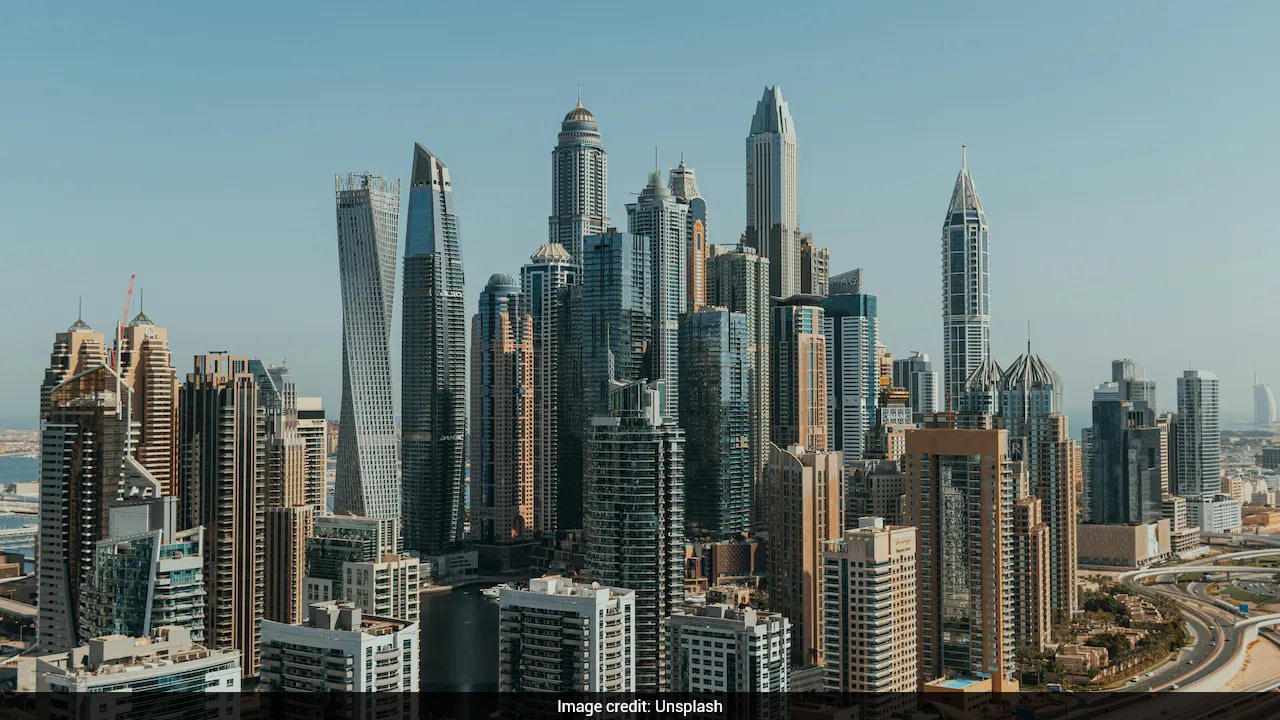
When emergency alerts flash across the Burj Khalifa district, the economic calculus shifts instantaneously. Shipping corridors through the vital Strait of Hormuz have faced persistent friction, with state-owned petroleum tankers repeatedly targeted in recent weeks. The proximity of ballistic impacts to sovereign waters serves as an aggressive reminder that maritime commerce and urban safety are inextricably linked.
Insurance premiums for commercial shipping in the Gulf are climbing past historic thresholds. Every time a missile breaches sovereign maritime boundaries, underwriters recalculate the cost of doing business in the region. Capital flight is rarely sudden; it is a slow bleed driven by the quiet realization that geographic diversification does not mean immunity from ballistic range.
The Limits of Iron Domes and Early Warning
Modern air defense is an engineering marvel, yet it remains fundamentally reactive. Patriot batteries, localized interceptor grids, and national early warning systems provide a vital shield, but they cannot eliminate the psychological and operational toll of repeated alerts.
Earlier administrative hiccups, including false alarms triggered by technical glitches in the early warning architecture, had already tested public patience. When a genuine threat materializes right after a false alarm, public response behavior fractures. Fatigue sets in. Civilians begin to question whether to shelter or dismiss the notification as another system error.
This phenomenon presents a distinct challenge for civil defense authorities. Operational security demands immediate compliance with shelter-in-place directives, yet repeated false and true alarms erode public trust. The Ministry of Defense managed to lift the recent alert quickly after the intercepted threats neutralized the immediate danger, issuing an all-clear notice for normal activities to resume. Yet, the psychological imprint remains.
Navigating the Next Phase of Regional Friction
The strategic reality facing Abu Dhabi is deeply uncomfortable. Total diplomatic isolation from the wider confrontation is impossible when the country sits squarely within range of intermediate ballistic systems.
Diplomatic channels between Washington and Tehran currently sit at a complete standstill, with leadership on both sides trading warnings rather than proposals. Without a renewal of high-level talks or a structural replacement for the expired memorandum, the UAE's frontline exposure will persist as a baseline condition rather than an acute anomaly.
The authorities in Abu Dhabi have demonstrated exceptional technical competence in intercepting incoming payloads and managing public communications. However, defensive architecture alone cannot manufacture long-term stability. Until a durable regional framework replaces temporary truces, the quiet beneath the skyscrapers will remain perpetually contingent on the next launch button pressed miles across the water.
.jpg?itok=SRbAAThA)