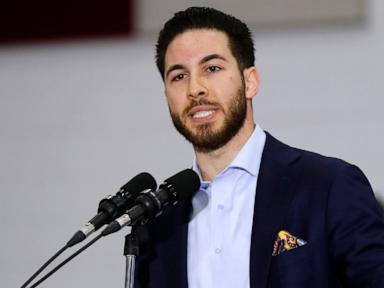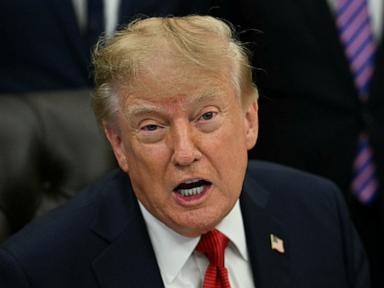
Geopolitics rarely moves in a straight line. When United States President Donald Trump sat down with Venezuelan Acting President Delcy Rodríguez on the sidelines of the United Nations General Assembly, it marked a dizzying reversal in modern foreign policy. Just months after American forces captured Nicolás Maduro in Caracas and flew him to face federal narcotics charges in New York, Washington rolled out the red carpet for his former vice president.
Politics makes strange bedfellows, but crude oil makes even stranger ones.
The Reality Behind The New Diplomatic Playbook
You don't need a degree in international relations to understand what happened here. Venezuela sits on top of the largest proven oil reserves on the planet. For years, Washington imposed crippling sanctions designed to starve the socialist regime of cash. Maduro's removal completely rewrote the playbook. Instead of total isolation, the White House pivoted to a pragmatic transactional model.
Under the bilateral energy pact forged earlier in the year, the United States secured long-term exploitation rights covering billions of barrels across dozens of Venezuelan oil fields. When Trump addressed the UN General Assembly, he put it bluntly: combined, the United States and Venezuela control a massive share of global energy resources, famously declaring that victory comes with tangible rewards.
Critics call it a cynical cash grab. Supporters call it masterclass realism. Either way, it completely reshapes energy markets.
Why Delcy Rodríguez Survived The Purge
A lot of casual observers wondered how Rodríguez managed to stay in power after Maduro was hauled off to a New York jail cell a few miles away from the UN headquarters. The answer is simple survival and institutional control.
Rodríguez served as Maduro’s vice president, but she quickly recognized which way the wind was blowing. When Washington laid down demands regarding oil access, disaster relief following severe summer earthquakes, and security cooperation, her administration complied. She arrived in New York eager to project an image of a stable, investable nation.
During their high-level closed-door meeting, Rodríguez sat across from a powerhouse U.S. delegation that included Secretary of State Marco Rubio, Treasury Secretary Scott Bessent, Chief of Staff Susie Wiles, and policy advisor Stephen Miller. They didn't spend hours debating political theory. They talked security, mining rights, and economic restructuring.
The Domestic Fallout Inside Venezuela
Back in Caracas, the reaction is deeply polarized. Millions of citizens who suffered through hyperinflation, empty grocery shelves, and political oppression are desperate for economic relief. If opening the taps to foreign oil giants brings cash back into the country, many people will take it.
At the same time, exiled opposition leaders and human rights advocates feel betrayed. Figures like María Corina Machado have spent years fighting for a total dismantling of the old regime's apparatus. Seeing Washington cut deals with the architects of the previous government leaves a bitter taste. Yet, political expediency won out over ideological purity. Rodríguez has promised future democratic elections, but whether those promises materialize into actual power-sharing remains entirely to be seen.
What This Means For Global Markets
The optics at the United Nations told a clear story. Isolation is out. Realpolitik is back in full force.
Global energy companies are already scrambling to position themselves for multi-billion-dollar infrastructure overhauls in South America. If this partnership holds, it alters OPEC's leverage permanently and guarantees Washington a stable Western Hemisphere energy supply for decades. Ideology is loud, but crude oil speaks louder.
The diplomatic shift between Washington and Caracas proves that strategic interests outweigh long-term grudges when billions of barrels of oil are on the line. Watch the energy output numbers closely over the next year because that is where the real scorecard is kept.