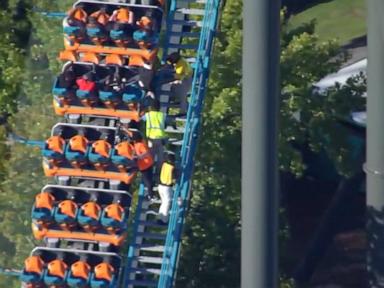
The flashing neon lights and synthesized pop tracks of major amusement parks mask a sobering reality that corporate PR departments have spent decades trying to obscure. When a fatal incident or catastrophic failure occurs on a high-speed attraction, the standard industry response is swift, predictable, and remarkably shallow. Operators release carefully sanitized statements expressing profound sorrow, attribute the tragedy to a freak anomaly or an unforeseeable alignment of factors, and pivot immediately toward public reassurance. But beneath the polished veneer of family entertainment lies an aging infrastructure, a patchwork regulatory framework, and an invisible maintenance strain that demands a much harsher investigation.
The recent tragedy at Six Flags Over Georgia, where 42-year-old Hassan Jihad Ibn Kariem lost his life on the Goliath roller coaster, ripped open a conversation that the commercial theme park industry routinely works to quiet. While initial headlines focused on the immediate shock of the fatality, the deeper narrative points directly to a systemic vulnerability in how extreme kinetic rides are monitored, maintained, and operated across North America. Far from being isolated incidents born of bad luck, structural failures and severe injuries on hyper-coasters like the X2 at Six Flags Magic Mountain reveal a troubling friction between aging mechanical systems and the relentless corporate pressure to maximize throughput and profitability. Meanwhile, you can explore related events here: The Golden Exile And The Weight Of A Single Name.
To understand why these mechanical parks face mounting structural pressures, one must look at how state-level oversight functions in practice. Unlike commercial aviation or maritime transit, which operate under rigorous federal oversight with universal standards, amusement park safety is governed by a fragmented mosaic of state laws, municipal codes, and self-regulatory guidelines. In many jurisdictions, state inspection agencies are chronically underfunded and short-staffed, leaving them heavily reliant on internal maintenance teams employed by the theme parks themselves. When external regulators lack the resources to independently verify every bolt, sensor, and restraint mechanism, the burden of safety shifts internally—creating an inherent conflict of interest between guest safety and corporate balance sheets.
Maintenance departments within major amusement chains operate under intense economic constraints. Modern hyper-coasters subject structural frames, magnetic braking systems, and computerized restraint sensors to punishing G-forces and vibrations day after day. Over years of continuous operation, metal fatigue accumulates in ways that routine visual checks can easily miss. Former park mechanics and safety experts have frequently pointed out that maintenance schedules are often compressed to meet seasonal demands, reducing the window available for deep diagnostic testing. When experienced technicians are stretched thin or lack advanced diagnostic training, the margin for operational error narrows significantly. To understand the bigger picture, we recommend the excellent article by NPR.
Compounding the maintenance bottleneck is the nature of rider restraint technology. Modern coasters rely heavily on complex computerized locking systems, hydraulic cylinders, and secondary backup belts to ensure containment. Yet, human factors remain an unpredictable variable. Parks often balance the fine line between dispatch efficiency—pushing trains out of the station every sixty seconds to keep lines moving—and meticulous passenger verification. When dispatch speeds take priority over redundancy checks, minor oversights can cascade into catastrophic failures.
The financial fallout of these incidents reveals a calculated corporate calculus. Litigation surrounding major amusement park injuries and fatalities frequently ends in confidential out-of-court settlements, shielding operators from public trials where internal maintenance logs, employee testimony, and corporate communications would be entered into public record. By burying operational failures behind non-disclosure agreements, the industry manages to preserve consumer confidence while avoiding structural accountability. The recent decisions by park operators to temporarily shutter high-profile rides and hastily introduce supplementary retrofits—such as added seatbelts—demonstrate that changes usually happen only under the blinding light of public outrage and legal exposure, rather than through proactive engineering transparency.
Fixing this systemic decay requires a fundamental overhaul of how the industry approaches risk. Voluntary compliance and internal self-policing are no longer sufficient for machines capable of generating extreme kinetic energy with hundreds of passengers a day. Independent, federally mandated oversight bodies with the power to enforce uniform maintenance standards and audit safety logs without prior notice would radically alter the safety landscape. Furthermore, complete transparency regarding historical mechanical failures and component wear data must become mandatory rather than proprietary.
Until public safety takes permanent precedence over corporate liability management, the flashing lights of the midway will continue to cast a long, avoidable shadow over the industry.
Exploring roller coaster safety after Six Flags death
This video provides an investigative look into the ride safety concerns and operational questions raised following the fatal incident at Six Flags.