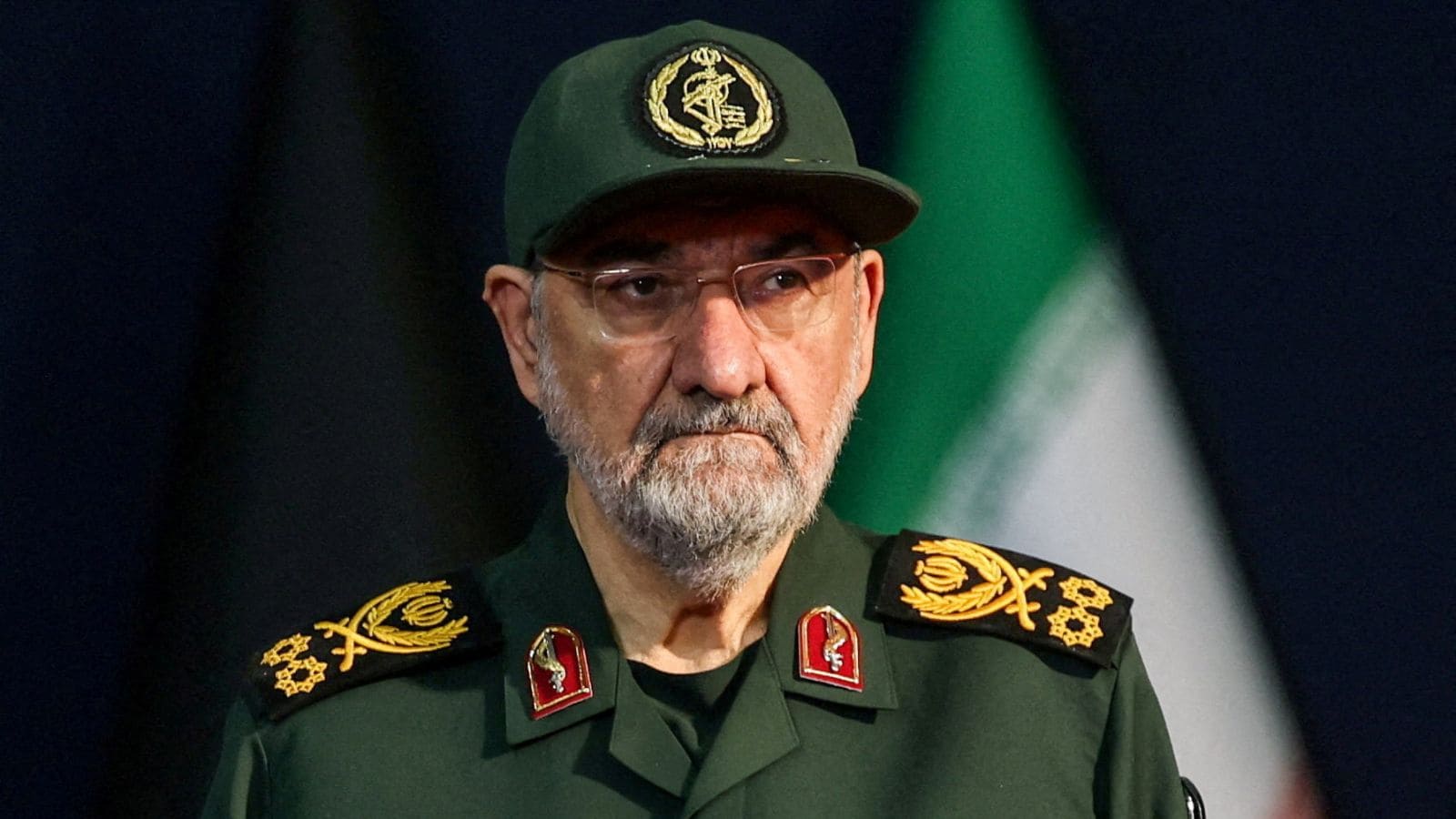
The Strait of Hormuz is not merely a geographic bottleneck; it is an economic jugular vein currently caught in a vice grip of high-stakes geopolitical extortion. Mohsen Rezaei, secretary of Iran's Supreme National Security Council, laid out Tehran's official ledger of demands through regional media, signaling that any full restoration of the waterway depends entirely on Washington bowing to a sweeping array of political, financial, and military concessions. Before hostilities choked this vital passage, roughly twenty percent of global petroleum and liquefied natural gas shipments transited its narrow waters daily. Today, traffic numbers remain severely depressed while tanker operators navigate a minefield of conflicting claims, blocked ports, and unhealed regional scars.
Diplomatic channels are burning through intermediaries like Qatar and Oman, yet the structural gap between Washington and Tehran grows wider by the day. While the White House insists that naval escorts keep energy flowing and that the waterway remains open under American protection, the reality on the water tells a different story. Shippers are watching transponders go dark, insurance premiums skyrocket, and regional energy markets price in a permanent risk premium. Tehran knows its leverage. They are holding the global economy hostage, and the standard playbooks of Western deterrence are failing to break the impasse.
The Price Tag of Confrontation
Rezaei's compiled list of preconditions goes far beyond a simple ceasefire agreement. Tehran is demanding a staggering three hundred billion dollars in compensation for wartime damages, the immediate lifting of American economic sanctions, the release of roughly one hundred billion dollars in frozen international assets, and a complete halt to military engagements spanning Lebanon, Gaza, Yemen, and Iraq. These are not terms designed for easy compromise. They are maximalist objectives intended to force a strategic retreat by the United States and its regional allies.
The financial demands alone would require an unprecedented international legal realignment. Frozen Iranian funds are scattered across multiple global jurisdictions, each bound by distinct domestic laws and political hurdles. Unlocking those accounts means cutting through years of litigation and sanctions architecture built up by successive American administrations. By tying these financial releases directly to the reopening of the central shipping channel in Hormuz, Tehran has weaponized liquidity against global energy stability.
At the same time, a parallel track involving Oman has revealed a tactical flexibility beneath Iran's hardline posturing. Tehran and Muscat have quietly hashed out the outlines of a secondary transit corridor that splits control and revenue sharing through territorial waters. Yet, this bilateral arrangement comes with a catch. The main, deep-water central channel remains barred to standard international traffic. That prime maritime highway is being kept under lock and key, reserved exclusively as leverage for a broader memorandum of understanding with Washington.
The Illusion of Naval Control
American energy officials continue to project absolute confidence, pointing to military escorts and asserting that millions of barrels of crude continue to clear the region. Energy Secretary Chris Wright recently emphasized that oil is moving thanks to the United States Navy. But tanker tracking data paints a far more volatile picture. On any given day, official vessel counts through the strait drop to a fraction of their historical averages. Many commercial operators refuse to run the gauntlet without explicit guarantees that neither side is willing to provide.
The confrontation has devolved into a war of attrition where physical naval presence does not equal operational security. A single persistent threat or an unannounced maritime restriction can freeze traffic instantly. Tehran's Revolutionary Guards have made it clear that non-compliant vessels will face severe future constraints, effectively creating a shadow regulatory regime in international waters. When regional actors can dictate who passes through a global commons, traditional maritime law ceases to function as written.
Washington faces a brutal policy dilemma. Accepting Rezaei's terms means validating an aggressive state-level blockade strategy and handing Tehran a historic geopolitical victory. Refusing to negotiate risks a sustained energy crunch that could derail global economic growth just as inflation begins to cool. Neither path offers a clean exit. The White House has leaned heavily on economic warfare and military posture, but economic pressure campaigns work best when the target lacks asymmetric leverage. Iran holds the choke point, and no amount of carrier strike groups can wish that physical reality away.
The Regional Fallout
Gulf states are caught directly in the crossfire of this escalating economic war. Nations like Saudi Arabia, the United Arab Emirates, and Qatar watch nervously as Tehran threatens to widen its retaliation beyond the immediate strait to target regional infrastructure and alternative trade routes. The memory of past drone and missile strikes on energy facilities remains fresh in the minds of local planners. For all the talk of American security guarantees, Gulf capitals know that a prolonged closure of Hormuz turns their own economic foundations into frontline targets.
Diplomats from Doha are working frantically to bridge the chasm, shuttling between capitals to find a formula that saves face for both Washington and Tehran. Yet, every diplomatic breakthrough is immediately undermined by hardline rhetoric from the Islamic Revolutionary Guard Corps or uncompromising declarations from American leadership. The institutional inertia on both sides favors continued confrontation over fragile compromises.
The security architecture of the Persian Gulf is being rewritten in real time. Regional powers are realizing that external security umbrellas come with immense collateral risks. As long as American forces remain stationed across the region, Tehran will use the Strait of Hormuz as a permanent pressure valve against Western interests. The conditions laid out by Rezaei are not a starting point for a peaceful resolution; they are a demand for capitulation wrapped in the language of diplomacy, leaving the global energy market shackled to a conflict with no end in sight.


