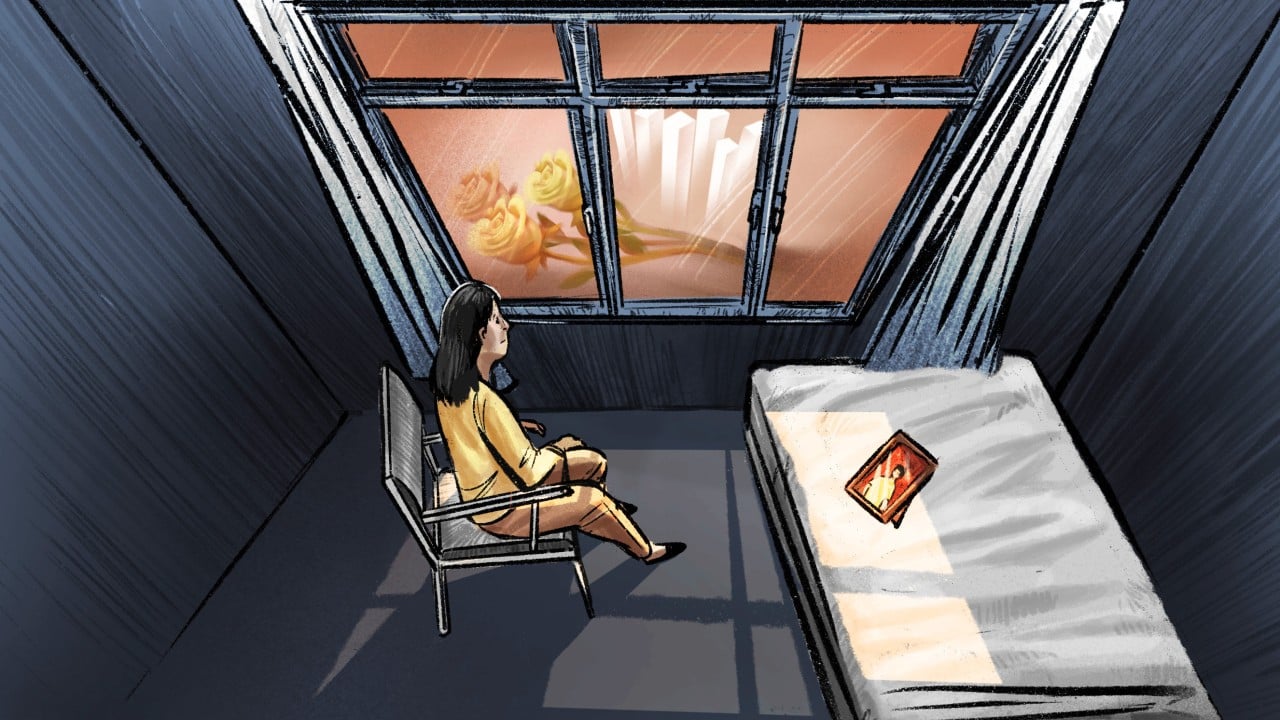
Inside the Tai Po Fire Aftermath Nobody Is Talking About
One year after a major fire in Tai Po, residents are confronting a quieter, harder reality than the initial emergency coverage suggested. Mourning has not followed a neat calendar. Displacement, insurance disputes, delayed housing repairs, and unresolved questions around building safety now shape daily survival long after the smoke cleared.
A competitor piece framed the twelve-month mark around personal mourning and efforts to move on. That angle matters, yet stopping at emotional recovery misses the structural mechanics that turn a sudden catastrophe into a multi-year ordeal. Grief in the wake of a residential blaze is never purely internal. It collides directly with property law, municipal enforcement, household finances, and the physical space where a family once felt safe. For an alternative perspective, see: this related article.
Why Twelve Months Feels Like Day One
Time does not heal an open wound when the environment keeps re-opening it.
For many people affected by a severe apartment or housing fire in a dense district like Tai Po, the first few weeks are dominated by crisis adrenaline. Neighbors share updates. Relief grants are announced. Media cameras point toward damaged facades and temporary shelters. By the one-year mark, public attention moves elsewhere, leaving households inside bureaucratic mazes that move at a glacial pace. Similar insight on this trend has been published by TIME.
A resident who loses a home does not simply grieve loved ones or sentimental belongings. Every routine anchor disappears at once. A morning coffee spot closes or feels strange. A child changes schools or commutes from an unfamiliar temporary address. Even small administrative errands—replacing identification documents, proving ownership of destroyed property, or explaining housing status to a school or employer—force survivors to relive the event repeatedly.
Recovery stalls when institutional timelines run on months and years while human trauma runs on sensory triggers.
There is also a distinct psychological trap around anniversaries. Commemorations can validate pain and bring neighbors together, yet they can also create silent pressure to appear "further along" than reality allows. Grief after a disaster rarely moves in a straight line from shock to acceptance. It cycles between numbness, anger, practical exhaustion, and sudden waves of sorrow triggered by a smell of smoke, a siren, or a walk past a scaffolding-covered block.
The Hidden Mechanics of Post Fire Displacement
Temporary housing solves an immediate roof problem. It rarely solves stability.
When families are displaced by a serious fire, short-term shelter or transitional accommodation provides vital breathing room. Over twelve months, however, temporary arrangements begin to fray. Leases expire. Relocation allowances run low. Families split across different districts because no single unit fits everyone's work commute, caregiving needs, or school catchment.
Consider a hypothetical example to see how friction compounds. Suppose a household of four—two working adults, an elderly parent, and a school-age child—moves into a temporary flat twelve kilometers away from their original Tai Po neighborhood. On paper, they have a roof overhead. In practice, one adult adds ninety minutes of daily transit, the elderly parent loses familiar clinic access and neighborly eyes, and the child loses after-school proximity to classmates. Multiply that friction across dozens or hundreds of households, and "moving on" starts looking like an endurance test rather than a personal choice.
Housing Rebuilding and Inspection Bottlenecks
Physical restoration is where good intentions routinely collide with technical reality.
After a severe fire, getting back into a damaged building—or securing a permanent replacement—depends on structural assessments, electrical and plumbing re-certification, fire-safety upgrades, and contractor availability. None of these steps is instant, and skipping any of them creates danger.
At the same time, residents often face an information vacuum. Technical engineering reports are dense. Repair schedules shift when hidden damage surfaces behind walls or ceilings. Owners' corporations, property managers, insurers, and public agencies can end up pointing at different bottlenecks, leaving residents without a single clear answer to the simplest question: when can life return to normal?
| Recovery Dimension | What Early Relief Covers | What Breaks Down by Month Twelve |
|---|---|---|
| Shelter | Emergency beds or short-term units | Lease renewals, commute strain, family separation |
| Finances | Immediate cash aid or fee waivers | Insurance deductibles, valuation disputes, lost income |
| Building Status | Initial safety cordon and triage | Structural sign-offs, contractor delays, repair costs |
| Mental Health | Crisis hotlines and early counseling | Delayed grief, anniversary stress, caregiver burnout |
Insurance, Liability, and the Paperwork War
Smoke clears in days. Claims files drag on for years.
One of the least glamorous—and most exhausting—parts of surviving a major residential fire is proving loss on paper. Receipts burned. Digital backups may have been lost or tied to damaged devices. Standard home contents policies often cap payouts, impose depreciation deductions, or exclude specific damage categories depending on policy wording and cause-of-fire findings.
When liability is contested or an investigation remains ongoing, payouts can stall. A policy that looks straightforward at purchase can feel labyrinthine when a family is trying to replace furniture, appliances, clothing, and essential tools while still paying existing obligations.
There is an uncomfortable gray area here that deserves candid scrutiny. Fast payouts without proper verification risk fraud and misallocation of funds, yet slow, overly defensive claims handling inflicts real hardship on people who already lost everything. Neither extreme is painless, and pretending insurance alone makes a fire victim "whole" ignores how often coverage falls short of true replacement and disruption costs.
Community Bonds and Quiet Fracture Lines
Disaster can pull a neighborhood tight. It can also expose strain.
In tight-knit communities like Tai Po, shared history matters. Neighbors who checked on one another before the fire often become the first to understand what a lost home truly means—not just four walls, but years of shared stairwells, markets, and routines. Mutual support among residents frequently fills gaps that formal systems miss.
Yet long-term stress tests solidarity. Disagreements can emerge over compensation fairness, building management decisions, repair priorities, or how loudly residents should press authorities and insurers. Different households have different financial cushions, family support networks, and risk tolerances. One family may want a fast settlement and a fresh start elsewhere; another may demand full structural remediation and accountability before signing anything.
Ignoring those differences in pursuit of a tidy "united community" narrative misses real human complexity. Solidarity survives best when people are allowed to grieve differently and negotiate practical futures honestly without being shamed for wanting security first.
What Moving On Actually Demands
Moving on is not forgetting. It is regaining agency.
After a year, telling survivors simply to stay positive or look forward rings hollow if the practical obstacles around them remain untouched. Real progress requires aligning emotional support with tangible relief: clear timelines on housing and repairs, plain-language updates from decision-makers, fair and transparent claims handling, and long-term mental health care that stays available after the headlines fade.
A twelve-month anniversary is less a finish line than a mirror. It shows how well a city supports people once the emergency sirens stop—and what still needs fixing before the next crisis hits.


