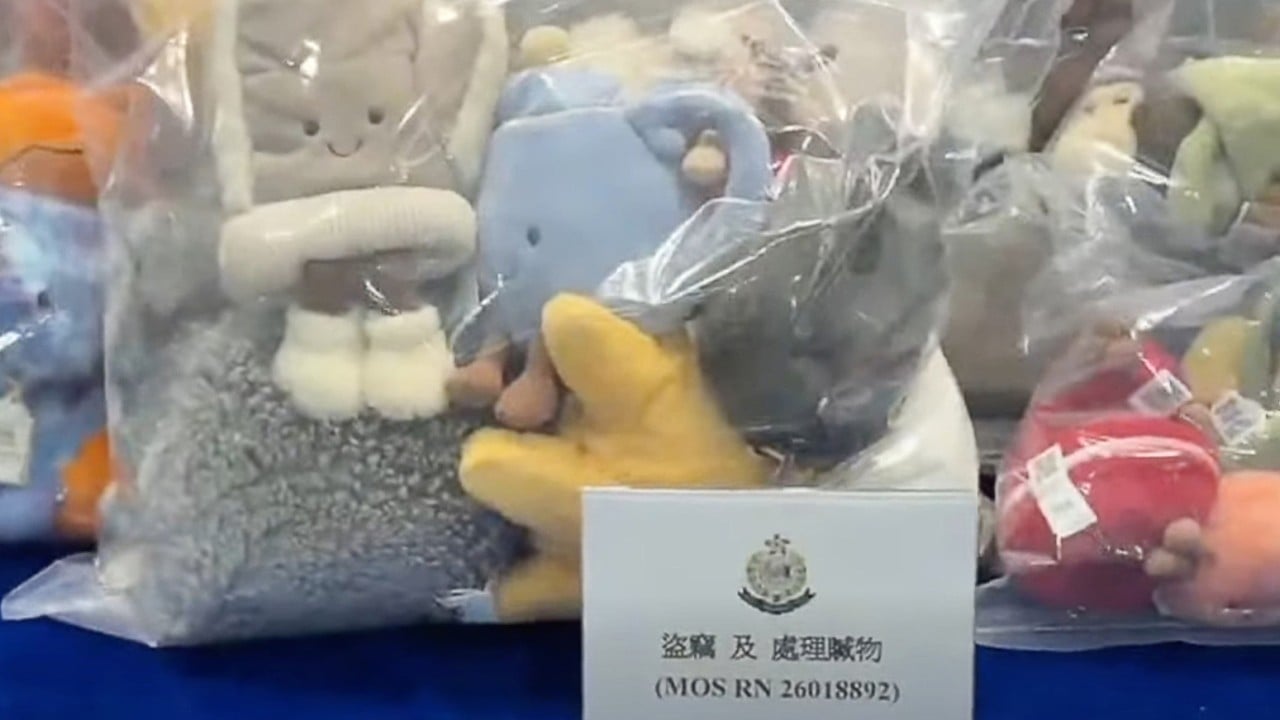
Police have arrested three men following an aggressive early-morning break-in at a Tai Wai arcade where thieves used heavy iron tools to steal approximately HK$70,000 worth of luxury plush toys, primarily high-demand Jellycat items. This high-stakes raid on Chik Sau Lane highlights a dangerous evolution in urban retail crime, transforming unmanned 24-hour storefronts into lucrative targets for organized syndicates capitalizing on secondary market obsession.
The raid was swift and calculated. Surveillance footage captured masked intruders smashing through security barriers with heavy iron tools, ripping open display compartments, and packing large nylon woven bags with rare collector-grade items before fleeing in a waiting vehicle. The sheer audacity of the operation stunned local shop owners, shattering the illusion that coin-op stores operating without staff are immune to serious criminal enterprises. Also making news recently: Inside the Manston Asylum Crisis That Broke Britain’s Border System.
For years, the claw machine phenomenon spread across Hong Kong like wildfire. Empty street-level storefronts transformed overnight into neon-lit shrines of self-service entertainment. Low overhead costs and automated transactions promised passive income for entrepreneurs willing to gamble on commercial rents. Yet, this rapid proliferation created an unintended vulnerability. Hundreds of unattended boxes filled with expensive merchandise sat exposed behind thin glass panels, monitored only by passive closed-circuit cameras. Criminal networks noticed the mismatch between high-value inventory and low physical security long before law enforcement agencies treated the trend as anything more than petty shoplifting.
The Rise of Collectible Speculation
Jellycat plushies are no longer children's toys. The brand engineered a masterclass in artificial scarcity and emotional branding, turning simple stuffed animals into coveted status symbols traded on secondary platforms for hundreds of dollars apiece. Rare releases, discontinued designs, and seasonal variants command astronomical prices among adult collectors. When an arcade stocks its machines with authentic, highly sought-after inventory to attract players, the storefront essentially becomes an unprotected jewelry store stocked with soft, easily concealable assets. Additional information on this are detailed by Reuters.
The secondary market operates on hyper-speed digital channels. Within hours of a successful heist, stolen merchandise can be listed across multiple peer-to-peer marketplaces under pseudonymous accounts. Buyers hunting for discounts rarely ask questions about the provenance of a pristine, tag-attached luxury plush toy. This immediate liquidity acts as a powerful magnet for criminal elements seeking quick cash conversions. Traditional burglaries involving electronics or cash leave heavy forensic footprints and require complex fencing operations. Soft toys present zero serial numbers, minimal weight, and an eager buying public completely detached from the moral implications of the supply chain.
The heist in Tai Wai was not an isolated incident of opportunistic teenage mischief. The coordinated nature of the break-in, complete with specialized tools and rapid extraction logistics, points directly toward professional criminal coordination. Investigators traced the operation through extensive digital surveillance footprints, eventually detaining multiple suspects across separate raids. However, the recovery rate of data and stolen inventory remains a fraction of the total loss, indicating an active offloading pipeline already feeding black-market buyers.
Structural Vulnerabilities in Unmanned Retail
The architectural layout of Hong Kong retail spaces exacerbates the crisis. High street rents force independent operators into tight, narrow storefronts with minimal structural defenses outside of standard security gates. Many arcades operate in older residential buildings where property management companies provide little to no overnight surveillance. Thieves exploit these blind spots, knowing that response times from local patrols often exceed the duration of a smash-and-grab operation.
Glass storefronts serve as marketing tools during daylight hours, drawing foot traffic with vibrant displays of prizes. At night, that same transparency becomes a fatal flaw. A standard laminated glass panel offers zero resistance against a determined individual wielding a crowbar. Once the outer barrier shatters, the individual machine locks are trivial obstacles for professional thieves equipped with hydraulic cutters or heavy pry bars.
Independent shop owners have begun fighting back through unconventional means. Following the raid, the victimized proprietor published raw security footage online and slapped a HK$100,000 cash reward on the heads of the culprits, bypassing traditional channels to mobilize citizen detectives and social media pressure. This vigilante approach underscores a profound loss of faith in standard commercial protection measures. When insurance policies exclude unsecured inventory or demand prohibitive premiums for unattended retail spaces, operators are left to rely on public shaming and private bounties.
Law Enforcement and Legal Grey Zones
Law enforcement agencies face unique hurdles when combating collectible asset theft. Unlike cash registers or electronic vaults, physical inventory lacks serial numbers or centralized tracking identifiers. A stolen Jellycat bunny looks identical to a legally purchased one. Once the plushies enter private peer-to-peer resale channels or cross borders into neighboring jurisdictions, tracing ownership becomes nearly impossible for overworked investigators. Criminals recognize this legal grey zone and treat high-end toy stores as low-risk, high-return ventures.
The judicial response has begun to catch up with the scale of the operations, with regional courts handing down custodial sentences for repeat offenders involved in coordinated arcade raids. Yet, deterrence remains weak when the profit margins of a single successful night rival weeks of legitimate manual labor. Prison terms are calculated as occupational hazards by syndicates operating multi-store burglary rings across different urban districts.
The psychological shift among consumers and perpetrators alike reveals a broader societal distortion. The line between harmless fandom and criminal acquisition has blurred under the pressure of speculative consumerism. When cultural cachet dictates value, objects acquire inflated worth that justifies extreme risks. Thieves are not breaking locks for survival money; they are operating like art thieves targeting minor galleries, fencing luxury soft goods to buyers who care nothing about the origin story of their discounted collectibles.
Insurance Realities and Operational Shifts
Industry veterans warn that the current wave of arcade burglaries will force a radical transformation in how unmanned retail operates. Operators are already discussing mandatory retrofits, including reinforced steel roller shutters, biometric access controls for late-night entry, and smart display cases equipped with weight sensors that trigger silent alarms upon unauthorized entry. Yet, every added layer of security strips away the frictionless convenience that made the business model profitable in the first place.
Insurance underwriters are rewriting their risk assessments for unattended commercial spaces. Policies that once covered basic property damage now explicitly exclude high-end collectible inventory unless stored inside heavily fortified backrooms outside operating hours. This shift threatens to price smaller independent entrepreneurs out of the market entirely, leaving the sector dominated by heavily capitalized chains capable of absorbing recurring inventory losses.
The arrests in Tai Wai mark a tactical victory for regional investigators, but the underlying market incentives remain fully intact. As long as secondary platforms sustain exorbitant prices for rare soft toys, criminal syndicates will continue treating glass-front arcades as open vaults waiting for a crowbar.