The arithmetic of modern political campaigns is anchored by a little-known broadcast provision called the lowest unit charge. Under federal law, television and radio stations are required to sell ad time to legally qualified candidates at their cheapest available rates during the final weeks of an election cycle. That statutory discount ensures that local broadcast airwaves do not price out individual candidates standing for office. In March, the Federal Communications Commission upended decades of media regulation by issuing an administrative notice declaring that these preferential rates should also apply to political party committees and joint fundraising operations.
That single agency interpretation created an immediate financial earthquake across national media markets. Because party campaign committees frequently accumulate vastly larger war chests than individual candidates, the ruling offered major fundraising apparatuses an immense economic advantage. Congressional campaign arms mapped out television ad buys stretching into the tens of millions of dollars, counting on the heavy discounts to stretch every donor dollar further. Democratic candidates in tight races across the country recognized the threat immediately, filing swift legal challenges to push back against what they viewed as a partisan distortion of media law.
Last week, the Fourth Circuit Court of Appeals delivered a sharp rebuke to the regulatory shift. In a two-to-one decision, the panel ruled that the statutory text of the Communications Act means precisely what it says: the discount belongs to candidates, and only candidates. Circuit Judge Robert King wrote that the term candidate admits no ambiguity, rejecting the agency's attempt to stretch statutory definitions to cover auxiliary party organs. With statutory windows opening immediately ahead of the midterms, local stations began ripping up discounted contracts and issuing steep supplemental bills to political committees.
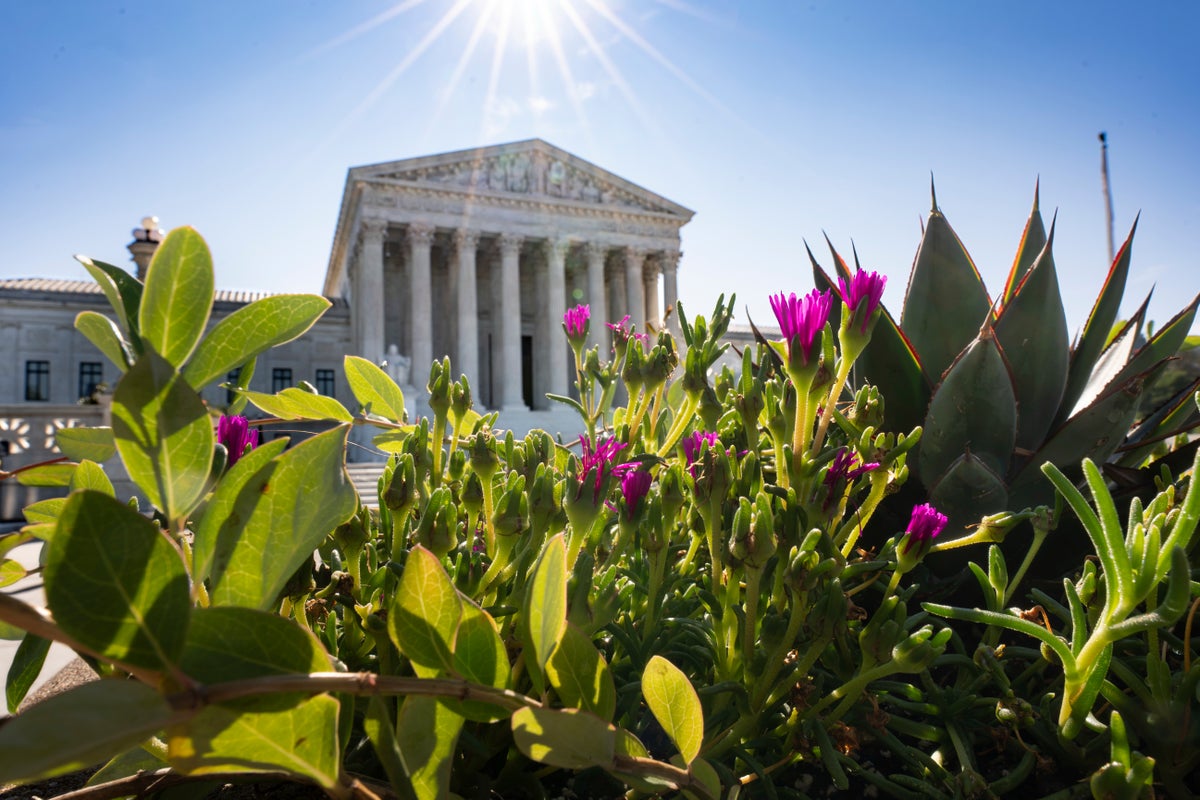
The response from the right was instantaneous and unsparing. The National Republican Congressional Committee and the National Republican Senatorial Committee rushed an emergency application directly to the Supreme Court, demanding that the justices freeze the lower court order before Friday. The legal teams representing the Republican campaign arms argue that denying discounted rates to coordinated party entities severely harms core political speech. They contend that the Fourth Circuit's decision effectively reinstates improper limits on coordination between candidates and their national parties—restrictions that the Supreme Court itself voted to dismantle just two months prior in a major campaign finance ruling.
The Trump administration threw its weight behind the emergency appeal within hours. Solicitor General D. John Sauer filed briefs arguing that the agency notice applied universally to all political factions, granting no special privilege to one side over another. From the executive branch perspective, the policy change offered an equal playing field to both parties, making judicial intervention by the appellate panel an unwarranted intrusion into administrative discretion.
Yet the underlying mechanics of political fundraising reveal why this dispute transcends standard administrative law. Democrats typically funnel donor capital directly through candidate-controlled committees, maximizing individual access to the lowest unit charge. Republicans have historically structured more of their financial operations through party committees and joint fundraising vehicles. Expanding the discount to party committees structurally favored the Republican fundraising model, multiplying their media buying power across competitive House and Senate districts.
The emergency filing places the conservative majority on the high court in a familiar position of expedited intervention. The timing creates a hard operational crunch for local broadcasters who must finalize ad pricing sheets as the countdown to November accelerates. If the justices choose to grant the stay requested by the campaign committees, millions of dollars in media value will instantly flow back into party coffers. If the court lets the Fourth Circuit ruling stand, national committees face an immediate budget crunch, forcing painful choices between reducing ad volume or absorbing severe rate hikes on local television stations.
The confrontation demonstrates how modern campaign finance battles have shifted from direct contribution limits to the logistical plumbing of media markets. When regulatory agencies rewrite definitions governing multi-million dollar airwave purchases weeks before a national election, the resulting shockwaves ripple through every competitive media market in the country. The Supreme Court's impending action will determine whether campaign committees retain their newly acquired financial leverage or face a sudden, costly retreat on the airwaves.