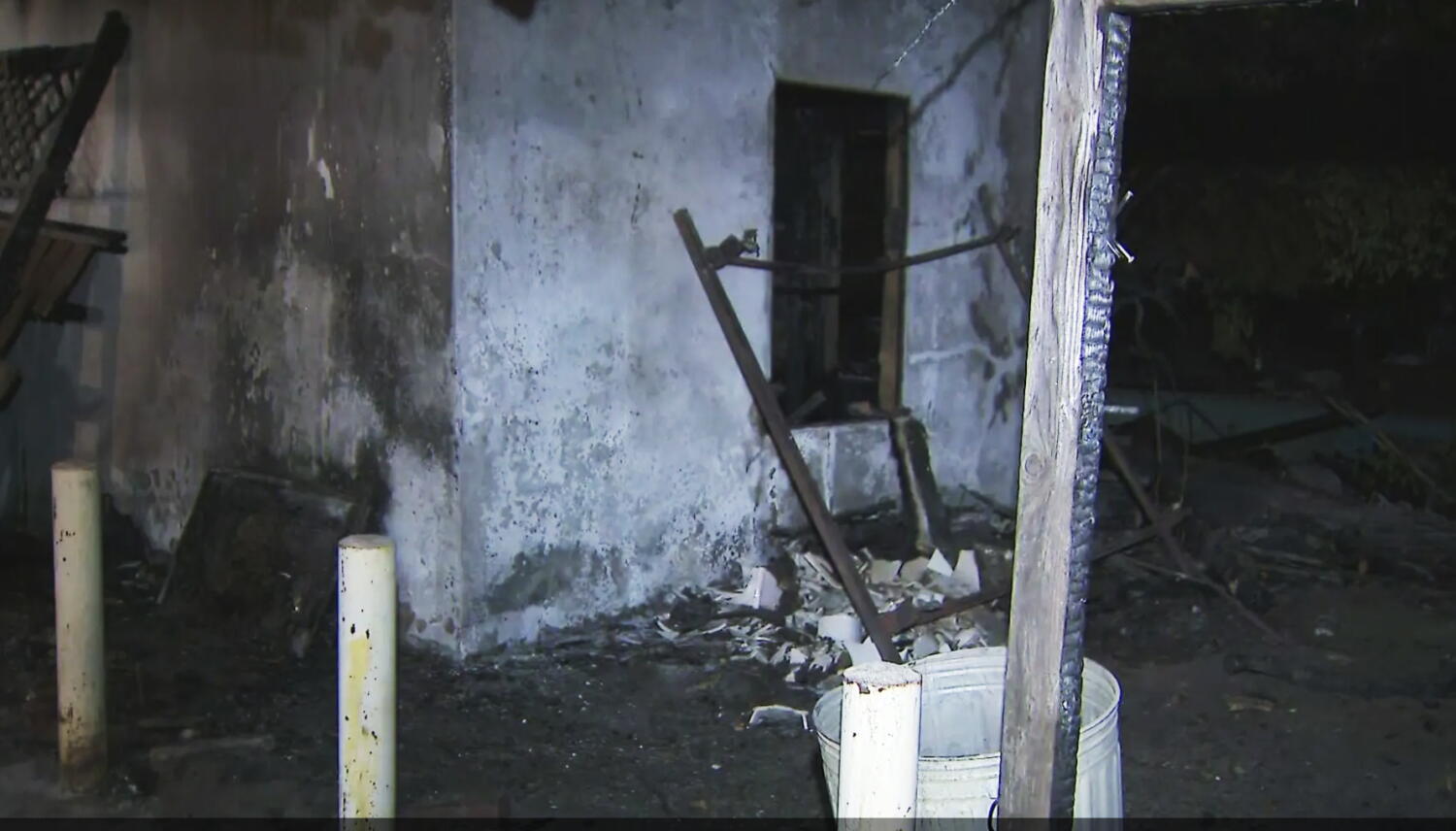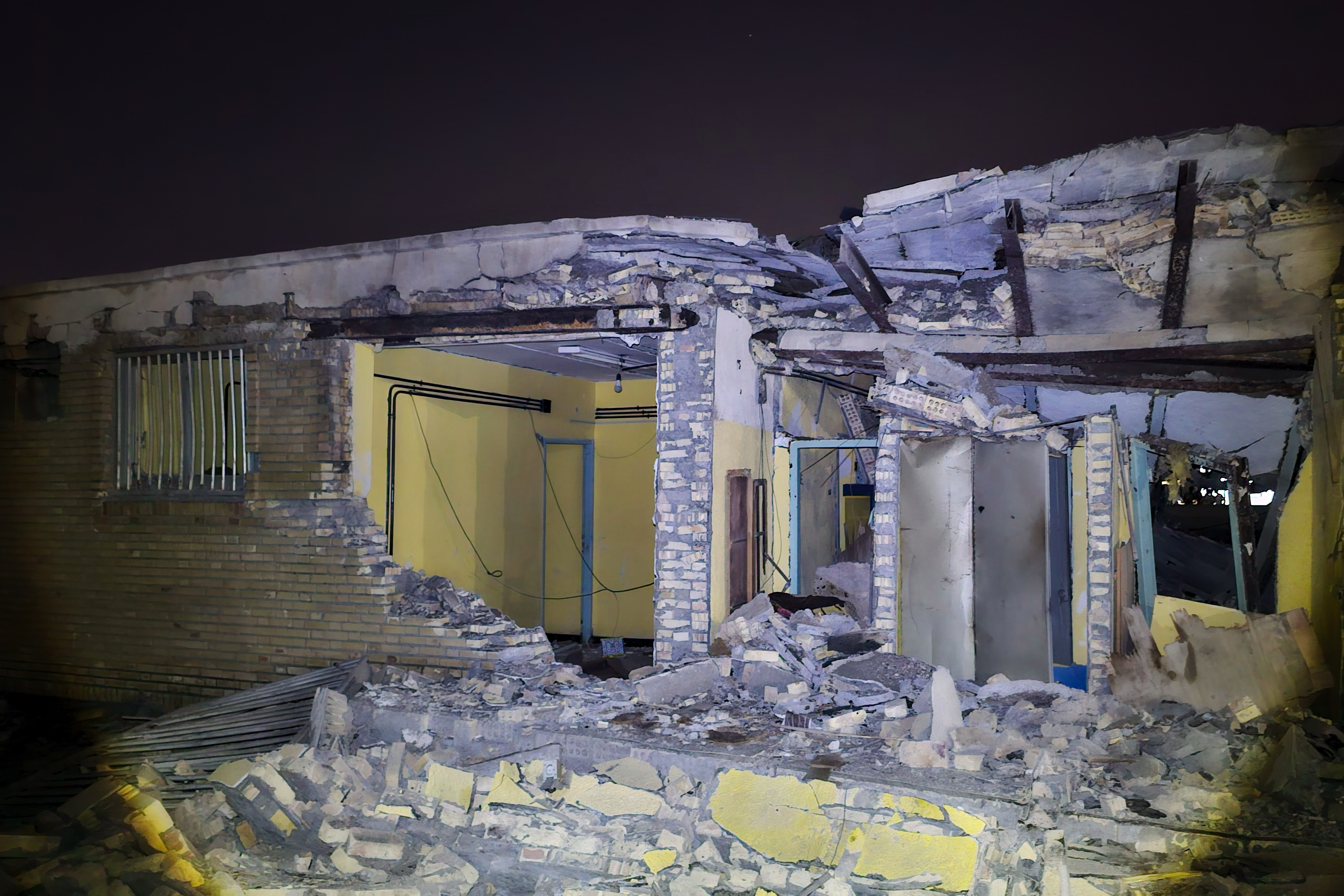
The fragile monthlong lull across the Persian Gulf evaporated under a blanket of midnight bombardment, dragging American allies back into the direct line of fire. Iranian forces launched a coordinated barrage of drones and missiles targeting regional neighbors following American airstrikes that hit military installations and, according to local officials, a residential home hosting a wedding party in the coastal town of Kuhestak. Brent crude immediately surged to ninety-five dollars a barrel, breaking the temporary stability that Washington had fought to establish in the vital shipping lanes of the Strait of Hormuz.
This violent reset shatters the illusion of containment that both Washington and Tehran tried to project during the previous weeks of reduced kinetic activity. The underlying mechanics of this conflict have always centered on economic strangulation and energy security.
The Battle for the Barrel
During the recent period of relative quiet, United States Central Command officials trumpeted claims that the waterway had been cleared of hidden ordnance. Commercial tankers trickled through under naval escort. Washington wanted the world to believe the maritime choke point was open for business, keeping global oil prices anchored near eighty dollars a barrel.
That narrative ignored the grim reality on the ground inside Iran. The domestic economy continued its freefall, with the Iranian rial plunging past two million to the dollar. Inflation is rampant. Public discontent simmers just beneath the surface of a heavily policed society.
Tehran realized that a quiet stalemate favored the American strategy of economic asphyxiation. By allowing oil to flow and prices to stabilize, Washington could squeeze the regime indefinitely without risking a wider conflagration.
A static war of attrition spells slow death for the Iranian leadership. Their response required injecting maximum volatility back into the market.
When American warplanes struck rocket launchers on an island in the Strait of Hormuz to stop fresh mining operations, Tehran answered by expanding the geographical scope of the retaliation.
Expanding the Target Set
Drones and missiles did not merely target American positions in Iraq and Jordan. They rained down on regional neighbors who thought their diplomatic neutrality might insulate them from the carnage.
Bahrain reported intercepting incoming fire. Kuwait City fought a major residential fire sparked by an Iranian drone strike. Kurdish authorities in northern Iraq intercepted ten explosives-laden drones directed at the Irbil area.
Tehran is sending an unambiguous signal to the Gulf monarchies. There is no safe harbor while hosting infrastructure utilized by the American military.
By threatening the stability of its Arab neighbors, Iran forces those capitals to lobby Washington for de-escalation. It turns local economic vulnerability into a regional security dilemma.
The human toll compounds these strategic calculations. State media in Iran reported that four people, including two children, died when a cruise missile struck a home during wedding celebrations in Kuhestak.
Images of hospitalized children from Minab and mourning families circulate endlessly across regional networks, hardening public resolve against American intervention. The United States military maintains that it strictly avoids civilian targets, pointing instead to strikes against radar systems and air defense nodes.
Yet every casualty becomes a powerful recruitment tool for hardline factions inside the Iranian government.
The Domestic Political Clock
Time remains the most scarce commodity in Washington. The White House faces an unforgiving political calendar with midterm elections fast approaching.
Voters do not care about complex maritime deterrence theories when fuel prices jump thirty percent overnight. Persistent conflict translates directly into inflationary pressure at domestic gas pumps.
Every escalation undermines the administration's narrative of competent foreign policy management. Republican strategists watch the ticker closely as energy markets react to every flash of light over the Persian Gulf.
Neither side can afford a full-scale conventional war, yet neither can accept a humiliating climbdown. The Iranian leadership faces existential threats from popular uprisings if economic sanctions persist without a fight.
Washington cannot walk away without projecting weakness in a theater vital to global trade.
This dynamic locks both nations into an escalation ladder where each rung requires greater violence just to maintain parity.
The Fragile Architecture of Deterrence
Military analysts often talk about deterrence as a mathematical equation of capabilities and resolve. The current Middle Eastern reality proves that equation is deeply flawed when emotional grievances and regime survival take precedence over cold logic.
Advanced missile defense systems over Bahrain, Kuwait, and Jordan successfully intercepted the latest volleys. Patriot batteries and air surveillance networks held their ground.
Technology cannot substitute for a coherent political endpoint. Intercepting drones is an expensive defensive posture that offers no path toward permanent resolution.
As long as the Strait of Hormuz remains contested and economic sanctions tighten, the cycle will repeat. A brief lull gives way to targeted strikes.
Targeted strikes provoke asymmetric retaliation. Asymmetric retaliation spikes crude oil prices and rattles global markets.
The illusion of a managed conflict has vanished beneath the desert smoke. The next escalation is not a distant possibility, but an active countdown.