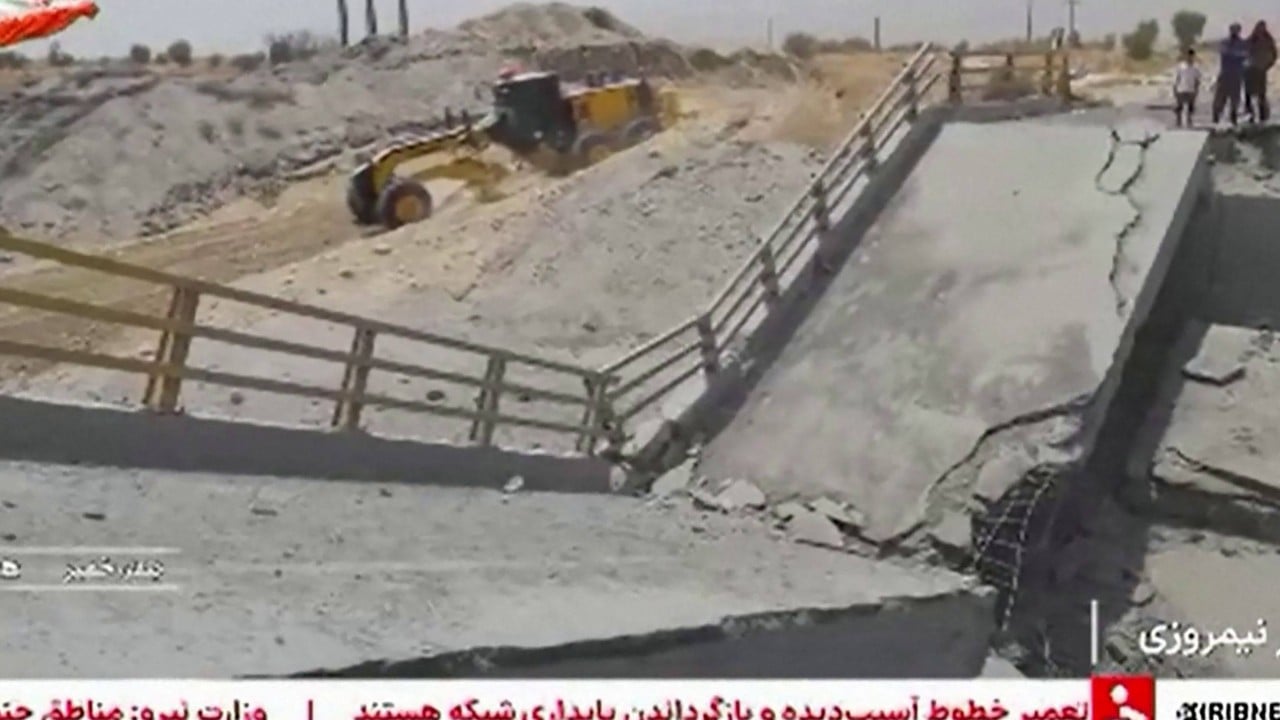
The recent escalation in cyber and kinetic attacks targeting critical infrastructure marks a dangerous shift from deniable espionage to overt sabotage. While public anxiety focuses on regional skirmishes, the real danger lies in the quiet, systemic dismantling of public utilities, oil pipelines, and communication networks. Washington and Tehran have entered a volatile cycle of retaliation that risks disabling the civilian systems keeping millions of people alive. This is no longer a localized conflict. It is an active testing ground for modern infrastructure warfare.
Security analysts have long warned about this vulnerability. For years, state-sponsored actors probed networks, mapping out control systems without pulling the trigger. That restraint has evaporated. The infrastructure itself has become the primary battlefield.
The Illusion of the Air Gap
Most people assume critical infrastructure operates on isolated networks. They believe a physical disconnect—an air gap—keeps water treatment plants and power grids safe from foreign digital intrusion. This is a myth.
Modern utility providers rely on remote access for maintenance, third-party vendor integration, and data analytics. This operational reality creates avenues for intrusion. When a state actor targets a pipeline or a municipal water facility, they rarely breach the front door. Instead, they exploit compromised credentials from an obscure contractor or find an unpatched vulnerability in standard industrial software.
Once inside, attackers move from corporate networks to operational technology. These are the systems controlling physical valves, pumps, and circuit breakers. In the context of the current friction between Western assets and Middle Eastern networks, the methodology has shifted from data theft to physical disruption. A successful breach means an operator miles away can manipulate pressure levels, alter chemical balances, or shut down electricity entirely.
Retaliation by Code and Kinetic Strike
The current cycle of escalation operates on a dual-track strategy. On one side, digital payloads disable industrial control mechanisms. On the other, physical drone and missile strikes target the exact same facilities. This creates a compounding effect.
Consider the operational reality of a modern oil refinery or container port. If a cyberattack knocks out the automated logistics system, the facility slows to a crawl. If a drone strike then hits the physical backup generators during the resulting confusion, the entire operation collapses. This coordinated approach is not accidental; it is a deliberate doctrine designed to overwhelm emergency response capabilities.
+-------------------------------------------------------------+
|               CYCLE OF INFRASTRUCTURE CONFLICT             |
+-------------------------------------------------------------+
|                                                             |
|   1. Reconnaissance  --> Mapping vendor access points       |
|                                |                            |
|                                v                            |
|   2. Infiltration    --> Exploiting unpatched software      |
|                                |                            |
|                                v                            |
|   3. Disruption      --> Disabling industrial controls      |
|                                |                            |
|                                v                            |
|   4. Physical Impact --> Compounding damage via kinetic force |
|                                                             |
+-------------------------------------------------------------+
Tehran has focused heavily on asymmetric digital capabilities to offset its conventional military limitations. This strategy allows for significant disruption while maintaining a degree of plausible deniability. Conversely, Western responses have increasingly leaned toward public attribution and targeted digital counter-offensives aimed at disrupting command-and-control servers. The problem with this back-and-forth is the predictable lack of an exit ramp. Every strike justifies the next.
The Collateral Damage is Inherently Civilian
Warfare historically spared civilian infrastructure, at least in theory. The current paradigm explicitly targets it because the economic and psychological impact is immediate. When electricity fails, hospitals rely on limited generator fuel, water purification stops, and supply chains freeze.
The vulnerabilities are not evenly distributed. Major metropolitan centers often have redundant systems and deep financial reserves to weather an outage. Small municipalities and regional utility cooperatives do not. They run on razor-thin margins, utilizing outdated hardware running legacy software that hasn't seen a security update in a decade.
A hypothetical regional water authority serving 50,000 people cannot afford a dedicated, round-the-clock cybersecurity operations center. If a state-sponsored group targets their programmable logic controllers, the local operators might not even realize they are under attack until the pumps physically burn out. This vulnerability makes smaller, critical nodes attractive targets for testing new cyber weapons before deploying them against larger targets.
The Failure of Deterrence
Traditional deterrence relies on the threat of mutually assured destruction or severe economic penalties. Neither mechanism functions effectively in the realm of infrastructure cyber warfare.
Attribution remains a significant hurdle. Even when forensic evidence points clearly to a specific state intelligence unit, the target can claim the attack was executed by rogue hacktivists or independent criminal networks operating within their borders. This ambiguity delays diplomatic responses and complicates retaliation.
Furthermore, sanctions have reached a point of diminishing returns. Decades of economic isolation have forced nations like Iran to build independent, localized tech ecosystems and resilient black-market supply lines. Adding more names to a sanctions list does nothing to stop a line of malicious code from executing on a turbine thousands of miles away.
Fixing the Invisible Vulnerability
Defending against this tier of threat requires abandoning the reactive mindset that dominates current security policies. Patching vulnerabilities after they are exploited is a losing strategy against an adversary with unlimited time and state backing.
- Enforce strict hardware-based isolation: Software-defined perimeters are insufficient; critical control valves must feature physical manual overrides that cannot be bypassed by any digital command.
- Mandate continuous threat hunting: Organizations must operate under the permanent assumption that their networks are already breached, focusing on detecting anomalous lateral movement inside the perimeter.
- Decentralize regional power and water assets: Microgrids and localized treatment facilities limit the blast radius of a successful attack, preventing a single breach from cascading into a nationwide emergency.
The current conflict is a warning shot for global infrastructure stability. As long as civilian utilities remain accessible via public-facing networks, they will be utilized as leverage in geopolitical disputes. The transition from digital disruption to physical catastrophe is a matter of when, not if.