Air defense batteries over Riyadh do not fire in absolute silence. They roar, shaking the glass panes of commercial districts before leaving streaks of white smoke across an otherwise clear desert sky.
The United States Mission in Saudi Arabia issued an urgent countrywide security alert, urging American nationals to exercise heightened vigilance and prepare for potential airspace restrictions or sudden flight suspensions. This directive follows escalating drone and missile interceptions orchestrated by the Saudi-led coalition against persistent cross-border aerial threats. Behind the diplomatic cables and public warnings lies a tense operational reality: the Gulf remains a high-stakes chessboard where Washington’s preference for economic containment collides with a grinding military standoff involving Iran and its regional proxies.
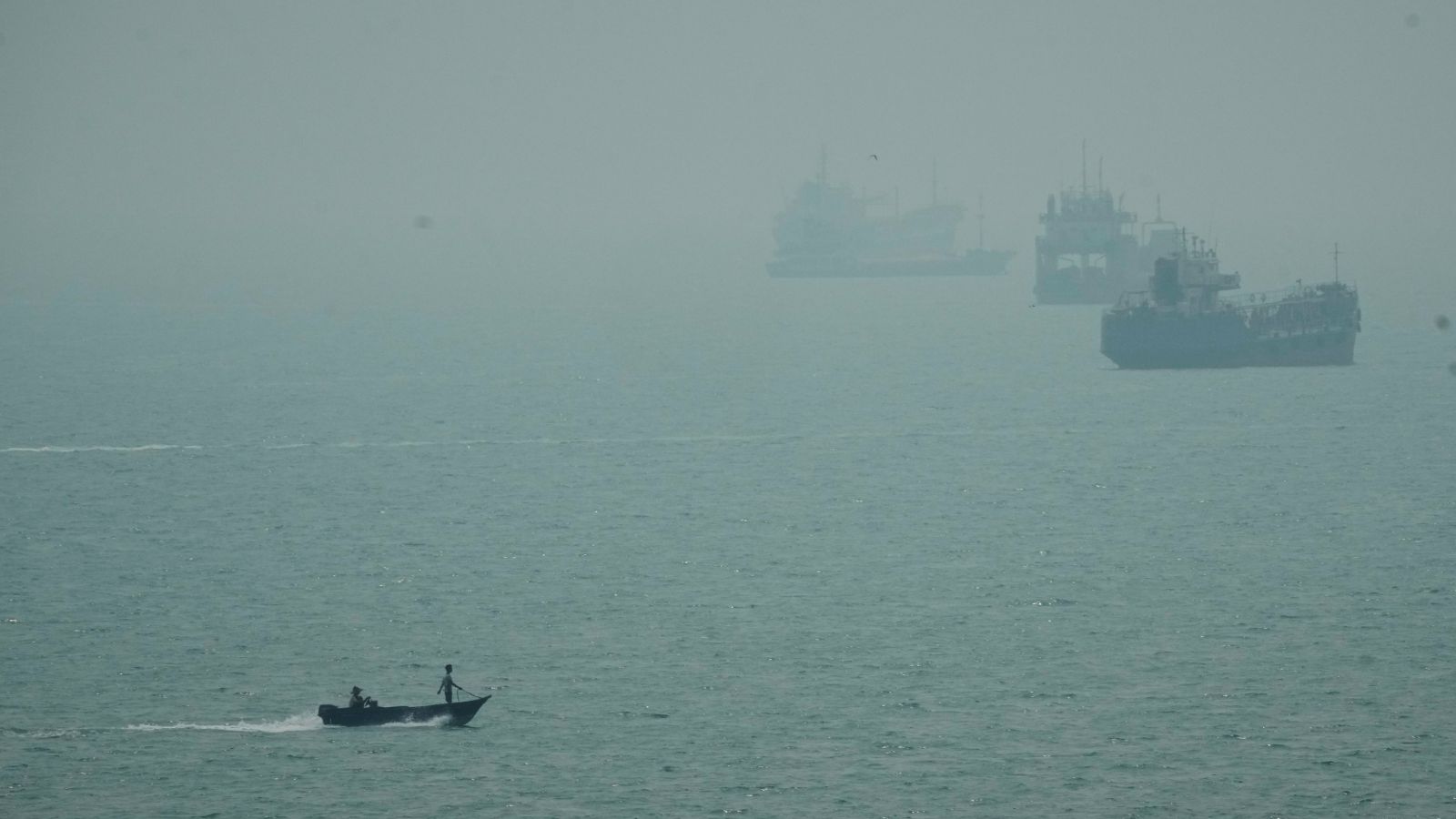
To understand how the Arabian Peninsula arrived at this juncture, one must look past the superficial veneer of routine geopolitical posturing. The White House continues to rely on a punishing naval blockade and sweeping economic sanctions, maintaining that financial attrition starves Tehran of the capital needed to fund proxy networks. Yet, this strategy of maintaining the status quo carries severe collateral damage. Regional economies across the Gulf cooperative framework face contraction, supply chains are strained, and critical maritime shipping lanes through the Strait of Hormuz remain vulnerable to asymmetric disruptions, including floating mines and targeted vessel strikes.
Tehran has responded to the financial squeeze through a combination of diplomatic defiance and military signaling. Iranian security officials continue to reject direct negotiations under current terms, insisting that any durable resolution requires a complete lifting of maritime blockades, the unfreezing of sovereign assets, and structural concessions that Washington and its allies find unpalatable. Tit-for-tat exchanges—ranging from localized infrastructure strikes to electronic and radar skirmishes—demonstrate that both sides are willing to dance along the precipice of open conflict without crossing into total war.
For Saudi Arabia and its neighbors, this dynamic creates an acute dilemma. While Gulf capitals coordinate closely with Western defense apparatuses to intercept incoming ordnance, the persistent threat profile disrupts tourism, commerce, and infrastructure development. The illusion of containment is continually tested by the reality of falling debris in civilian zones and heightened threat levels at international airports from Riyadh to Dammam.
Washington insists that the combination of naval enforcement and secondary sanctions is yielding the desired pressure without necessitating a large-scale troop surge. Critics and regional analysts, however, argue that freezing the conflict in a permanent state of low-intensity friction solves nothing. It merely institutionalizes instability, transforming vital trade corridors into permanent danger zones where a single miscalculated drone strike or erroneous radar interpretation could shatter the fragile equilibrium.
The sirens in Riyadh are a stark reminder that economic scorekeeping on spreadsheets in Washington has a very real, very physical echo on the ground. Until a diplomatic off-ramp addresses the root causes of regional militarization rather than merely managing its symptoms, the Gulf will remain locked in a tense posture of permanent defense.
Trump sees end of war near, Saudi Arabia on alert, and cyberattacks in Europe
This video provides an overview of the ongoing regional security alerts, diplomatic tensions, and the broader international context surrounding the Gulf standoff.


