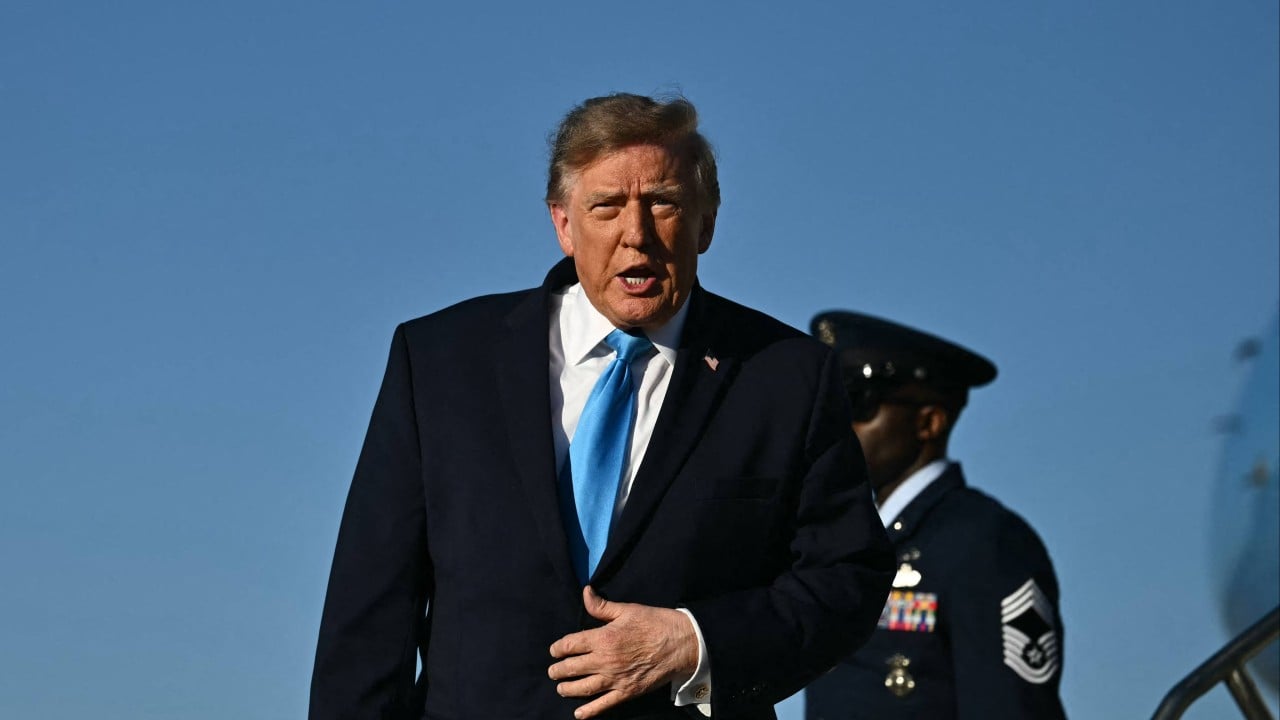
The transition from public stewardship to proprietary promotion rarely happens with a sudden crash. Instead, it arrives quietly on cable television screens during the evening news, packaged as an institutional update but carrying the unmistakable sheen of a personal campaign. When the federal treasury begins footing the bill for broadcast spots that elevate a sitting president's political standing ahead of a high-stakes election, the boundary separating state administration from partisan machinery ceases to exist.
For weeks, millions of dollars in public funds flowed into media markets across the country, buying airtime for spots that critics from both sides of the aisle denounced as thinly veiled propaganda. The mechanism was simple yet audacious. Government agencies authorized the contracts, networks collected the revenue, and viewers watched advertisements stamped with the disclaimer that they were paid for by the U.S. government. Yet the visual language and messaging bore a striking resemblance to standard campaign trail fare, utilizing footage and rhetorical framing designed to burnish an individual's brand rather than impart vital public health or safety data. For a more detailed analysis into similar topics, we recommend: this related article.
This practice did not emerge in a vacuum. Modern political operatives have long understood that institutional credibility acts as an amplifier. When an advertisement carries the implicit weight of the federal government, it bypasses the skepticism that viewers naturally apply to standard super PAC or campaign messaging. The viewer is conditioned to trust an official government announcement. Subverting that trust to achieve political ends represents a calculated gamble, one that tests the resilience of institutional guardrails and the appetite of watchdogs to intervene.
The swift backlash that followed caught few seasoned observers by surprise. Good-government groups, watchdog organizations, and congressional lawmakers immediately sounded alarms, pointing out that federal law strictly prohibits using public monies for partisan self-enrichment or election interference. Lawsuits materialized in federal courts, charging that the administration had crossed a bright constitutional line. Even conservative voices, wary of setting a precedent that future administrations of any party could weaponize, voiced quiet or explicit discomfort. For additional information on this issue, detailed analysis can be read on The Guardian.
Faced with mounting legal peril and a barrage of negative press, an abrupt pivot occurred. Social media pronouncements indicated that a super PAC, rather than the public treasury, would assume the financial burden for the remaining ad buys.
This about-face, however, resolves very little. Shifting the burden of payment to a political action committee does not erase the initial expenditure of public funds, nor does it answer lingering questions about accountability. Critics immediately demanded audits and reimbursement, arguing that refunding the treasury is the only acceptable remedy for what they characterized as an illegal diversion of taxpayer resources. The administration's defensive posture—insisting that the spots constituted standard promotional material akin to campaigns run by prior occupants of the Oval Office—ignores the qualitative difference between broad public service announcements and personalized political branding.
The deeper issue lies in the erosion of institutional norms. Every time a boundary is pushed without immediate punitive consequence, the baseline for acceptable governance shifts. If a sitting executive can utilize federal accounts to saturate airwaves with favorable imagery weeks before ballots are cast, future administrations inherit a playbook that treats public resources as discretionary campaign funds. The legal challenges and judicial blockades that ultimately stall these efforts serve as a necessary check, but they also expose the fragility of the systems designed to keep executive power in check.
Democracies rely on shared assumptions about fairness, neutrality, and the strict separation of party from state. When those assumptions are treated as mere suggestions, the entire apparatus of government begins to look less like an impartial referee and more like an instrument of incumbent survival.
The campaign ads may ultimately find new funding sources, and the courts may issue injunctions to halt the bleeding, but the fundamental damage to public trust remains difficult to repair. Every dollar spent blurring that line makes the next violation easier to justify, dragging the integrity of the state a little lower into the political arena.
Trump Says He'll Pay for Ads After Taxpayer-Funded Backlash
This video provides direct footage and coverage regarding the announcement that the campaign would pivot to private PAC funding following intense public and legal pushback over government-funded advertisements.



