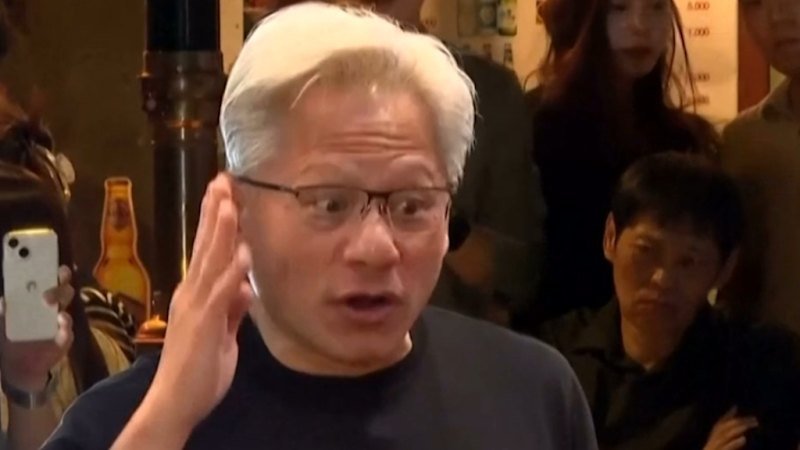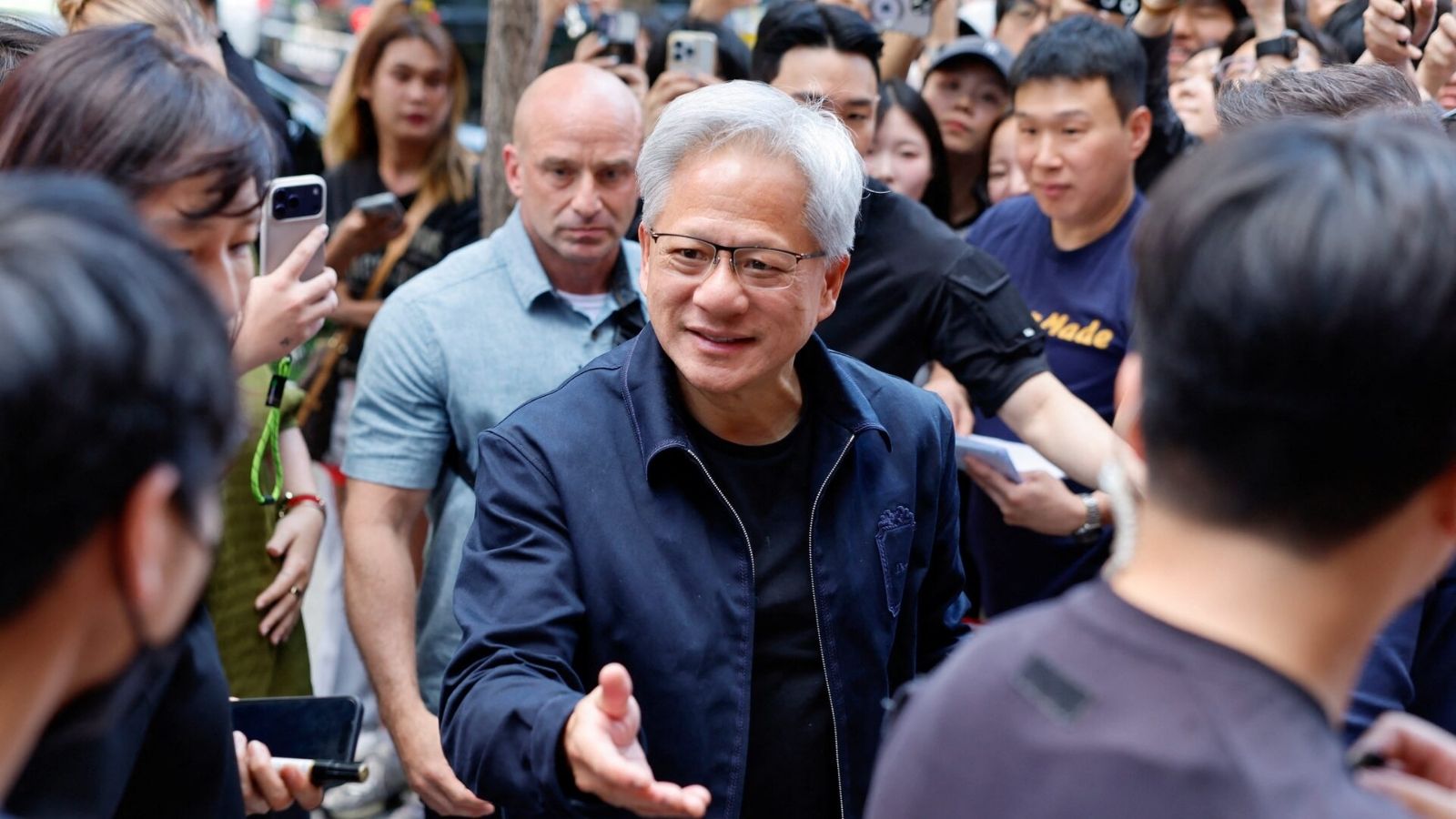
Nvidia says its board is confident that reinstating Jensen Huang as CEO poses no national security risk, citing assurances from senior U.S. government officials just eleven days after his abrupt resignation over an alleged espionage link. That assurance does not settle the crisis. It shifts the battleground from a corporate boardroom to a collision between executive-branch interventions, export control enforcement, and congressional oversight.
Wall Street exhaled when Huang returned on November 23, 2026. Markets had been rattled by his departure following scrutiny over an affair with Alice Huang, an executive at Singapore-based data center operator Megaspeed whom U.S. officials have suspected of ties to Chinese intelligence, an allegation Beijing has denied. Yet a board statement declaring the risk resolved cannot erase unanswered questions about how sensitive chip access, third-country routing, and political influence intersect inside the world's most consequential AI hardware supplier.
Why a Board Statement Cannot Close the File
Boards exist to manage fiduciary risk, not to issue final clearance on statecraft. When Nvidia's directors pointed to "input from senior levels of the United States government" to back Huang's return, they leaned on authority without disclosing who gave the green light or what evidence supported it.
That opacity is a problem for institutional investors and national security hawks alike. Corporate governance analysts have already flagged the optics of restoring a chief executive before underlying reviews and inquiries have run their course. Even with Nvidia pledging cooperation and moving to hire a Chief Compliance Officer reporting to its governance committee, a compliance hire is a structural bandage, not a completed audit.
- Unverified clearance: Public statements note government input, yet leave open whether intelligence agencies, export regulators, or White House officials provided the reassurance.
- Incomplete investigations: Congressional committees and at least one state inquiry remain active, meaning legal and reputational exposure is far from over.
- Founder gravity: Market relief over Huang's return shows how heavily equity valuations still price in a single founder-operator, even when governance guardrails are tested.
The Export Control Loophole Behind the Headlines
National security debates around Nvidia rarely hinge on a single personality alone. They hinge on physics, supply chains, and how fast regulators can write rules compared to how fast firms adapt.
Consider a hypothetical example to see how indirect access works in practice. Suppose a restricted AI accelerator is legally shipped to a data center in a neutral third country, and a foreign entity rents compute capacity remotely over the cloud. Even if no physical crate crosses a restricted border, the practical outcome resembles access to high-end compute.
That exact dynamic explains why export enforcement has been under intense scrutiny. Just days after Huang's initial resignation, the Commerce Department moved to tighten rules aimed at closing loopholes that let Chinese firms tap restricted American chips remotely through third-country data centers. Meanwhile, lawmakers from both parties—including Senators Jim Banks and Elizabeth Warren—have pressed for stricter oversight and legislation such as the AI OVERWATCH Act to keep advanced AI hardware out of China's military and surveillance ecosystem.
At the same time, executive-branch officials have offered sharply different assessments of the threat. White House economic adviser Kevin Hassett argued that even if a limited number of older-generation chips reached unintended hands indirectly, rapid hardware iteration narrows any temporary advantage. Treasury Secretary Scott Bessent, by contrast, faulted Commerce leadership over delays in restricting certain chip shipments to China and adding Megaspeed International to national security blacklists sooner.
When cabinet-level officials trade blame and point in different directions, a two-sentence reassurance from a corporate board looks less like closure and more like wishful thinking.
Washington Pressure Meets Market Leverage
What makes this episode unusual is the open collision between political muscle and market dependency. President Donald Trump publicly urged Nvidia's board to bring Huang back and said his administration provided assurances that Huang is not a national security threat.
From a pure market standpoint, the logic is easy to read. Huang has long served as Nvidia's chief strategist, dealmaker, and public face, and his sudden exit threatened to deepen a broader tech pullback. When a company sits at the center of global AI infrastructure buildouts, its leadership turmoil spills into index funds, pension portfolios, and sovereign computing plans.
Yet mixing presidential lobbying with an active national security controversy creates a tough spot for everyone involved. Critics warn that treating a dominant technology leader as too big to bench weakens accountability across Silicon Valley. Lawmakers on the House intelligence committee have signaled they intend to press Huang directly on what information was shared and what influence flowed in either direction.
A board can reinstate a chief executive in a single vote, but it cannot override bipartisan scrutiny or rewrite export enforcement rules by press release.
💡 You might also like: The Asymmetric Cost Curve of Iranian Aerial Denial
There is also a real gray area that neither cheerleaders nor critics should gloss over. Having a relationship with a person suspected of intelligence ties is a serious red flag that demands rigorous vetting; it is not, by itself, proof of treason or unlawful chip diversion. Conflating suspicion with proven wrongdoing muddies the analysis, just as brushing off legitimate security questions because "the stock went up" ignores real strategic risks.
What Smart Observers Will Watch Next
For investors, policymakers, and enterprise buyers, the real story is no longer the headline claim that no national security risk exists. The real story is whether verifiable guardrails hold up once the initial market bounce fades.
- Testimony and document demands: Watch what emerges when lawmakers question Huang and examine timelines around export approvals, blacklist additions, and third-country data center relationships.
- Compliance teeth: Look past the job title of the incoming Chief Compliance Officer to see reporting lines, audit independence, and authority over sales and cloud-compute partnerships.
- Enforcement follow-through: Track whether Commerce Department restrictions on remote access and third-country routing are backed by real verification and penalties, rather than paper rules.
Nvidia's statement bought its leadership breathing room and calmed a nervous trading floor. Real proof will come from transparent oversight, enforceable export controls, and answers that hold up under oath.