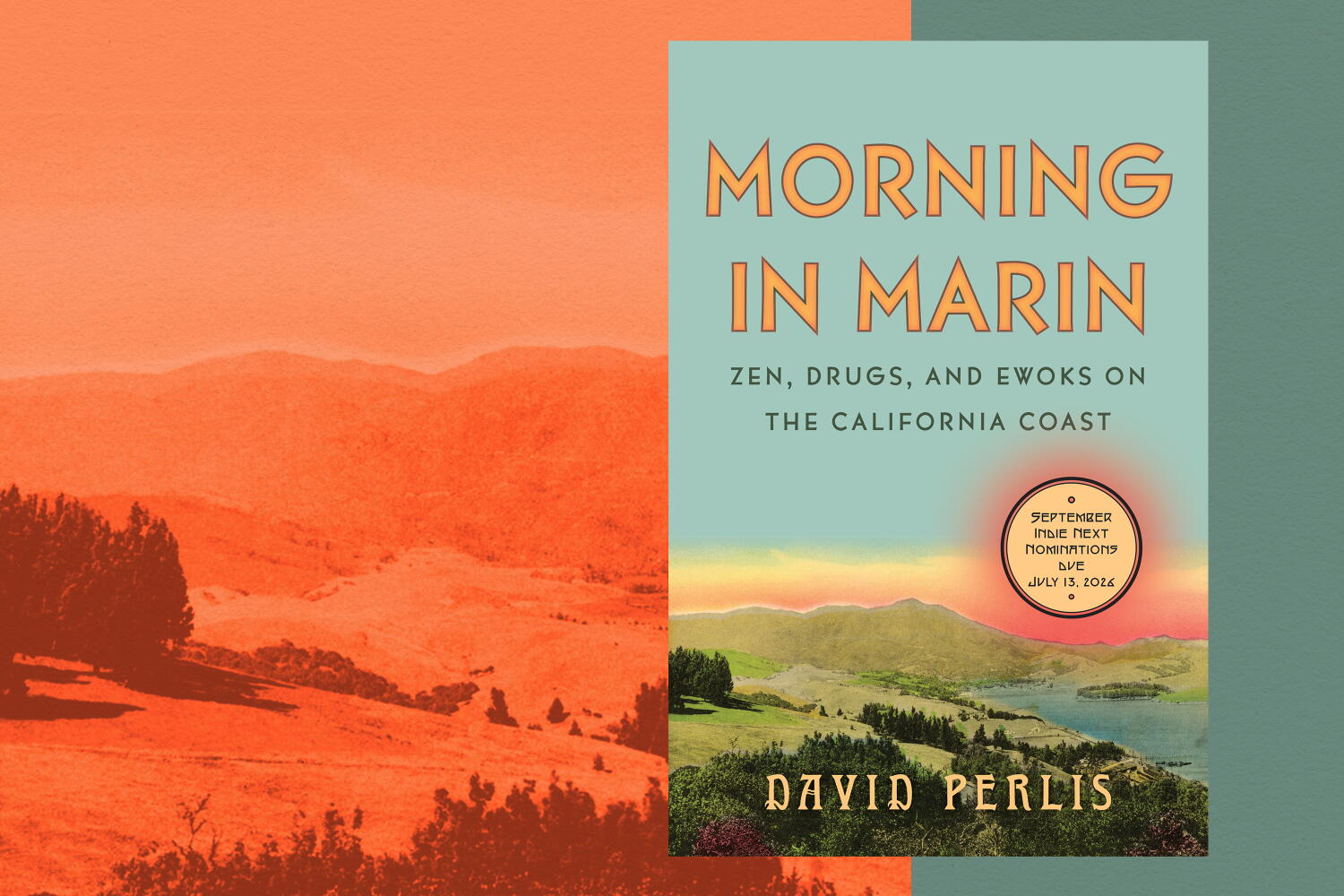
You can still smell the woodsmoke and damp earth if you hike the right ridges of Marin County. Most people drive right past the unmarked dirt turnouts on Highway 1, rushing toward Stinson Beach or Muir Woods with their coffee cups rattling in the console. They have no idea what used to live here. Decades ago, this stretch of Northern California wasn't just a scenic drive. It was an alternative universe. A social experiment built on redwood timber, cheap acid, theatrical excess, and an absolute rejection of suburban boredom.
The story of Northern California's lost bohemian dream gets sanded down into a cute historical anecdote about hippies playing guitars in the woods. That version is lazy. The reality was messier, weirder, and far more ambitious. Painters, actors, filmmakers, and dropouts carved out a literal sanctuary in the canyons. They lived communally, built outrageous treehouses, and accidentally helped design the cultural DNA of modern Silicon Valley. For an alternative look, check out: this related article.
The Blueprint of Coastal Counterculture
Long before the tech billionaires bought up the coastal bluffs, the region belonged to a different kind of visionary. They called it bohemian, but it was really just radical improvisation. You had draft dodgers living next to aging silent-film stars and Ivy League dropouts who traded their trust funds for a chainsaw and a canvas tent.
The geography forced the culture. These damp, steep canyons trapped fog and kept out the mainstream world. Rent was practically zero if you were willing to build your own shack out of salvaged redwood scraps and corrugated tin. People didn't come here to consume culture. They came to manufacture it from scratch. Similar reporting on the subject has been published by Apartment Therapy.
They printed radical poetry on hand-cranked presses. They staged avant-garde plays in forest clearings where the audience sat on rotting logs while raccoons watched from the canopy. It was raw. It was uncomfortable. It was also entirely free from the corporate expectations suffocating the rest of America in the mid-twentieth century.
The Myth of Swimmable Wealth
Money in this bohemian paradise meant something entirely different. The phrase swimmable wealth gets tossed around by local historians to describe the way residents measured prosperity. You didn't count your net worth in stocks or real estate portfolios. You counted it by how deep your spring-fed swimming hole was, how many jars of fermented cider you had in the root cellar, and whether your hand-built cabin survived the winter storms without sliding down the cliff.
People traded labor instead of dollars. A carpenter would fix a neighbor's roof in exchange for a half-gallon of raw goat milk and a stack of freshly chopped firewood.
- The Barter Economy: Cash was scarce, but skills were currency. Plumbers traded pipe work for pottery lessons.
- Off-Grid Engineering: Residents built gravity-fed water systems using black irrigation tubing snaking down mountain streams.
- Radical Hospitality: Open doors were standard. If you found a dry porch during a torrential coastal downpour, you were welcome to sleep on it.
This wasn't sustainable forever, of course. Property taxes eventually crept upward. The state started enforcing building codes that outlawed three-story treehouses built out of shipping pallets and driftwood. But for a few golden decades, the economy of the canyon operated completely outside the IRS ledger.
Acid Tests and Forest Theater
You cannot talk about this era without addressing the chemical undercurrent. The counterculture here ran on heavy doses of LSD, cheap wine, and a collective belief that human consciousness was due for a massive software update.
Legendary gatherings took place in abandoned Victorian dance halls and mossy amphitheaters. Ken Kesey and the Merry Pranksters didn't invent this scene; they just brought a megaphone to a conversation that was already happening in the brush. Artists projected liquid light shows against giant redwood trunks while troupes of actors performed plays that lasted three days and made no narrative sense.
George Lucas and other young filmmakers scouted these exact hillsides while looking for texture and grit. Rumor and local lore intertwined so tightly that even today, older residents will swear up and down that the Ewok village scenes from Return of the Jedi were heavily inspired by the actual multi-tiered treehouse architecture tucked into the Marin canopy. Whether that specific rumor holds up under archival scrutiny doesn't really matter. The aesthetic is undeniable. It was high-fantasy living executed with rusty nails and salvaged plywood.
How the Dream Collapsed
Utopias rarely die in a blaze of glory. They usually expire through slow, boring bureaucratic strangulation.
The downfall of this bohemian stronghold was driven by two unstoppable forces: real estate speculation and burnout. As the outside world discovered the raw beauty of the Northern California coast, land values skyrocketed. The quirky cabins that once cost fifty dollars to build suddenly became prime real estate.
Taxes forced out the painters and poets. Developers swooped in, bulldozed the rickety treehouses, and poured concrete foundations for glass-walled architectural compounds designed for hedge fund managers. The wild commons got fenced off with private property signs.
Yet, the ghost of that era still haunts the coast. You see it in the fierce local resistance to strip malls and chain stores. You see it in the stubborn independence of the people who still manage to hold onto rent-controlled corners or ancestral land plots.
If you want to understand Northern California today, stop looking at the neon signs of downtown tech hubs. Walk into the redwoods instead. Listen to the creeks. Look up at the high branches and remember that people once lived up there, entirely convinced they could invent a better world out of fog, wood, and pure imagination.