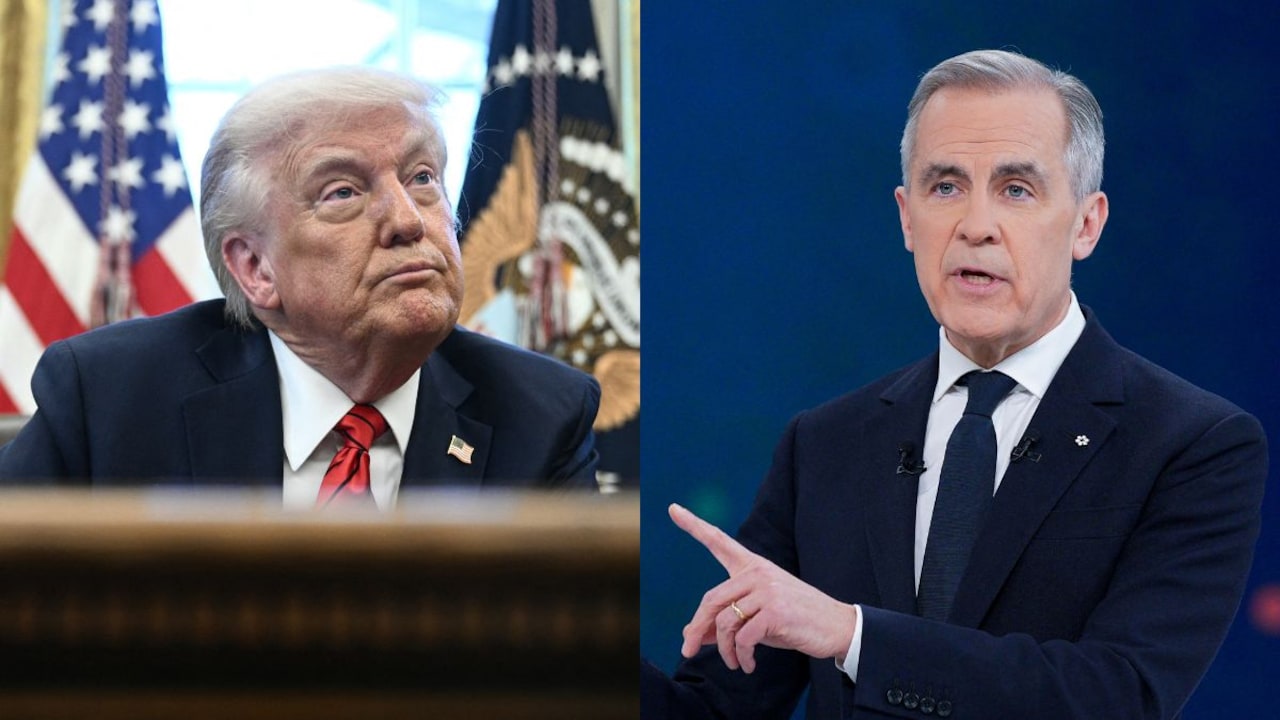
The modern trade war between Washington and Ottawa has moved past the era of diplomatic warnings and landed squarely in the realm of outright economic coercion. When the White House enforced a total ban on roughly one billion dollars worth of Canadian goods—targeting iconic cross-border mainstays like specific dairy products, motor vehicles, and alcoholic beverages—it signaled a structural fracture in the world’s most successful bilateral trading partnership. This was not a routine customs dispute. It was a calculated retaliation against Canadian counter-tariffs, designed to force a sovereign neighbor to bend under administrative pressure. Yet, beneath the headlines of banned whiskey and blocked motorcycles lies a more complex reality that trade statistics alone fail to capture.
For decades, the economic architecture of North America functioned on the premise of frictionless integration. Supply chains crossed the border multiple times before a finished product ever reached a showroom floor. Auto parts, raw lumber, and agricultural staples moved northward and southward as if political borders were merely administrative lines on a map. That foundational trust has evaporated. The introduction of steep, unilateral tariffs on machinery, wood, and paper products, followed swiftly by targeted product bans, has forced manufacturers on both sides of the border to confront an unprecedented operational reality.
Consider the plight of regional supply chain managers who spent thirty years optimizing their logistics for a duty-free environment. Suddenly, they are navigating a shifting labyrinth of punitive duties and regulatory blockades. A manufacturer in the industrial Midwest relying on specialized Canadian components now faces sudden cost spikes that cannot be easily absorbed or passed onto consumers without destroying demand. Economics textbooks often treat tariffs as simple taxes on foreign entities, but the burden is absorbed almost entirely by domestic importers, small businesses, and retail buyers who foot the bill for political posturing.
The political calculations driving this escalation are transparent, yet the long-term strategic consequences remain profoundly misunderstood. By coupling broad tariff regimes with direct import bans, the administration in Washington aimed to compel immediate concessions from Ottawa. Instead, the strategy triggered an immediate response from Canadian leadership, resulting in dollar-for-dollar counter-tariffs on billions of dollars worth of American goods. Trade retaliation rarely prompts capitulation between wealthy, industrialized democracies. Instead, it hardens political resolve, inflames public opinion, and accelerates efforts by the targeted nation to diversify its trade partnerships away from the United States.
This decoupling dynamic represents the quiet danger of the current standoff. When traditional allies spend their political capital erecting barriers against one another, global competitors watch closely and capitalize on the vacuum. Canadian officials have already begun exploring deeper economic integration with European and international markets, hedging against a future where Washington is no longer viewed as a reliable or predictable commercial partner. Once these alternative trade corridors are established and supply chains are rerouted across the Atlantic, they will not easily be undone simply because a future administration decides to normalize relations.
Markets despise uncertainty above all else. While corporate executives publicly posture about resilience, boardrooms from Toronto to Detroit are quietly freezing capital expenditure projects. No rational enterprise will invest millions of dollars in cross-border infrastructure or manufacturing capacity when the rules of engagement can be rewritten by executive decree overnight. The friction of the current trade war is creating a permanent tax on continental efficiency, making North American manufacturing less competitive on the global stage precisely at a time when technological shifts demand maximum agility.
The ultimate irony of the one-billion-dollar import ban is its disproportionate impact. While the prohibited categories—such as niche dairy products and recreational vehicles—stinger individual producers and regional economies, they do little to alter macroeconomic trade deficits. What they do achieve is a steady erosion of institutional goodwill built over generations. Trade wars are easy to initiate through executive announcements and social media declarations, but they are notoriously difficult to conclude without a loss of face for the participants. As legal challenges mount and domestic industries begin lobbying lawmakers for relief from the resulting economic chaos, the true cost of this escalation becomes clear. It is measured not just in dollars, but in the slow, systemic dismantling of continental trust.