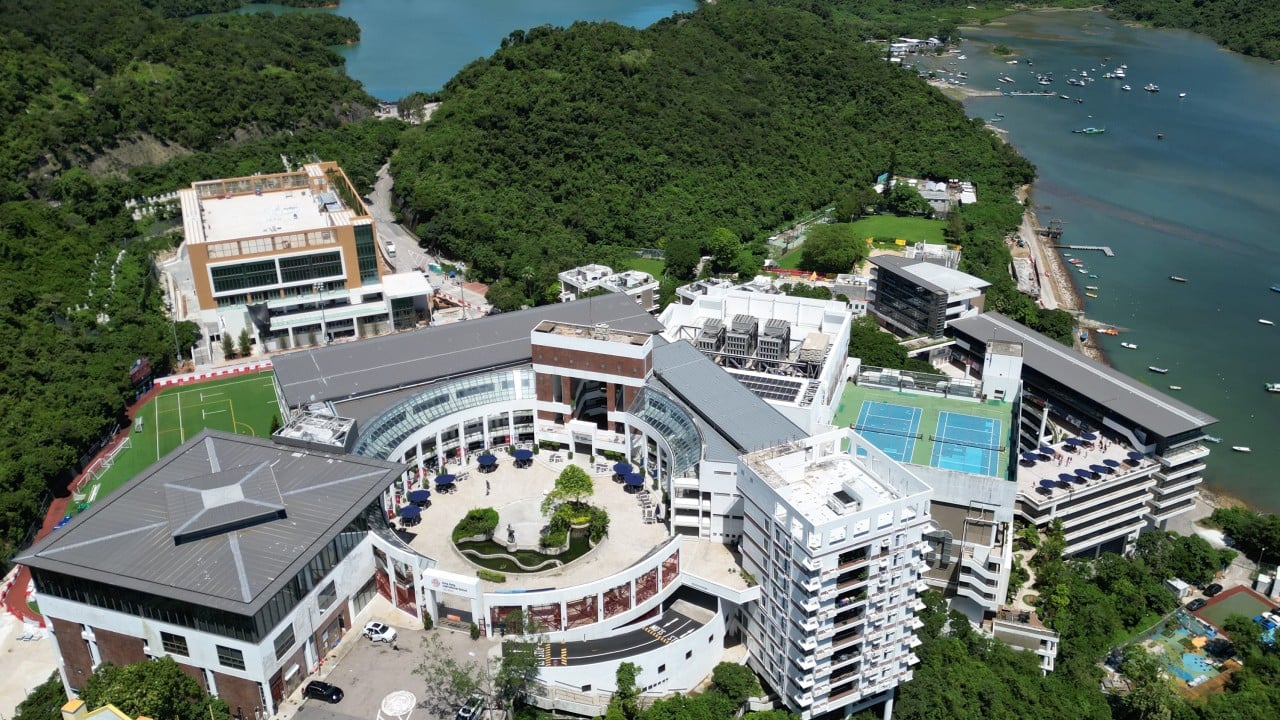
The Hong Kong International School and the Lutheran Church-Missouri Synod have officially settled out of court, bringing a dramatic, multi-year property and governance war to a close. Under the buyout agreement, the US-based church walks away with a substantial monetary settlement reflecting its historical footprint, while the school operator retains control of its physical and academic empire. Yet this resolution closes a chapter on one of the most vicious ideological flashpoints in international education.
Real estate values collided with theological mandates. Corporate governance models crashed into non-profit charters. When a school charging thirty-five thousand dollars a year in tuition sits on land worth over a billion dollars, holy water and high finance are bound to mix. If you enjoyed this article, you might want to read: this related article.
The Anatomy of an Institutional Drift
Decades ago, mission statements were simple. In nineteen sixty-six, the Lutheran Church-Missouri Synod established the institution to provide American-style education rooted in Christian values to the local and expatriate community.
Time changes priorities. The campus at Repulse Bay expanded. Tuition crept upward. Debentures costing millions of local dollars became standard entry tickets for wealthy families. For another angle on this story, see the latest coverage from TIME.
Operational drift happens slowly, then all at once. By the time the church commissioned property valuations in twenty twenty-two, the institution was no longer just a school. It was an elite corporate asset. Financial reserves ballooned past two point eight billion Hong Kong dollars. Annual surpluses approached three hundred million.
Critics inside the church watched tuition outpace ordinary wage growth. They argued that the original ethos of accessibility had been traded for an exclusive country-club model catering to private equity executives.
When Private Equity Boardrooms Meet Pews
Governance structures dictate destiny. The board running the institution featured numerous figures from high finance and private equity, but zero professional educators.
This mismatch triggered deep paranoia within the founding body. Operating agreements drafted in nineteen seventy-four and reaffirmed in later decades were meant to bind the operator to spiritual oversight. Instead, the operator viewed the church as an antiquated hindrance to institutional modernization.
When lawsuits fly, institutional reputations bleed. The legal battle exposed a fundamental paradox of international schooling in global financial hubs. Elite academies require massive capital investments to remain competitive, yet capital accumulation inevitably alters their social profile.
If you price out the middle class to build state-of-the-art science labs and turf fields, you cease to be a community school. You become a luxury good.
The Real Estate Equation That Forced a Settlement
Land is power. The Repulse Bay campus sits on dirt so expensive that normal rules of property management do not apply.
Internal documents revealed that commercial redevelopment of the site could have pushed property valuations past one billion US dollars. When an asset appreciates to that magnitude, organizational loyalty strains under the weight of potential profits.
The church threatened nuclear options. They filed lawsuits to enforce operating rules and floated plans to evict the current operators and launch a brand-new, lower-cost academy on the same grounds.
The operator fought back with public relations campaigns and parallel executive searches, insisting they were wrongfully targeted and maintaining that enrollment remained stable.
Mediation became the only escape hatch. Litigation of this scale threatens the brand equity of an elite school faster than any operational failure. Parents paying top dollar do not want their children's academy dragged through high court headlines for years on end.
The Precedent Set for Global Academies
Foundations across the globe are watching this outcome closely. Religious and charitable sponsors who handed over land rights to independent operators decades ago are suddenly checking their old contracts.
When international schools transform into multi-million-dollar corporate enterprises, the original benefactors realize they hold empty titles while modern managers reap the rewards of real estate appreciation.
The settlement ensures the school continues its current academic trajectory, free from church oversight, while compensating the synod for letting go of its historical claims.
A quiet campus in Repulse Bay returns to normalcy. The tuition checks will clear. The debentures will trade. But the tension between charitable missions and high-end commercial survival remains unresolved across the broader landscape of elite international education.