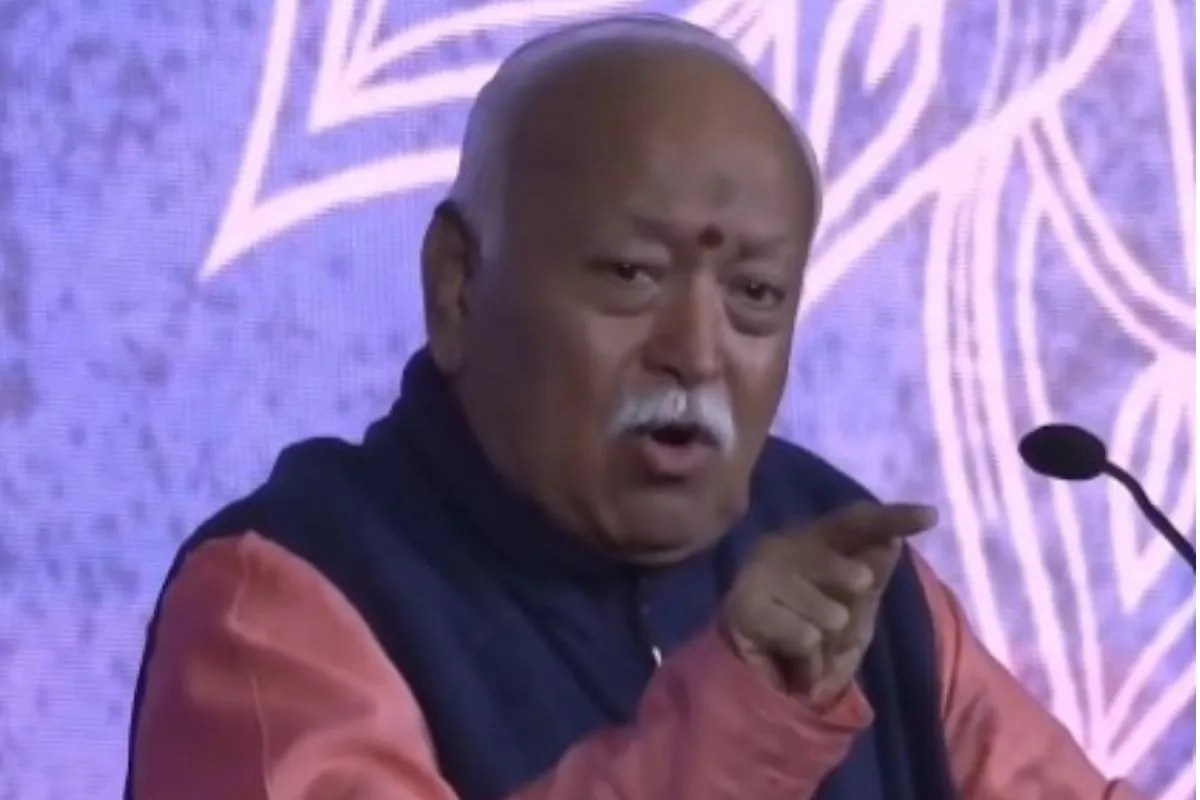
When the chief of the Rashtriya Swayamsevak Sangh, Mohan Bhagwat, stepped onto the stage inside the Infosys Theater at Madison Square Garden for a gathering titled the Universal Oneness Celebration, he walked into a pressure cooker of transnational geopolitics. Outside the iconic Manhattan venue, hundreds of demonstrators—ranging from progressive Hindu advocacy groups and Muslim civil rights organizations to vociferous Khalistani factions—converged to reject the ideological export of right-wing governance from New Delhi to North America. The confrontation transformed a routine diaspora outreach event into a sprawling public spectacle, laying bare how deeply domestic Indian polarization now reverberates on Western soil.
The protests materialized after months of mounting tension within New York’s diverse South Asian communities. Local coalitions, spearheaded by groups like Hindus for Human Rights and the Indian American Muslim Council, mobilized alongside Sikh and Christian organizations to denounce the platforming of a leader whose organization serves as the ideological bedrock for India's ruling Bharatiya Janata Party. Adding official weight to the friction, New York City Mayor Zohran Mamdani publicly criticized the event. While acknowledging that the municipality lacked the legal grounds to cancel a private booking at a commercial arena, the mayor explicitly distanced his administration from an exclusionary political vision.
This local administrative pushback triggered immediate defensive maneuvers from conservative diaspora organizations. The Hindu American Foundation issued safety advisories, urging attendees to remain vigilant and calling out the mayor for allegedly failing to guarantee the civil protection of Hindu Americans exercising their assembly rights. Meanwhile, event organizers from the American Hindus for Engagement and Dialogue framed the gathering around themes of cultural heritage, family values, and communal harmony. They argued that Bhagwat’s international tour is designed to foster cross-cultural understanding rather than project political dominance.
Yet, the reality on the asphalt outside Madison Square Garden bore little resemblance to the serene descriptions found in official press releases. Chaos erupted as fragmented pockets of pro-Khalistan agitators clashed verbally and physically with pro-India counter-protesters. Amid shouting matches and competing megaphones, symbols of national identity were dragged directly into the fray. Footage and eyewitness accounts confirmed instances where the Indian tricolor was targeted and insulted by fringe elements, drawing swift, furious rebukes from patriotic organizations inside and outside the perimeter. The presence of these adversarial factions turned what was supposed to be a cultural showcase into a volatile theater for historical grievances.
This friction point highlights a larger, uncomfortable truth about modern diaspora politics. Overseas communities are no longer insulated safety valves for heritage preservation; they have become active proxy battlegrounds for ideological supremacy. Organizations rooted in the Hindu nationalist tradition have spent years meticulously building institutional roots abroad, funding cultural centers, and cultivating political influence. At the same time, a coalition of minority diaspora groups, progressive academics, and human rights defenders has grown increasingly sophisticated in organizing counter-campaigns, lobbying municipal governments, and demanding institutional accountability from Western democracies.
The timing of Bhagwat’s North American tour could hardly be more sensitive. Just days before the Madison Square Garden gathering, the United States Commission on International Religious Freedom publicly urged the federal government to weigh targeted sanctions against core RSS figures and reconsider the diplomatic status of visiting leadership. Washington rebuffed immediate action, but the policy recommendation signaled a hardening stance among Western policymakers regarding the international export of majoritarian politics. The Indian Ministry of External Affairs swiftly dismissed the commission's findings as biased, maintaining a defensive posture against foreign scrutiny of domestic social policies.
Inside the auditorium, Bhagwat focused his remarks on the concepts of unity in diversity, attempting to recast historical criticisms as misunderstandings of indigenous civilizational ethos. Outside, those words evaporated under the weight of placards reading slogans like "RSS Out of NYC" and the sharp friction of competing nationalisms. As global migration patterns continue to blur the boundaries between local and international politics, the streets of Manhattan proved that no movement can easily transplant its domestic political playbook overseas without importing its opposition right along with it.