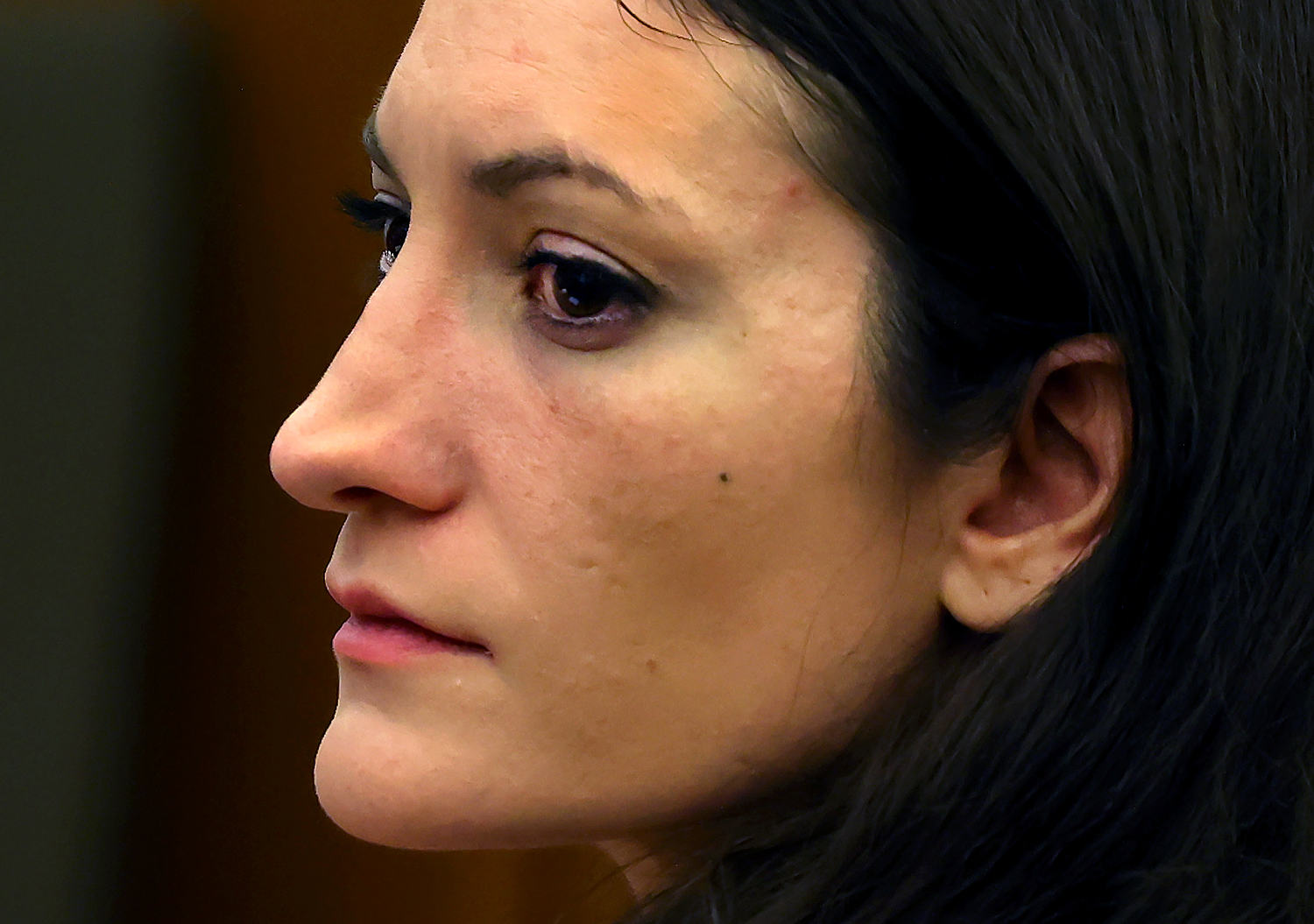
Seven days of deliberations collapsed into pure chaos inside a Plymouth County courtroom when Judge William Sullivan announced he was ready to pull the plug on the high-profile Lindsay Clancy murder trial. But right before making it official, he pumped the brakes and handed the defense a frantic one-hour window to file an emergency appeal.
If you've been following this harrowing case, you know the stakes couldn't be higher. Clancy, a 36-year-old former labor and delivery nurse, doesn't dispute that she strangled her three young children in the basement of their Duxbury, Massachusetts home in January 2023. The entire battle centers on criminal responsibility, with defense attorney Kevin Reddington arguing she was crippled by severe postpartum psychosis, while prosecutors maintain she knew exactly what she was doing. Now, after nearly 40 hours of gridlocked deliberations spanning seven days, the jury hit a brick wall.
Why the Lindsay Clancy Trial Teetered on a Mistrial
The breakdown didn't happen in a vacuum. Tension peaked when the jury foreperson sent a startling note to the judge, revealing that a single juror acknowledged doubt but flatly refused to apply it to the verdict according to the court's instructions. Reddington immediately pushed for the juror's removal, arguing that the individual was acting in bad faith and defying the law.
Judge Sullivan balked at conducting another deep-dive inquiry into the juror, choosing instead to issue a traditional state-level dynamite charge—known locally as the Tuey Rodriguez charge—to push the deadlocked panel back toward a consensus. It didn't work. When the jury returned for a third time stating they remained hopelessly stuck, Sullivan stated plainly that he intended to declare a mistrial.
An audible gasp rippled through the packed courtroom. Then came the twist.
Rather than ending proceedings immediately, Sullivan granted Reddington a precious 60-minute clock to race to the state's highest court. The defense lawyer wanted time to seek a single-justice emergency stay, arguing there was a structural defect in the trial due to the court's refusal to remove the stubborn holdout juror.
What Happens If a Mistrial Stands
People often misunderstand what a mistrial actually means in a murder case of this magnitude. It is not an acquittal.
If a mistrial is officially finalized, the three murder charges against Clancy remain completely alive. She doesn't walk free. Because of ongoing court orders tied to her psychiatric care, Clancy remains confined to Tewksbury Hospital in Massachusetts, where she has been treated since shortly after the tragedy in 2023.
From a strategic standpoint, prosecutors face a grueling fork in the road if the jury is discharged. They can choose to roll the dice on an entirely new trial with a fresh jury, attempt to negotiate a plea deal with the defense, or drop the charges altogether—though legal experts view the latter option as highly unlikely given the gravity of the case. Retrying a case involving complex medical testimonies and high-priced expert witnesses demands massive financial and emotional resources.
For now, the legal system holds its breath. That ticking one-hour appeal window dictates whether this courtroom drama grinds to a temporary halt or resets for round two.