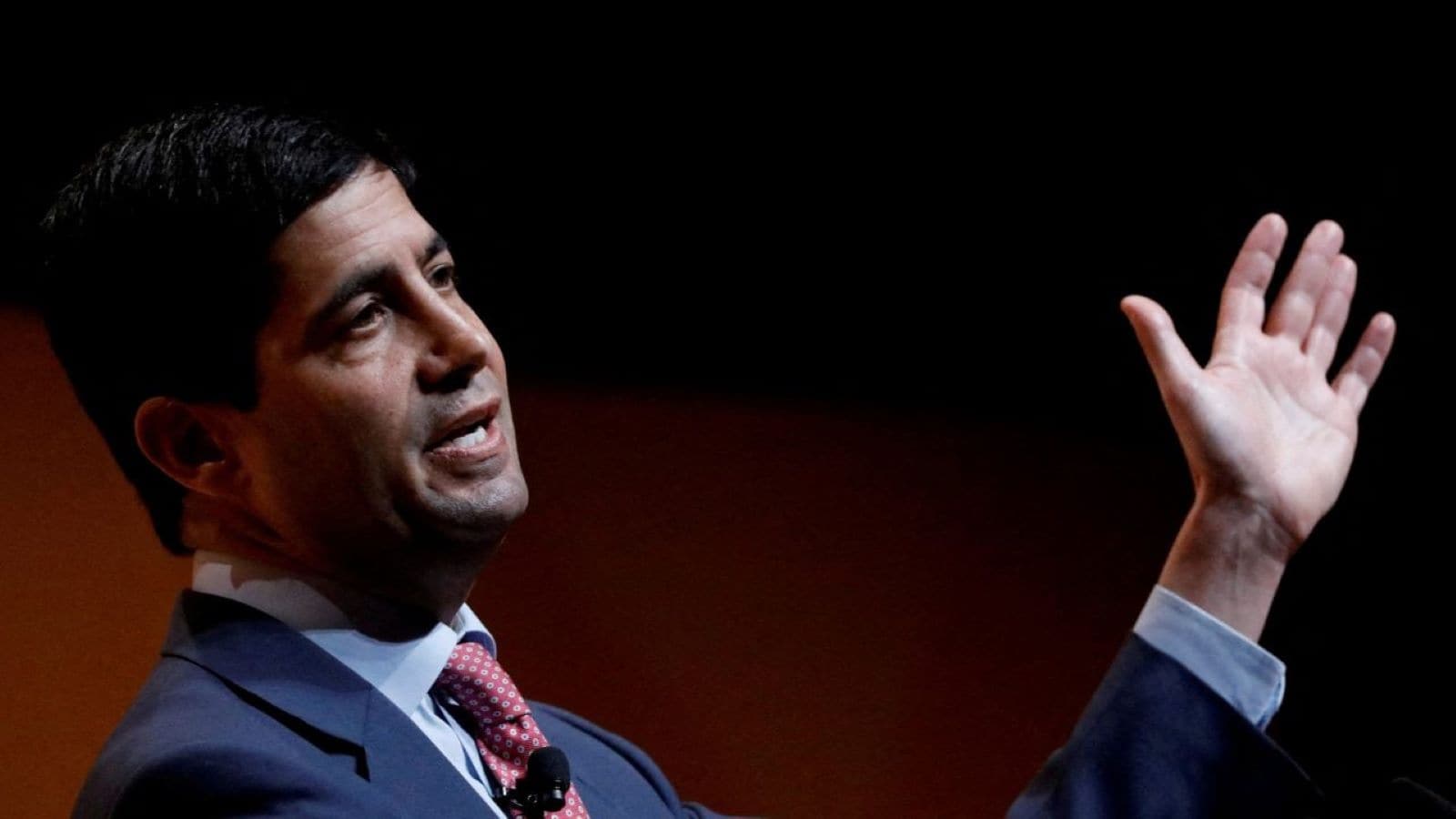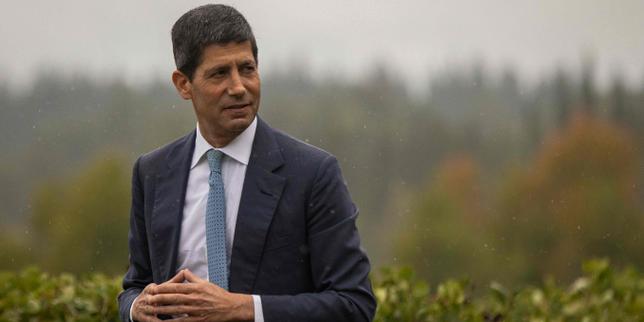
Federal Reserve Chair Kevin Warsh stepped onto the stage at the Jackson Hole economic symposium carrying an institutional burden heavier than any central banker has faced since Paul Volcker. Months into an appointment orchestrated by Donald Trump—a president who treats interest rate reductions as a personal loyalty test—Warsh needed to prove that the central bank’s compass still pointed toward price stability rather than executive branch convenience. His address delivered a sharp hawkish pivot, warning that stubbornly high inflation left the central bank with immediate work to do and opening the door to potential rate hikes. Wall Street scrambled to reprice risk as short-term Treasury yields jumped, yet viewing this speech merely as a demonstration of institutional independence misses a deeper, structural trap.
The real vulnerability of the Warsh Federal Reserve is not direct political subordination, but the dangerous narrowing of monetary policy tools at a moment when fiscal dominance reigns supreme. Meanwhile, you can find related events here: The Fiscal Illusion Why Higher Oil Revenue Cannot Fix a Broken Budget.
For sixty-five consecutive months, the United States economy has lived with inflation prints residing above the central bank's elusive two percent objective. When Warsh took the helm of the institution, financial markets expected a transparent playbook. Instead, the new chair chose silence, abandoning the traditional forward guidance framework that previous chairs used to telegraph every policy twist and turn. Warsh declared that the era of spoon-feeding investors via central bank communication was over, arguing that these crisis-era habits had outlived their usefulness.
This calculated opacity initially fueled deep anxiety. Critics accused Warsh of hiding behind structural task forces to avoid confronting the White House directly, sidestepping the reality that the executive branch wants cheaper borrowing costs to juice growth ahead of upcoming electoral cycles. By the time he reached the podium in the Rocky Mountains, internal dissent had already broken into public view, with three policymakers dissenting at the prior meeting to push for an immediate rate increase. To understand the complete picture, check out the excellent article by The Wall Street Journal.
Warsh attempted to slice through this fog by establishing a hard baseline. He noted that the Fed's preferred Personal Consumption Expenditures price index was running at an annualized pace that leaves little room for complacency, explicitly stating that if underlying inflation fails to decelerate toward the target with sufficient speed, rate hikes remain on the table.
Markets reacted instantly. The implied probability of a September rate increase surged past fifty percent, and fixed-income desks re-evaluated the terminal rate. On paper, the address checked every box required of an inflation hawk. It demonstrated that the chair could look an aligned president in the eye and threaten tighter monetary conditions.
Yet this narrow focus on short-term policy levers obscures the structural crisis playing out in the long-end of the yield curve.
While short-term rates remain anchored by the Federal Open Market Committee, thirty-year Treasury yields have climbed to multi-decade highs. This upward pressure is driven not merely by consumer price indices, but by an unstoppable wave of federal deficit spending and massive debt issuance from the technology sector to finance artificial intelligence infrastructure. Treasury Secretary Scott Bessent was forced into extraordinary debt buyback interventions to stabilize a government bond market buckling under the weight of excessive supply.
Herein lies the core contradiction of the modern central bank. Warsh has repeatedly championed the idea that long-term interest rates should be determined freely by market participants rather than government intervention. Yet when those markets demand higher yields to compensate for out-of-control fiscal deficits, the resulting financial tightening threatens economic stability.
If the Federal Reserve raises short-term rates to combat sticky inflation while the Treasury Department executes buybacks to manage an overwhelming debt load, monetary and fiscal policy pull in opposite directions. This institutional friction strips the central bank of its traditional dominance over the credit cycle.
Warsh's Jackson Hole debut successfully restored a layer of credibility among investors who feared immediate political capture. It proved that the chair retains the institutional vocabulary of independence. But words and hawkish rhetoric cannot alter the arithmetic of sovereign debt issuance. As long as fiscal authorities pump liquidity and debt into the system faster than the real economy expands, the central bank's ability to enforce price stability remains severely compromised, leaving the entire monetary architecture dancing on the edge of a precipice.