The arithmetic of modern geopolitics is written in crude oil barrels and heavy machinery. New Delhi and Moscow are aggressively fast-tracking a new bilateral investment treaty designed to anchor a structural leap toward $100 billion in annual trade and $50 billion in reciprocal investments by 2030.
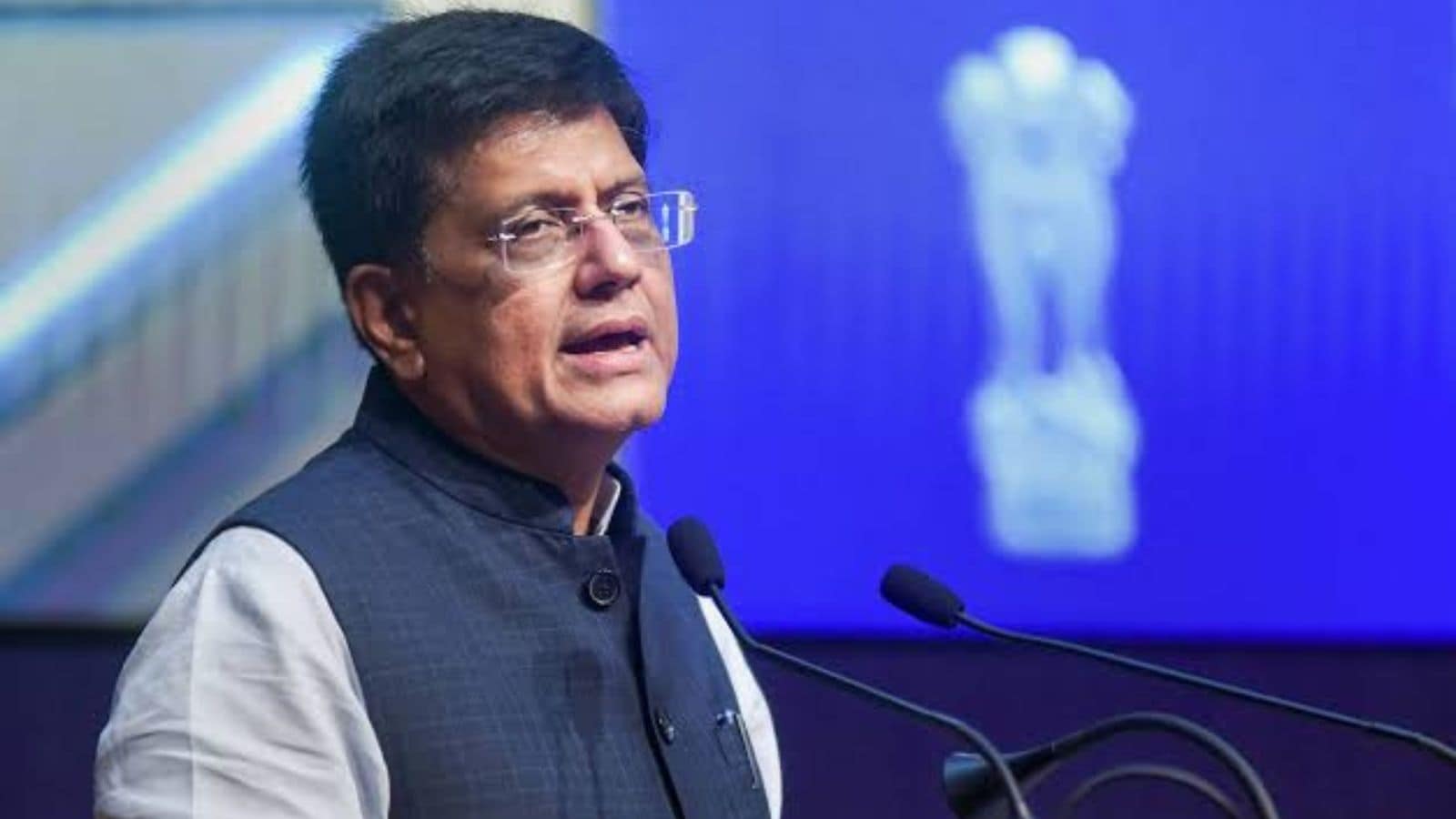
This is not a routine diplomatic handshake. Indian Commerce and Industry Minister Piyush Goyal, speaking alongside Russian counterparts at recent high-level forums in New Delhi, made it clear that the current baseline of roughly $60 billion must expand by an additional $40 billion over the next four years. Achieving this requires consistent double-digit compounding growth. It demands a fundamental reengineering of supply chains, insurance mechanisms, and banking channels that have been fractured by Western sanctions.
For the average observer, the headline number looks like a political aspiration. For corporate strategists and risk analysts, it represents an intense scramble to institutionalize trade corridors that operate entirely outside traditional Western clearing houses. The mechanics of getting there reveal deep economic fault lines, stubborn structural deficits, and a high-stakes gamble on legal shielding.
The Imbalance Problem
Raw numbers mask a chronic structural vulnerability. Trade between the two nations has surged significantly over the past few years, driven primarily by India's voracious appetite for discounted Russian petroleum and fertilizers.
Yet this dynamic creates a severe trade imbalance. Moscow is selling massive volumes of commodities to New Delhi, but Russian demand for Indian manufactured goods, technology, and consumer products has historically lagged far behind. A one-way flow of capital is fundamentally unsustainable over the long term.
To bridge this chasm, Indian officials are pushing for a broader diversification of export baskets. Pharmaceuticals, agricultural commodities like tea, coffee, and spices, automotive components, and engineering goods are being heavily marketed to Russian buyers. Simultaneously, New Delhi wants Russian enterprises to establish direct manufacturing footprints inside India across sectors like advanced manufacturing, mining, and railways rather than simply exporting finished products.
Moving from simple buyer-seller transactions to integrated industrial production is the core mandate. Transitioning that relationship requires absolute trust in how disputes are settled and how capital is protected. Enter the proposed bilateral investment treaty.
The Legal Shield of a New Investment Treaty
International commerce requires predictability. When sovereign risk spikes, private corporations freeze unless guaranteed strict legal protections.
The upcoming bilateral investment treaty serves as the legal bedrock for the $50 billion mutual investment goal. Past investment treaties between India and foreign partners often stumbled over investor-state dispute settlement mechanisms and domestic judicial exhaustion clauses. New Delhi completely overhauled its model investment treaty years ago to prioritize state sovereignty and regulatory space.
Negotiating a treaty under current global conditions means carving out specific paths for asset protection, currency convertibility safeguards, and tax dispute resolution that cannot be easily frozen by third-party Western sanctions. If an Indian pharmaceutical plant operating in St. Petersburg or a Russian energy venture in Gujarat faces sudden regulatory headwinds, the treaty must provide ironclad arbitration pathways. Without this judicial architecture, institutional capital will refuse to move. Major conglomerates do not risk billions on verbal assurances from state ministers. They require binding international legal certainty.
The Currency and Settlement Quagmire
You cannot scale bilateral commerce to $100 billion if you cannot reliably move the money.
Western exclusion of major Russian banks from the SWIFT messaging network forced both nations into experimental territory. Rupees and rubles have been used for direct settlements, but the mechanism is far from frictionless. India accumulated a massive rupee surplus held in special Vostro accounts, creating a pool of capital that Russian entities struggled to deploy efficiently because they could not easily buy equivalent Indian goods or freely convert the currency into other liquid reserves.
Fixing this monetary pipeline involves expanding alternative messaging platforms, deepening local currency liquidity, and encouraging third-country trade balancing. For instance, Russian exporters accumulating rupees must find deep, liquid markets to invest those funds back into Indian government securities, infrastructure bonds, or equity markets. Central bank officials on both sides are quietly refining these clearing protocols to ensure that payment bottlenecks do not choke off physical shipments of coal, oil, and defense hardware.
The Regional Multiplying Factor
Bilateral ambitions do not exist in a vacuum. Trade integration with Russia is tightly linked to broader regional frameworks, most notably ongoing negotiations between New Delhi and the Eurasian Economic Union (EAEU) for a comprehensive free trade agreement.
The EAEU framework—encompassing Russia, Belarus, Kazakhstan, Armenia, and the Kyrgyz Republic—opens a much larger economic zone to Indian MSMEs and agricultural exporters. For a mid-sized Indian manufacturer of engineering tools or processed foods, breaking into the Russian market alone can be logistically daunting. Accessing the entire Eurasian bloc through standardized tariff reductions changes the risk-reward calculation entirely.
At the same time, the International North-South Transport Corridor (INSTC) is finally moving past decades of bureaucratic delays. By routing cargo through Iran and the Caspian Sea, transit times between Mumbai and St. Petersburg are slashed compared to traditional maritime routes via the Suez Canal. Logistics costs dictate margins. If the INSTC achieves operational maturity, the physical barrier to hitting the 2030 target shrinks dramatically.
Realities on the Ground
Skepticism remains entirely justified. Bureaucratic inertia in both capitals has historically torpedoed ambitious economic timelines. Russian industrial capacity is currently consumed by internal domestic pressures and defense priorities, which limits the bandwidth available for outward-bound foreign direct investment into Indian joint ventures. Conversely, Indian private banks remain hyper-cautious about secondary sanctions, often declining to finance transactions involving Russian entities even when those transactions are technically legal under national laws.
Bridging these operational divides requires a profound shift in corporate mindset. Government ministries can set targets, sign framework agreements, and fast-track treaty clauses, but private enterprises execute the transactions. Until mid-sized commercial banks and logistics firms feel completely insulated from compliance blowback, growth will remain concentrated among a handful of state-backed monoliths.
The path to 2030 is paved with structural hurdles that cannot be wished away by political declarations. Every billion dollars added to the ledger tests the resilience of alternative financial plumbing and the durability of legal contracts forged in defiance of global economic polarization. Success depends entirely on whether the private sector follows the state's lead when the political winds shift.