Thirty-two Canadian citizens and permanent residents remain unaccounted for following a catastrophic flash flood along the rugged Himalayan border between Nepal and Tibet. Foreign Affairs Minister Anita Anand confirmed the grim toll during an emergency briefing, placing Ottawa squarely in the middle of an unfolding international search operation. Nearly two thousand people are missing overall, swept away by a sudden torrent of water and mud triggered by a massive bedrock and glacier collapse. As federal officials scramble to deploy consular support to Kathmandu, the crisis highlights a stark vulnerability in how modern travelers register their movements across remote international zones.
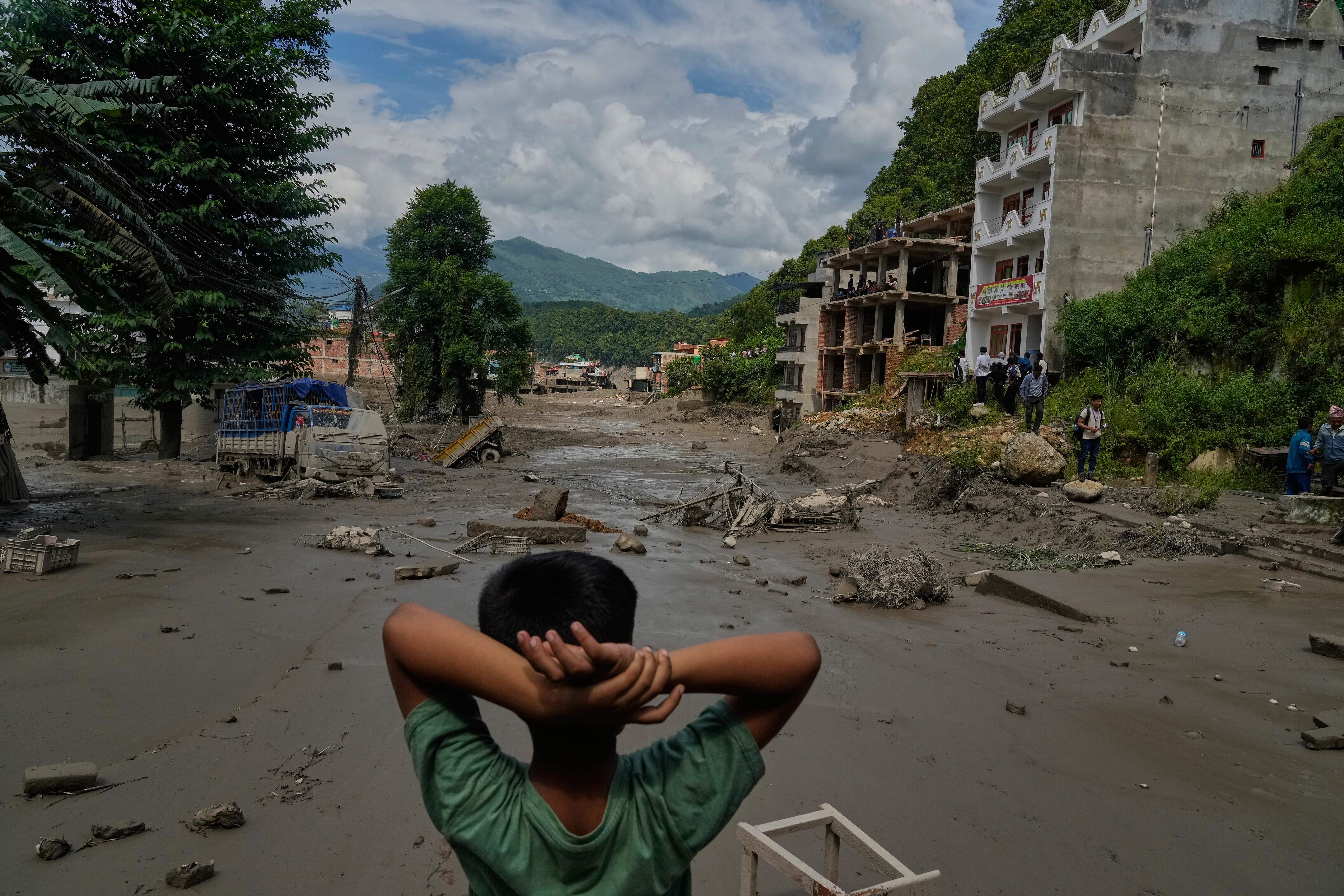
The disaster struck without warning on a Wednesday morning. Satellites later revealed that underground bedrock beneath a high-altitude Himalayan glacier fractured violently, registering a magnitude 5.2 seismic event. Billions of tons of ice, rock, and melted water cascaded down into the valleys below, obliterating villages, hydroelectric infrastructure, and mountain passes in seconds. In places like Timure and the Gyirong Port corridor, survivors described an apocalyptic black wave that erased entire communities before residents had time to process the ground shaking beneath their feet.
The Disconnect in Official Numbers
Official tallies of missing persons rarely match in the immediate aftermath of a mass casualty event. Ottawa reports thirty-two missing Canadians and permanent residents, yet local Nepalese tourism boards and district authorities carry lower numbers on their regional lists. This discrepancy is not merely bureaucratic confusion. It points to a structural failure in tracking independent travelers who drift past official checkpoints.
Many of the missing Canadians were on spiritual journeys, independent treks, or exploratory vacations far removed from large group tours. When individuals book modular travel—arranging local guides, regional transport, and private lodgings independently—they often slip through the data collection frameworks of host nations.
Global Affairs Canada has repeatedly urged citizens to use the Registration of Canadians Abroad service. Yet compliance remains remarkably low. Travelers prize spontaneity and freedom, viewing government registries as unnecessary red tape until disaster strikes. When communication lines are severed and concrete structures are buried under thirty feet of compacted mud, a missing person database becomes a guessing game built on frantic phone calls from relatives thousands of miles away.
The Geography of Impenetrable Terrain
Rescuers facing the wreckage along the Bhotekoshi River basin confront an engineering nightmare. Heavy machinery cannot easily reach the hardest-hit zones because access roads have been entirely sheared away by mudflows. Military helicopters and drone-dropped rescue squads are the only connection to survivors trapped near damaged hydropower tunnels and remote guesthouses.
Compounding the immediate danger is a secondary threat looming high above the disaster zone. A natural barrier lake, formed when debris dammed an upstream river following the initial collapse, has begun to overflow. Authorities in both Nepal and China issued urgent warnings for rescue workers and remaining villagers to evacuate lower ground, fearing that a secondary breach could wipe away whatever makeshift search camps currently stand.
Canada has committed five million dollars in humanitarian aid to support emergency relief efforts on the ground, alongside a team of consular officials dispatched directly to Kathmandu. Money and diplomatic presence, however, cannot accelerate the physics of excavation through mountainous debris fields.
The Reality of High Risk Adventure Travel
The appetite for remote Himalayan tourism has grown exponentially over the past decade. Travelers seek out raw, untamed landscapes, looking to escape commercialized tourist hubs. That very desire for isolation, however, creates exponential risk when climate-driven geological anomalies occur. Glacial lake outburst floods and seismic mountain failures are becoming more frequent as high-altitude permafrost thaws and weather patterns destabilize alpine regions.
Families waiting for news in suburban living rooms across Canada are left in a brutal vacuum of information. Local officials sift through morgue photographs displayed on improvised boards in Kathmandu hospitals, searching for identifying marks on bodies pulled from the gray slurry. Every hour that passes lowers the statistical probability of finding survivors trapped in air pockets beneath the wreckage.
The federal government can deploy resources, coordinate with international allies, and fund local red cross societies, but the underlying vulnerability remains unaddressed. As long as global citizens venture deep into ecologically volatile mountain corridors without reliable tracking mechanisms or localized check-in protocols, disasters of this scale will continue to expose the absolute limits of consular protection when nature decides to wipe the slate clean.