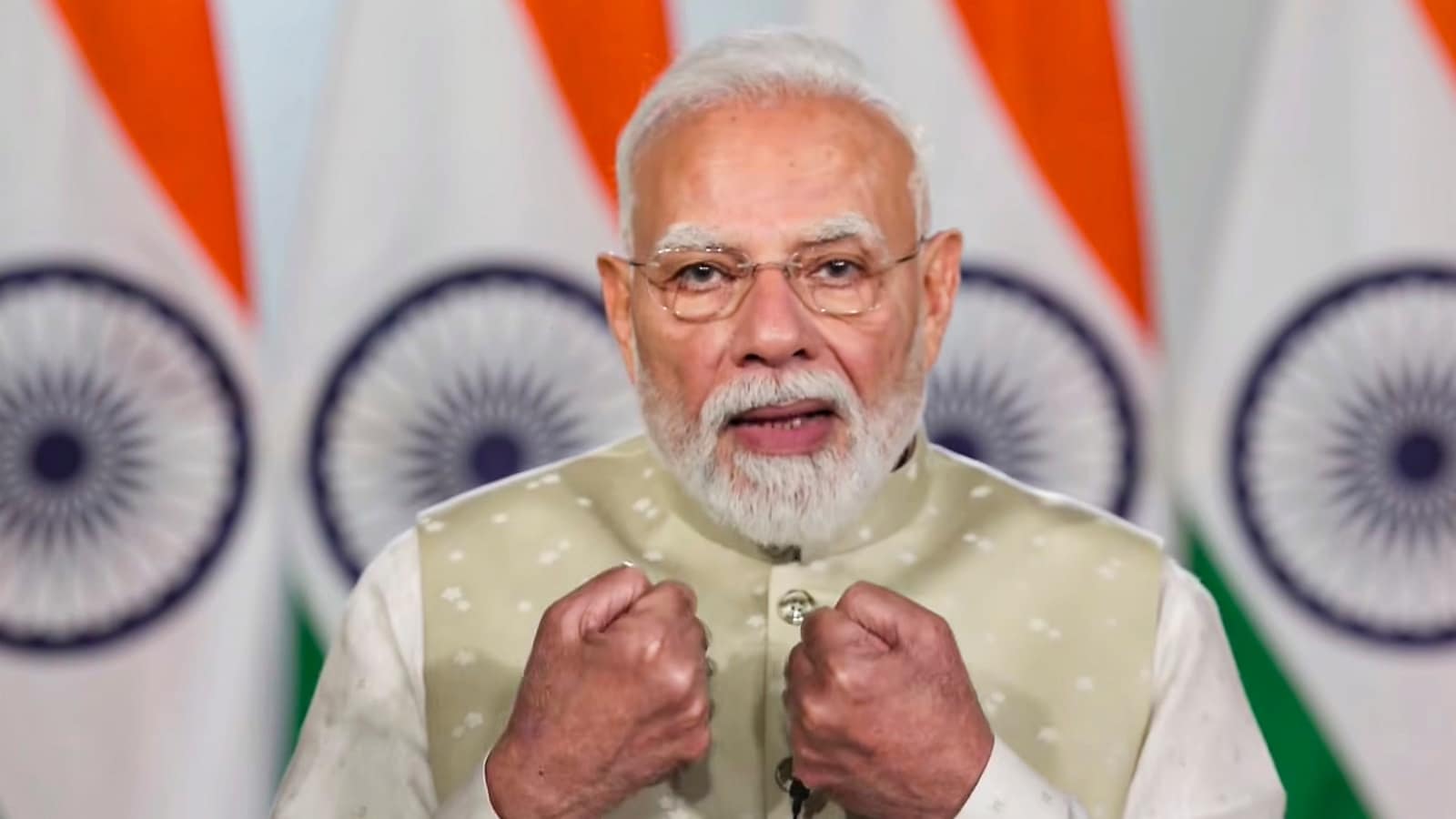
Indian Prime Minister Narendra Modi and Iranian President Masoud Pezeshkian are holding their first face-to-face bilateral talks on the sidelines of the Shanghai Cooperation Organisation summit in Bishkek. This crucial diplomatic encounter arrives in the shadow of a grinding regional conflict ignited by United States and Israeli military strikes against Iran earlier this year. As Tehran maintains its defiant posture and warns of a decisive response to ongoing Western aggression, New Delhi finds itself walking a diplomatic tightrope. India must balance deep historical and economic ties with Iran against its strategic security partnerships with Washington and the Gulf Arab states.
The conflict has transformed the geopolitical architecture of West Asia and Central Asia. When the initial wave of US and Israeli strikes hit Iranian infrastructure, it shattered a fragile status quo and triggered retaliatory drone and missile fire targeting American positions across the region. President Pezeshkian, touching down in the capital of Kyrgyzstan, faces an audience of regional heavyweights seeking stability. He carries a message that Tehran does not seek total war, yet remains unyielding in the face of continued military pressure. For India, which depends heavily on regional stability for energy security and the safety of millions of expatriate workers, the stakes could not be higher.
The Chabahar Conundrum and Economic Realities
Trade and connectivity remain central to the dialogue between New Delhi and Tehran, even as secondary economic pressures mount. The expiration of specific United States sanctions waivers for the strategic Chabahar port has severely complicated bilateral commerce. India has invested heavily in developing this maritime gateway as a trade bypass around Pakistan to reach Afghanistan and Central Asia. Yet, the ongoing military friction with Washington makes continuous infrastructure financing an uphill battle.
New Delhi cannot simply walk away from its investments. The Chabahar corridor represents an irreplaceable strategic asset for projecting influence into landlocked Central Asian republics—nations that are also core members of the Shanghai Cooperation Organisation. President Pezeshkian understands this dependency. Tehran views India as an independent voice capable of resisting Western economic hegemony within multilateral blocs like BRICS and the Shanghai grouping.
However, economic pragmatism dictates strict limits. Indian commercial banks remain intensely risk-averse, terrified of triggering secondary sanctions from Washington.
- Bilateral trade volumes have shrunk under the weight of financial restrictions.
- Energy imports from Iran dropped to zero following the complete termination of previous waivers.
- Maritime insurance rates for commercial vessels navigating near the Strait of Hormuz have skyrocketed.
Navigating the Gulf and Western Matrix
India’s diplomatic dance extends far beyond its bilateral ledger with Iran. New Delhi has spent years cultivating deep strategic, intelligence, and energy partnerships with Gulf Cooperation Council members, including Saudi Arabia and the United Arab Emirates. When Iranian retaliatory strikes targeted regional infrastructure housing American military assets, the Gulf states looked to partners like India for solidarity.
Prime Minister Modi has consistently maintained a policy of multi-alignment rather than military alliance. This approach permits simultaneous engagement with sworn adversaries.
"India has cultivated the rare diplomatic luxury of talking directly to Washington, Tehran, Riyadh, and Moscow without breaking trust in any single capital."
👉 See also: The Bay of Bengal Power Play
Yet, maintaining this balance gets harder by the day. Tehran expects friendly nations within forums like BRICS to explicitly condemn Western military actions. Simultaneously, Washington expects its partners to enforce isolation protocols against the Iranian government. Prime Minister Modi’s primary objective in Bishkek is to urge restraint, advocate for unhindered energy transit, and insulate South Asia from the inflationary shocks of a prolonged conflict.
Regional Security and Multilateral Leverage
The Shanghai Cooperation Organisation summit provides the ideal cover for these delicate negotiations. By anchoring discussions within a broader Eurasian framework, both leaders can frame their talks around regional security rather than bilateral defiance against Western pressure. Russia, itself heavily sanctioned and aligned with Tehran, watches these developments closely, eager to solidify alternative trade routes across the continent.
President Pezeshkian’s rhetoric before leaving Tehran emphasized that independent regional powers must forge unified economic and security frameworks to withstand external shocks. For Prime Minister Modi, the summit offers an opportunity to reiterate that dialogue and diplomacy remain the only viable exit ramps from the current cycle of escalation. Whether these closed-door conversations in Kyrgyzstan can temper Tehran's promise of decisive retaliation against ongoing US actions will determine the immediate economic trajectory of the entire neighborhood