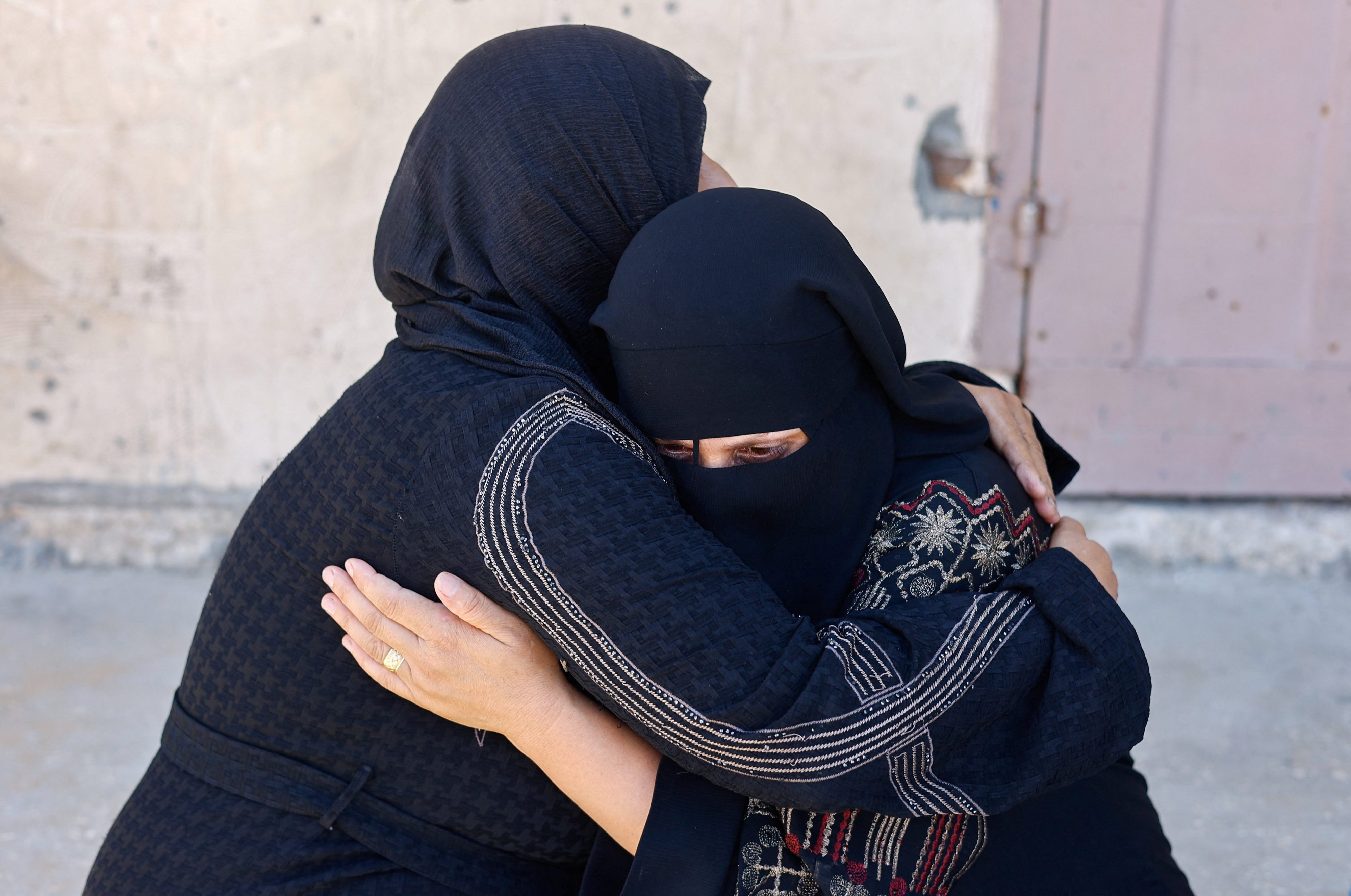
An Israeli airstrike flattened two medical storage warehouses belonging to the Al-Aqsa Martyrs Hospital in Deir al-Balah, destroying critical pharmaceutical stockpiles and intravenous solutions while displacing hundreds of families sheltering in adjacent tents.
This morning's assault is not an isolated tactical error. It represents the structural continuation of a systemic campaign targeting what remains of Gaza's healthcare infrastructure. When munitions obliterate storage structures containing dialysis fluids, intensive care consumables, and basic wound-care supplies, the impact extends far beyond the immediate blast radius. It transforms chronic disease into an acute death sentence. In similar updates, take a look at: Transnational Repression The Long Reach of Beijing and the Collapse of Sovereign Borders.
The Anatomy of an Inventory Wipeout
Modern warfare rarely targets hospitals with conventional carpet bombing anymore. Instead, the attrition strategy relies on precision strikes directed at the logistical arteries supporting medical facilities.
Consider the mechanics of the Deir al-Balah strike. The facility relied on temporary metal-sheet structures because importation blockades have long prevented the delivery of concrete, steel beams, and proper civil engineering components. When high-explosive ordnance hit these makeshift warehouses, the physical destruction was absolute. Two warehouses were erased completely, leaving a crater more than twenty meters deep, while two others sustained severe structural compromises. USA Today has provided coverage on this critical issue in great detail.
The logistical reality of Gaza makes inventory replacement nearly impossible. Supplies do not sit on local shelves waiting for a purchase order. Every carton of dialysis fluid or line of antibiotics requires complex international coordination, bureaucratic clearance at border crossings, and hazardous transport through active zones. When a single morning strike erases months of accumulated medical reserves, the deficit cannot be bridged by local procurement. It creates an irreversible void.
The Collateral Displacement Crisis
The destruction of hospital-adjacent property exacts a dual toll on civilian survival. Thousands of displaced Palestinians had erected temporary canvas and plastic sheet tents directly outside the Al-Aqsa Martyrs Hospital compound, seeking the illusory safety of a medical zone.
The shockwave and flying shrapnel from the pre-dawn bombardment tore through dozens of these civilian shelters. Families already displaced multiple times found their belongings incinerated or buried under rubble.
International humanitarian law grants explicit protections to medical facilities and the displaced populations sheltering within their perimeters. Yet, the normalization of evacuation warnings issued mere minutes before an impact has turned compliance with legal frameworks into a theater of impossibility. How does a population of vulnerable, bedridden patients, dialysis candidates, and exhausted families evacuate an entire hospital sector in less time than it takes a single vehicle to start?
Operational Paralysis in the Health Sector
Hospital administrators across the enclave face an impossible operational matrix. According to regional health authorities, roughly half of Gaza's operational healthcare capacity has been forced offline.
The remaining facilities operate without stable power grids, relying on dwindling fuel supplies for generators that are themselves frequent targets of administrative restriction or military action. When the supply chain for basic consumables—gauze, antiseptics, anesthesia, and intravenous salt solutions—is systematically disrupted, surgeons are forced to make triage decisions that violate every tenet of medical ethics.
Operations are performed without anesthetic. Wounds are dressed with unsterilized cloth. Patients suffering from kidney failure face reduced dialysis cycles because the machines must be rationed based on the remaining volume of fluid filters.
The Israeli military routinely defends such actions by asserting that targeted areas harbor militant assets or operatives. Yet, independent verification of these claims remains virtually impossible under current access restrictions, leaving human rights investigators to measure the outcome by its tangible footprint: dead civilians, displaced families, and hollowed-out medical reserves.
As diplomatic channels stall and negotiations over disarmament and territorial control drag on between mediators and combatants, the ground-level reality deteriorates into a slow-motion systemic collapse. The destruction of a warehouse in Deir al-Balah is logged as a single entry in a daily casualty report, but for the thousands dependent on its contents, it represents the final threshold of survival crossed into unmitigated disaster.