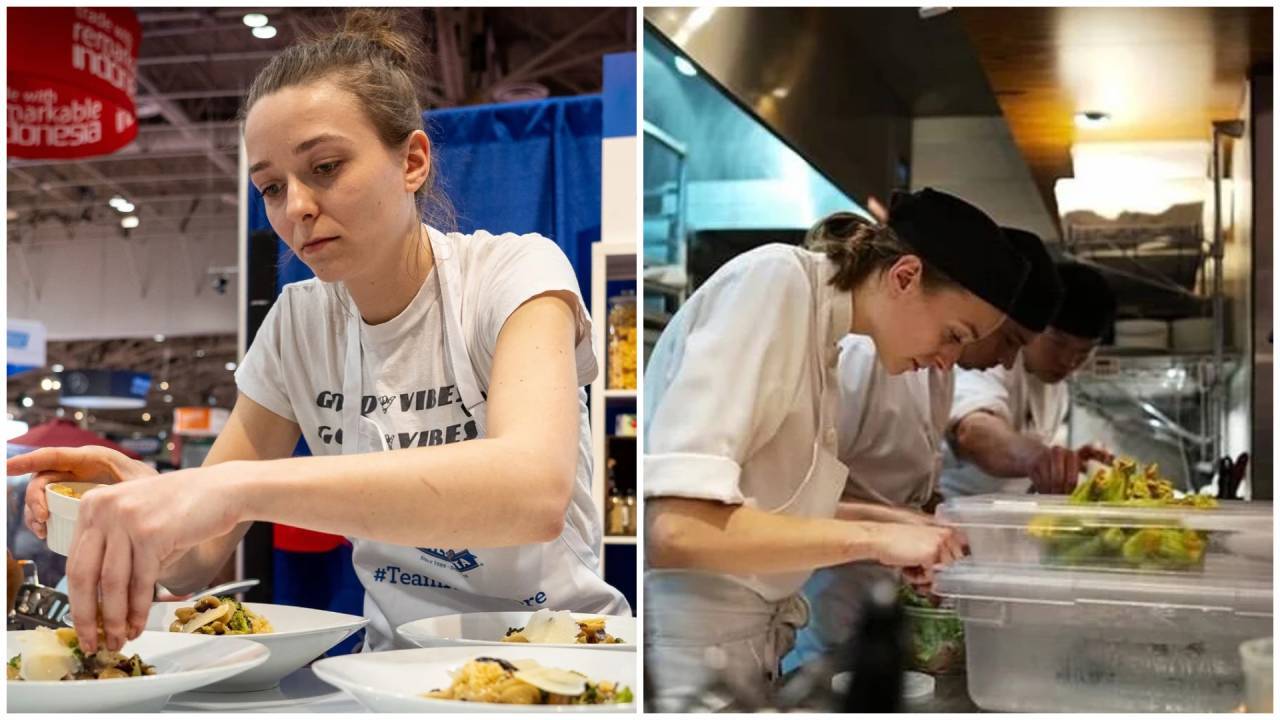
Every Tuesday in downtown Toronto, chef Maddy Goldberg steps into the kitchen at Fort York Food Bank and cooks 100 free meals using whatever ingredients happen to sit on the shelves. She left high-pressure restaurant kitchens behind—including a three-year stint at Aloette—after watching massive amounts of edible food get thrown into the trash while treating cooking like a contact sport. By building a private dining business and recipe platform that pairs low-waste discipline with weekly community cooking, she exposes a structural rot inside modern restaurant culture.
Heartwarming profiles love to frame stories like Goldberg's as pure feel-good inspiration. That framing misses the real story. When a trained line cook walks away from prestige restaurants to cook 100 free meals every Tuesday out of food bank inventory, it is not just an act of generosity. It is an indictment of how commercial kitchens run, how food waste gets normalized, and why charity alone cannot fix structural hunger.
The Cowboy Mentality Inside Commercial Kitchens
Spend enough years inside busy restaurant kitchens and the glamour wears off fast. Long shifts, razor-thin margins, high turnover, and relentless pressure to chase accolades define the environment. Goldberg spent three years at Aloette after culinary school and quickly saw what drove the floor: cooks treating food like a sport and operating with a cowboy mentality where grinding through exhaustion was treated as proof of worth.
That culture extracts a steep personal toll. Many talented cooks burn out, walk away from the stove altogether, or trade high-stress dining rooms for private catering, consulting, or independent food businesses where they control their hours and workflow. Leaving a prominent kitchen is often misread by outsiders as giving up on ambition. Inside the trade, walking away from a grueling brigade can be a survival tactic.
Why Restaurant Food Waste Is a Math Problem and a Moral One
Walk behind almost any high-volume restaurant at the end of a service and you will see usable ingredients headed for the bin. Trimmings that could become stock get tossed because nobody has the labor hours to reduce them. Over-prepped proteins or delicate greens hit their holding limit and go straight into the garbage.
Goldberg has pointed directly to how jarring that waste felt from the inside. In commercial dining, over-ordering and over-prepping often act as insurance against running out of a popular dish mid-rush. Yet throwing away food is also throwing away money. When she shifted to private dinners—cooking for smaller groups with exact menus—her waste dropped to pennies per event, allowing her to turn tight menu planning into savings and direct ten percent of each dinner's revenue to a charity chosen by the host.
| Kitchen Model | Primary Ingredient Sourcing | Waste & Cost Dynamic | Social & Community Impact |
|---|---|---|---|
| High-Volume Restaurant | Wholesale purveyors and scheduled prep orders | High prep volume increases spoilage and trim waste | Indirect or occasional charity events; high labor intensity |
| Private Dining & Content | Tailored client menus and small-batch buys | Tight portion planning limits trim and excess waste | Direct revenue share or charitable tie-ins per booking |
| Food Bank Meal Prep | Surplus, donated, and variable pantry stock | Improvised menu design prevents usable stock from spoiling | Direct weekly meals for clients, staff, and volunteers |
Cooking Without a Recipe at the Food Bank
Showing up to a food bank kitchen without a set menu flips standard culinary training upside down. Restaurant chefs usually work backward from a fixed menu: order exact quantities, prep to specification, plate identically every time. At Fort York Food Bank, Goldberg arrives without knowing what inventory is available that day and has to build lunch for roughly 100 people from whatever arrives.
That constraint forces real culinary adaptability. A bin of lentils can become soup, dal, curry, or fritters depending on what aromatics, fats, or grains are on hand. Shakshuka or stews can absorb vegetables that need to be used right away. Good technique matters most when there is no specialty purveyor on speed dial. Knowing how to season, build acid and fat balance, and cook starches or legumes properly turns basic pantry staples into hot, comforting food.
Consider a hypothetical example of a pantry drop that includes dented cans of crushed tomatoes, bulk dry lentils, a crate of wilting spinach, and day-old loaves of bread. A rigid cook complains about missing ingredients. A pragmatic cook simmers the lentils with spices and tomatoes for protein and body, wilts the greens at the end so they do not turn to mush, and toasts the bread with oil and garlic for texture. No fancy equipment required. Just judgment and basic technique.
What Viral Food Philanthropy Gets Wrong
Short-form videos showing chefs turn donated groceries into rich, photogenic meals have built massive online audiences—Goldberg's food bank prep clips have drawn roughly 180,000 Instagram followers. Sharing that work brings attention to food insecurity and shows viewers how to stretch everyday ingredients at home.
There is a catch, though. Viral clips can make systemic food insecurity look like a clever cooking challenge that a charismatic chef can solve with a skillet and a good attitude. It cannot. A volunteer cooking 100 lunches once a week helps people on that day, yet food banks themselves exist because wages, housing costs, and social support systems leave families short on groceries.
- Volunteer limits: One chef's weekly shift depends on personal schedule, health, and business stability.
- Pantry volatility: Donated food fluctuates wildly in nutrition, freshness, and variety, making balanced meal planning unpredictable.
- Root causes: Free hot lunches ease immediate hunger, while policy, income, and affordable housing shape long-term food security.
Goldberg's background in social work—which she studied before leaning fully into culinary work and content creation—gives her a clearer view than most food influencers. Cooking meals does not replace public policy or economic security. Still, feeding people well with dignity beats treating charity food as second-rate scraps.
Practical Lessons for Kitchens and Home Cooks
Anyone watching this shift from traditional dining rooms to community kitchens does not need to quit their job to apply its lessons. Commercial operators and home cooks alike can tighten how they buy, prep, and share food.
- Audit your trim and spoilage for one week. Track every pound of food thrown out before it reaches a plate. Look for patterns in over-prepped items or neglected produce.
- Cross-utilize ingredients across dishes. Plan menus and weekly grocery lists so stems, tops, grains, and proteins carry over cleanly into a second meal.
- Match ambition to real capacity. Burning out on unsustainable hours or over-complicated menus hurts quality and longevity far more than keeping things simple and consistent.
Watch the stove, not the camera. Real change in how we feed people starts with what gets wasted in the prep sink and who gets a hot meal at noon.