The debate over how the coronavirus pandemic started isn't slowing down. Republican lawmakers are continuing their aggressive push into the origins of COVID-19, and a backup copy of a device used by the nation's former top infectious disease expert is now in Congressional hands.
Senator Ron Johnson of Wisconsin, who chairs the Senate Homeland Security Permanent Subcommittee on Investigations, stated that a backup copy of Anthony Fauci's iPhone has been obtained. This device was utilized by Fauci during his long tenure leading the National Institute of Allergy and Infectious Diseases, which covered the critical early phase of the global health crisis in 2020. Building on this topic, you can find more in: The Anatomy of State Alignment and National Security Prerogatives.
How the Device Reached Capitol Hill
The transfer of the backup file came through the Department of Health and Human Services. The timeline of this investigation has featured sharp legislative clashes, intense partisan division, and public showdowns on Capitol Hill.
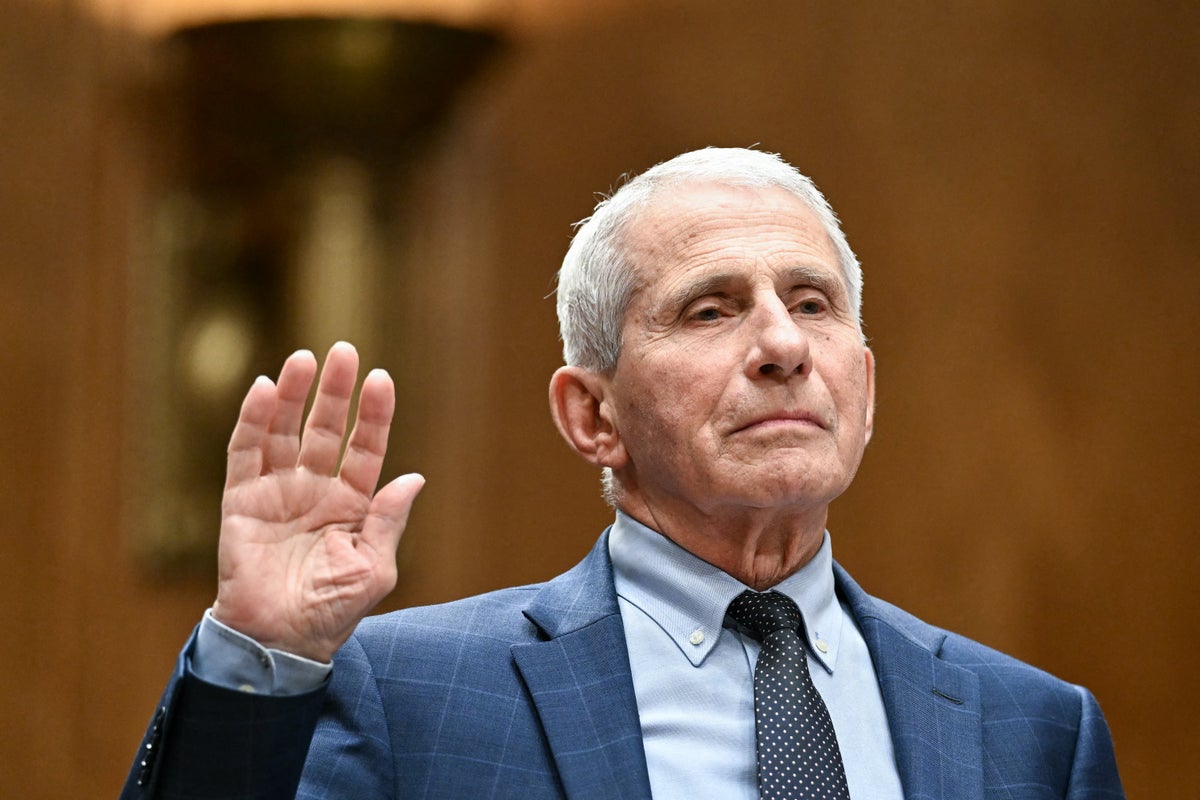
Earlier, Fauci appeared before lawmakers where he invoked his Fifth Amendment right not to testify after facing a hostile line of questioning. Relations between the veteran scientist and Republican committee leaders like Senator Rand Paul have been strained for years. Paul and other critics have accused Fauci of trying to deflect attention away from the lab leak hypothesis, pointing to early email exchanges, journal excerpts, and grant funding allocated to research groups working with foreign facilities. Observers at Reuters have also weighed in on this trend.
On the other side, scientists and Democratic lawmakers have consistently defended Fauci. A large coalition of researchers previously signed open letters criticizing what they called an unfair vilification of public health officials. They argue that scientific evidence points heavily toward a natural spillover origin, specifically through animal markets where wild animals were sold.
The Core Arguments on Both Sides
The debate boils down to two main competing theories that have divided experts and politicians alike since 2020.
- The Natural Spillover Theory: Many scientists argue that the virus originated in bats and jumped to humans via an intermediate animal host at a wet market in Wuhan, China. Proponents point to similar historical outbreaks, such as SARS and MERS, which followed natural zoonotic pathways.
- The Lab Incident Theory: Critics and certain congressional investigators argue that the pathogen could have accidentally escaped from the Wuhan Institute of Virology, a facility that studied bat coronaviruses with partial funding from U.S. government grants.
Fauci has maintained that the specific research funded by U.S. grants under his agency involved molecular structures far too distant to have transformed into SARS-CoV-2. Yet, skepticism remains high among congressional critics who want every digital record, text message, and internal memo reviewed.
What Comes Next for the Probe
With the backup device now secured by the Senate panel, investigators intend to comb through communications to see if any new light can be shed on early internal government discussions. Whether these files contain definitive answers or merely fuel existing political arguments remains to be seen. Independent scientific consensus continues to show a split, with various intelligence agencies holding differing levels of confidence regarding the exact source of the pandemic.
The struggle over records, accountability, and the origins of a global crisis highlights the deep friction between federal health agencies and congressional oversight committees that will shape policy debates for years to come.