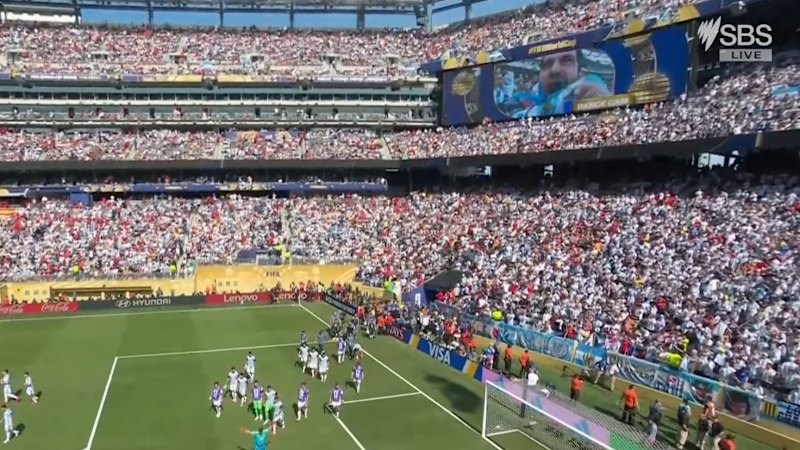
The global football ecosystem is fracturing under the weight of administrative hubris. FIFA's relentless expansion of the World Cup has triggered unprecedented rebellion from players, managers, and domestic leagues caught in the crossfire of commercial greed.
Behind closed doors in Zurich, the governance model has shifted from administration to raw accumulation. The primary driver is not sporting merit, but the pursuit of infinite financial growth on a finite calendar. Every extra match added to the tournament blueprint translates to broadcast revenue spikes and sponsorship expansion. Yet this short-term fiscal harvest ignores the structural damage inflicted on the athletes who actually generate the value.
When organizations scale competitions without expanding the calendar, they cross a physiological threshold. Muscles tear. Ligaments snap. The human body has hard biological limits that no amount of sports science can bypass.
The Economics of Exhaustion
Look past the glossy marketing campaigns and examine the ledger. The expanded World Cup format guarantees more fixtures, which directly translates to bloated broadcast rights packages sold to media conglomerates and streaming giants. FIFA operates as a transnational corporate entity masquerading as a non-profit sporting federation. Its primary obligation is feeding capital reserves back to national associations to secure voting loyalty during presidential elections.
Domestic leagues built the modern financial powerhouse of football. The English Premier League, La Liga, and Serie A generate the weekly engagement that keeps fans hooked year-round. But FIFA and UEFA treat these domestic ecosystems as bottomless resource wells.
- Player Burnout: Elite professionals now routinely play upwards of seventy matches per year when combining club duties, continental competitions, and international windows.
- Squad Dilution: To cope with the physical toll, clubs must amass massive, expensive squads, widening the competitive chasm between financial superpowers and modest clubs.
- Ticket Price Inflation: Fans bear the brunt of the funding model, paying exorbitant ticket prices and multiple subscription fees just to watch their teams survive a grueling campaign.
The math simply does not balance. You cannot continuously extract more energy from a closed system without triggering systemic collapse.
The Physiology of the Breaking Point
Sports scientists and orthopedic surgeons have sounded alarms for years. Elite football is faster, more intense, and more physically demanding than at any point in history. Pressing systems require high-intensity sprints over ninety minutes, turning every match into a high-speed collision course.
When recovery windows shrink from seventy-two hours to forty-eight hours, cellular repair processes fail to complete. Micro-trauma accumulates in tendon fibers.
"We are asking human beings to perform at maximum athletic output under conditions designed for machinery, not flesh and blood."
Consider the data emerging from major European medical departments. Anterior cruciate ligament injuries have surged among top-tier male and female players. The correlation between fixture congestion and catastrophic joint failure is direct and undeniable. Stars are missing major tournaments not through bad luck, but through sheer structural exhaustion.
FIFA responds by proposing better recovery guidelines and sports science advisory boards. These measures act as bureaucratic band-aids over a gaping wound. No recovery protocol replaces a genuine off-season. When players spend their rare summer breaks traveling across continents for lucrative promotional friendlies or expanded international tournaments, the degradation accelerates.
The Revolt of the Dressing Room
For decades, players accepted the grueling schedule because the financial compensation matched the physical cost. That social contract is now broken.
Locker rooms are no longer silent. High-profile captains and managers have started using post-match press conferences to launch direct attacks on governing bodies. When the people generating the spectacle openly accuse administrators of treating them like commodities, the power dynamic shifts.
Strikes and legal challenges are no longer theoretical concepts whispered in players' lounges. Labor unions across Europe have initiated consultations regarding antitrust violations and health-and-safety breaches. If governing bodies refuse to negotiate calendar caps, the courtroom will become the new battleground for the soul of the sport.
The friction extends to managers who find themselves caught between club owners demanding trophies and medical staff warning of impending injury crises. A manager cannot implement tactical innovation when their primary job description is triage management.
The Geopolitical Chess Match
Why does FIFA persist despite universal condemnation? The answer lies in global political alignment.
Football governance operates on a one-nation, one-vote system. A small island nation with zero footballing pedigree holds the same voting weight at the FIFA Congress as football powerhouses like Brazil, Germany, or Argentina. To maintain power, leadership must distribute wealth down to smaller confederations—Africa, Asia, and Oceania.
Expanding the World Cup grants these smaller nations a greater chance of qualification and a larger share of development funds. From a pure realpolitik perspective, the strategy is brilliant. It buys perpetual political survival for the executive committee.
The collateral damage is the competitive integrity of the tournament itself. Group stages risk becoming bloated exhibitions featuring mismatched opponents, diluting the drama that made the tournament a global phenomenon in the first place.
The Point of No Return
Football stands at a historical crossroads. The current trajectory leads toward a fractured landscape where elite clubs, exasperated players, and exhausted fans may eventually seek alternatives outside the traditional federation structure.
The governance model requires radical decentralization. Calendar caps must be legally enforced. Independent medical panels must hold veto power over fixture scheduling.
Until administrators recognize that the long-term health of the sport matters more than the immediate balance sheet, the quiet rebellion in dressing rooms will grow louder, transforming into a roar that even Zurich can no longer ignore.