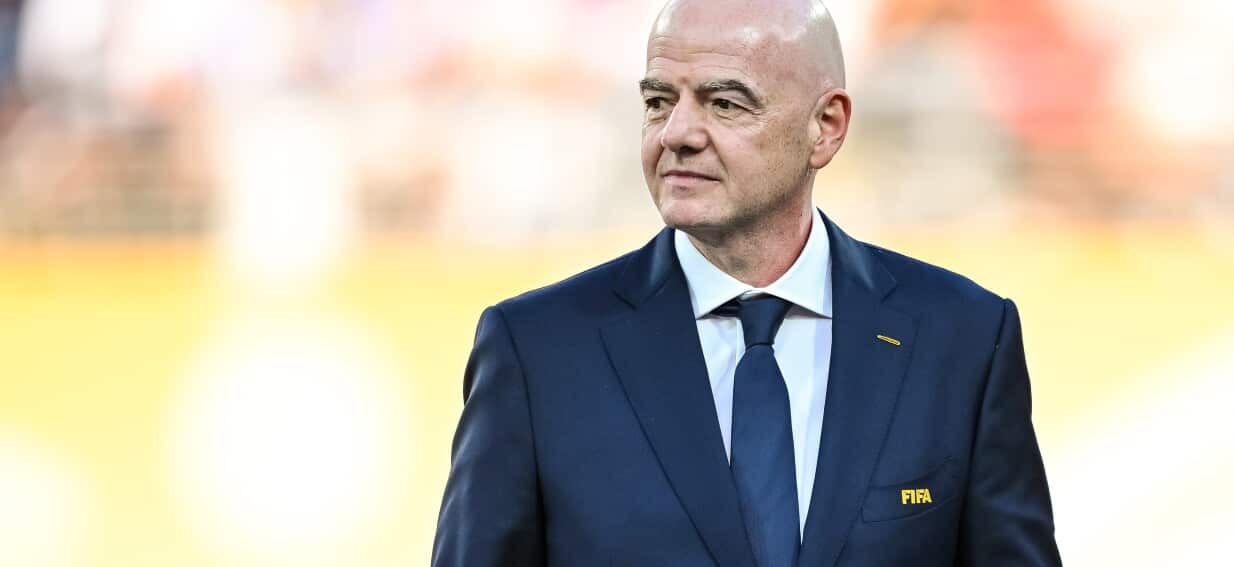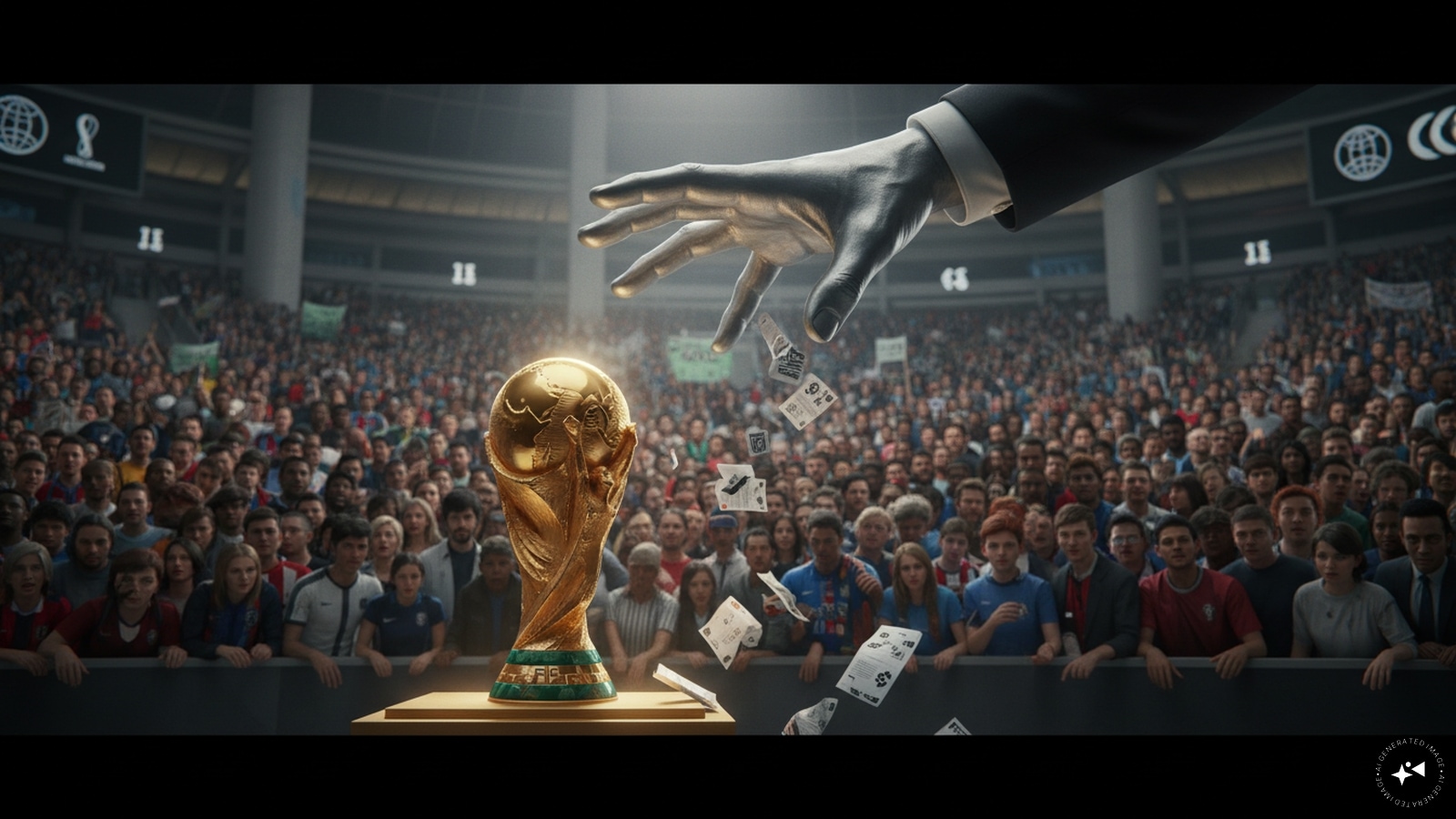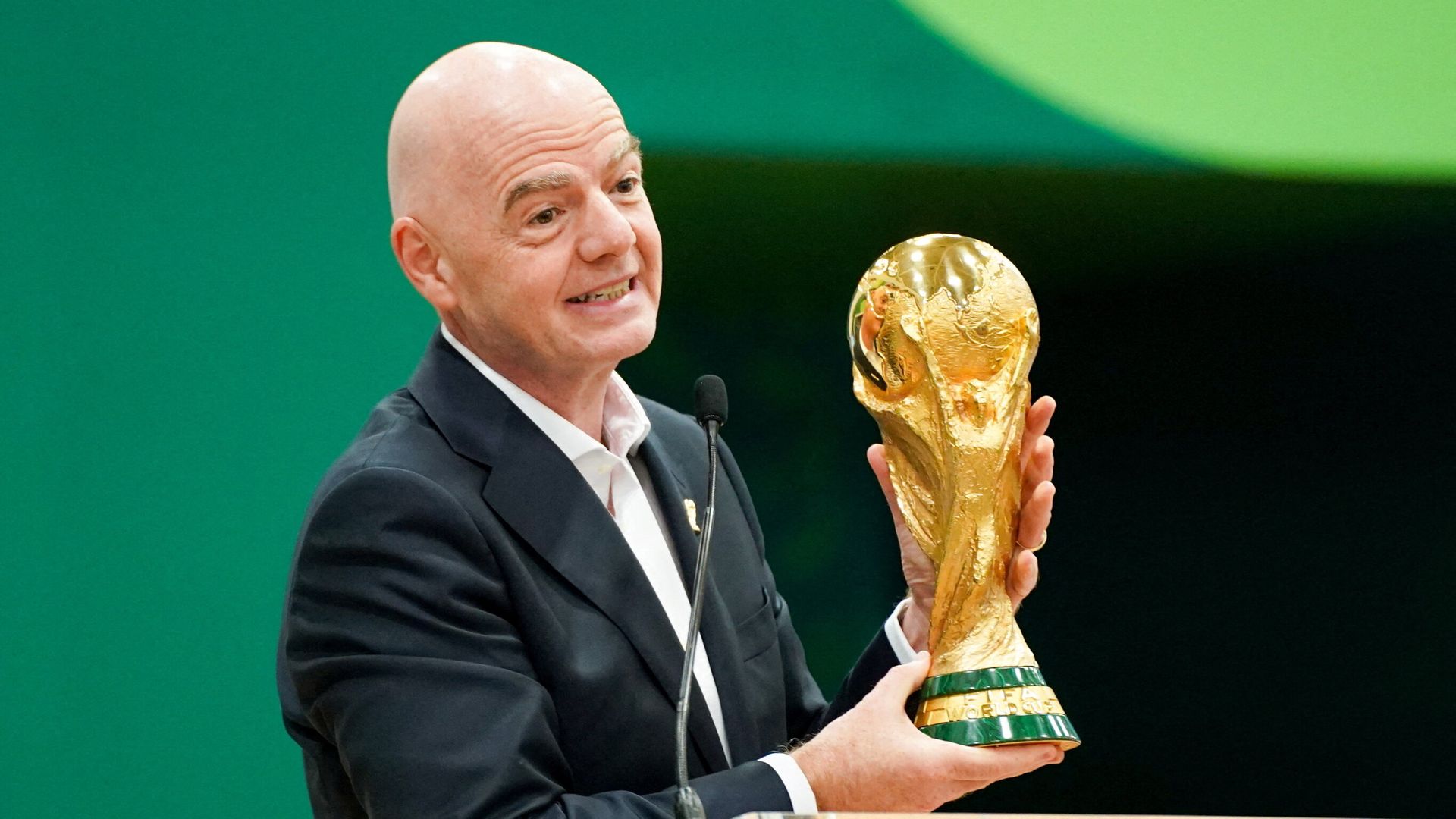
FIFA president Gianni Infantino recently abandoned a contentious plan to sell off commercial rights to the organization's media and sponsorship assets, publicly admitting that the proposal generated deep friction among national member associations. Behind the polite press releases lies a much larger war over money, governance, and control within world football. When executive ambition collides with institutional resistance, even the most powerful sports administrators must back down.
For months, the governing body attempted to quietly engineer a massive financial restructuring. Private equity heavyweights sniffed around the federation, smelling billions in untapped potential. The pitch sounded simple enough to corporate ears. Bundle the rights, monetize the broadcast streams, and inject fresh capital directly into global development funds.
Reality proved far more complicated.
The Anatomy of a Financial Grab
Modern sports governance operates on a knife-edge between athletic tradition and aggressive commercialization. When Infantino floated the independent commercial vehicle concept, continental confederations and national federations instantly recognized a threat to their autonomy.
Money flows through football like blood through a circulatory system. Whoever controls the valve controls the sport.
- Broadcast rights generate the bulk of international revenue.
- Sponsorship tiers cement corporate influence over tournaments.
- Development grants keep smaller associations loyal to the ruling clique.
By attempting to externalize commercial operations into a separate corporate entity backed by outside investors, FIFA leadership risked losing direct oversight of its primary cash cow. European powerhouses, already weary of constant tournament expansion proposals like expanded World Cups and revamped club formats, pushed back hard. They understood that external financial backers would demand predictable, aggressive returns. Those returns require more matches, more broadcast windows, and deeper commercial intrusion into the domestic calendar.
Why the Resistance Mattered
Internal politics inside the halls of Zurich usually move in silence. Deals are struck behind closed doors, and votes are secured through whispered promises of infrastructure grants. This time, the friction spilled into the open.
Federations across Europe and South America realized that external private equity involvement would permanently alter the balance of power. Once private capital enters a non-profit sports structure, profit maximization replaces grassroots development as the primary operational metric.
Infantino framed the retreat as an exercise in listening. Divisions had formed, he argued, and unity must prevail. Veteran observers know a tactical surrender when they see one. The math simply stopped working. When major voting blocs threaten open rebellion at an upcoming congress, even an entrenched executive recalculates.
The Broader Trend in Global Sports
Football is not isolated from the wider macroeconomic climate. Across Formula 1, the NFL, and international cricket, private equity firms are circling legacy institutions. Sports properties represent scarce assets in an economy flooded with capital looking for yield.
Yet, selling a stake in a commercial operation is fundamentally different from selling equity in a traditional corporation. FIFA is structured as an association of associations. Its legitimacy rests on a fragile fiction of democratic representation, where a tiny island nation holds the same nominal voting weight as a continental superpower.
When you introduce outside investors who answer to quarterly balance sheets, that democratic fiction strains to the breaking point.
The abandoned sell-off plan leaves a massive funding gap in FIFA's ambitious long-term projections. Promised distributions to smaller confederations relied on the cash injection that the private equity deal was supposed to secure. Now, leadership must find alternative revenue streams without alienating the very constituents who forced them to retreat.
The commercial pressure cooker has not cooled down. It has merely been sealed tighter, waiting for the next opportunity to burst.