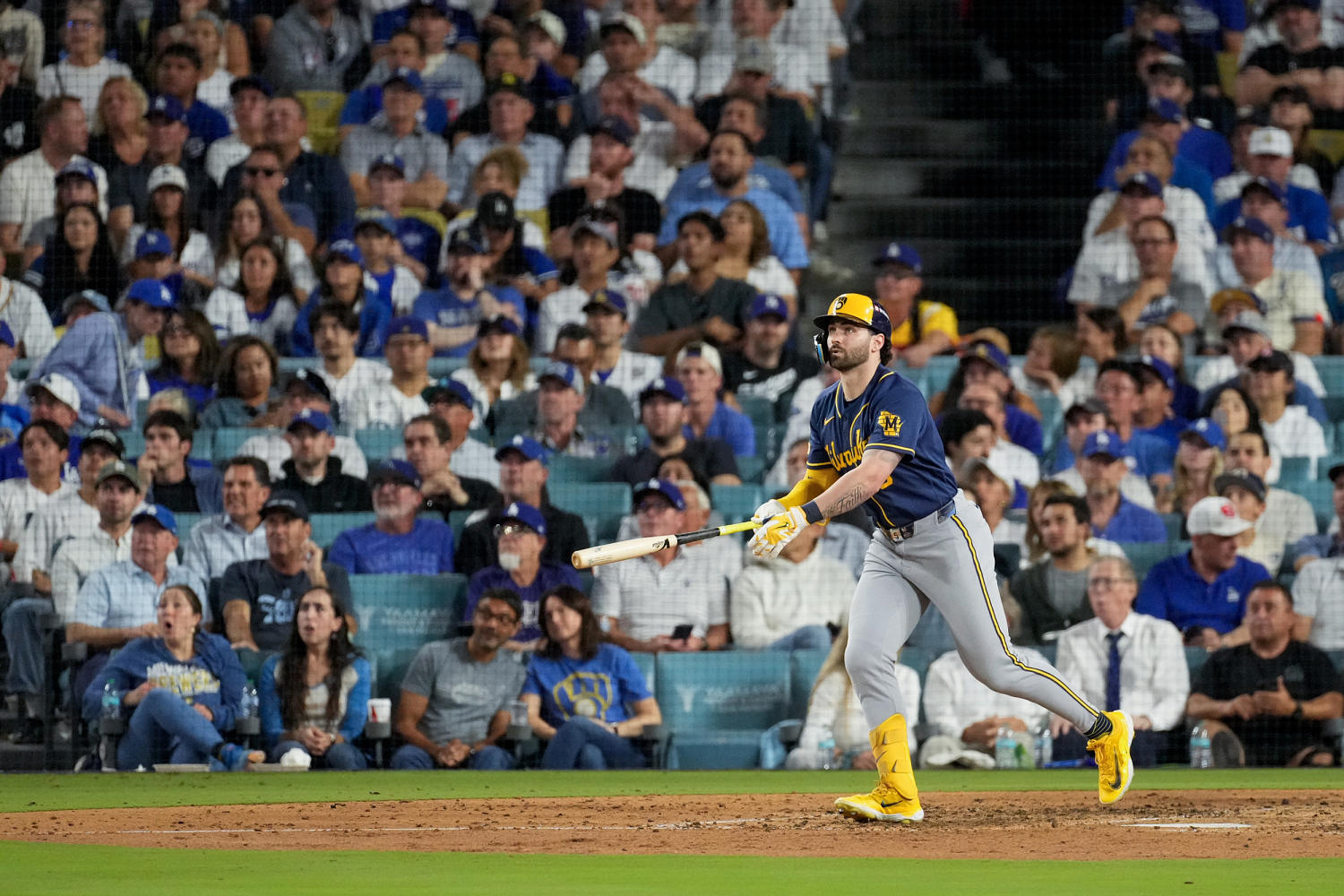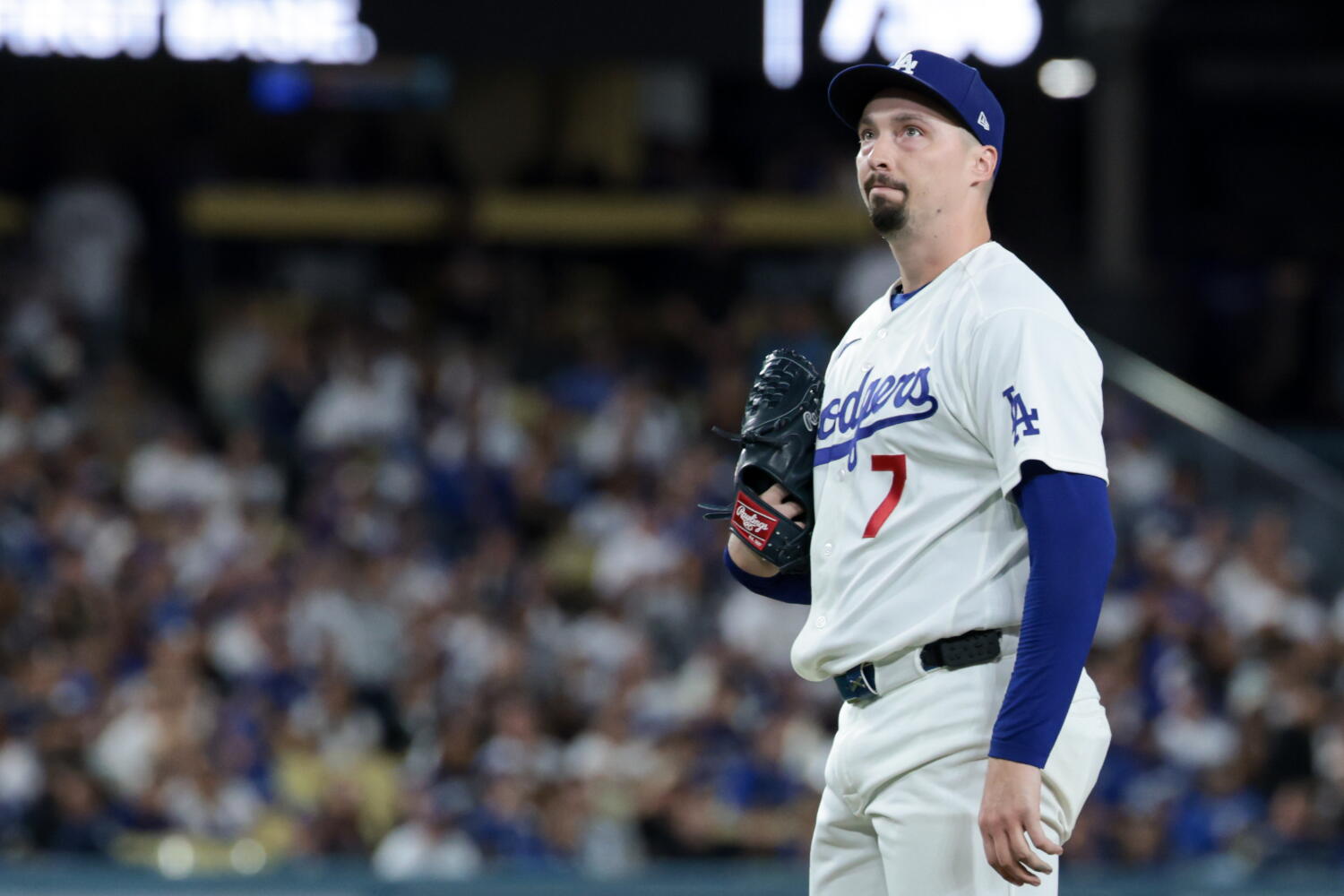
The Los Angeles Dodgers fell 6-2 to the Milwaukee Brewers in Game 3 of the National League Championship Series on October 14, 2026, pushing a two-time defending champion to the brink of a sweep and effectively ending its bid for a three-peat. Four nights later, Milwaukee finished the job in four straight games, turning an offseason built on inevitability into a post-mortem on roster construction, aging stars, and baseball's sharpest small-market execution.
Game 3 at Dodger Stadium did not break in a single fluke moment. It unraveled the way a deep roster unravels when margin for error disappears in October.
Milwaukee jumped on top immediately when Jackson Chourio led off with a home run, setting a tone of aggression that never let up. Even after the Dodgers clawed back and tried to lean on Blake Snell, the seventh inning exposed the vulnerability behind the star power. Jake Bauers launched a go-ahead homer off Snell with Christian Yelich aboard, and Garrett Mitchell followed immediately with another blast to push Milwaukee ahead 4-2 before the Brewers tacked on insurance runs late.
For a team carrying one of the heaviest payrolls and deepest collections of household names in the sport, the loss felt heavier than a single defeat. Down 3-0 in a seven-game series, history offered almost no comfort. Across prior playoff history, only one club—Dave Roberts' 2004 Boston Red Sox—had climbed out of a 3-0 hole. Most teams in that spot simply pack their bags early.
Why Superteams Bleed Out in October
Baseball fans love to treat October like an extension of April, only louder. It isn't.
Over 162 games, a front office can outspend, out-depth, and out-last almost anyone. If a slugger slumps for three weeks in June or a starting pitcher needs an extra turn on the injured list, a deep roster absorbs the blow without blinking. In a short series, those same cracks turn into canyons.
By the time the 2026 NLCS arrived, the Dodgers were not simply facing a hot opponent in Milwaukee. They were fighting a calendar that had caught up to several pillars of their core.
"They may have a bunch of Hall of Famers, but we have a bunch of gamers. And the gamers won this week." — Brewers manager Pat Murphy after the sweep
That line stung because it spoke to an uncomfortable truth about late-stage dynastic runs. Experience matters when a game slows down in the eighth inning. Fatigue matters when a lineup has been grinding through high-leverage expectations for three consecutive springs and autumns.
Consider a hypothetical roster scenario to see how math shifts in October: imagine two clubs with identical talent on paper, one averaging 27 years old and the other 32. Over six months, the older club's plate discipline and swing decisions can carry the day. Over five to seven games against fresh, hard-throwing bullpen arms, bat speed and recovery time between nights often decide who survives.
Los Angeles felt that friction across multiple fronts:
- Attrition over three seasons: The Dodgers had piled up massive injury totals across recent campaigns, including 34 injured-list stints and 2,318 combined days missed in 2026 alone, after leading the league in missed days over the three prior seasons.
- Waning power in key bats: At 37, Freddie Freeman dealt with knee issues that sapped his second-half power—resulting in just one homer after the break and one extra-base hit in September—while finishing 1-for-14 in the NLCS.
- Even superstars hit walls: Shohei Ohtani entered Game 3 hitting just 3-for-20 in the postseason, prompting Roberts to drop him to sixth in the batting order as the offense searched for sparks.
None of that makes Ohtani, Freeman, or Mookie Betts lesser players. It makes them human. When a championship core has played deep into October year after year, there is no true offseason—only rehab, recovery protocols, and another target on your back.
How Milwaukee Picked Apart the Blueprint
If the Dodgers' side of the story is about wear and tear, Milwaukee's side is about ruthless clarity.
The Brewers did not beat Los Angeles by trying to out-slug a lineup built to hit tape-measure home runs. They beat them by forcing uncomfortable at-bats, shortening the game, and answering punches immediately. Whenever Los Angeles found a sliver of momentum, Milwaukee responded without flinching.
| Dimension | Dodgers Profile in 2026 NLCS | Brewers Counter-Approach |
|---|---|---|
| Offensive Rhythm | Relied heavily on big swings and veteran bats searching for timing | Attacked early, kept pressure on bases, and answered runs quickly |
| Bullpen & Late Innings | Stretched high-leverage arms after heavy regular-season workload | Protected leads behind sharp relievers and multi-inning execution |
| Physical State | Battling accumulated injuries and aging curves across key veterans | Played fast, hungry, and unburdened by three-peat expectations |
Look at what happened in Game 3 and again in Game 4. Even when Milwaukee fell behind early—including staring at a 4-0 deficit against Tyler Glasnow in the finale—the Brewers refused to treat early runs as fatal. They chipped away, waited for mistakes in the zone, and let their bullpen lock doors.
That is the hidden trap of building a juggernaut: opponents stop admiring the star power and start hunting specific matchups. If a starting pitcher leans too heavily on one secondary pitch, or if a veteran slugger chases up in the zone when trying to carry a slump, disciplined hitters will punish it. Milwaukee did exactly that.
The Myth of Inevitability and What Comes Next
A three-peat in Major League Baseball is one of sports' rarest feats for a reason. Even dynasties with staggering talent routinely run into a buzzsaw, a cold week at the plate, or a pitching matchup that flips a series upside down.
Yet getting swept in the NLCS—becoming the first club to be swept in a postseason series after sweeping that same opponent the year before—forces harder questions than a standard playoff exit. Even the crowd energy at Dodger Stadium reflected the quiet shock of a team running out of gas, with Game 3 and Game 4 drawing around 50,700 and 49,100 fans rather than full sellouts.
Still, writing off a front office with Los Angeles' resources and player development track record is its own kind of lazy narrative. A sweep hurts. It stings in the clubhouse, it fuels every hot take about payroll versus execution, and it closes the book on a historic run.
It does not erase the core still under contract, nor does it change the reality that baseball rewards whichever team plays cleaner, tougher baseball over those seven days in October.
For the Dodgers, the winter ahead isn't about panic; it's about honest triage—deciding which veteran legs need lighter loads, which young arms are ready to carry real October weight, and how to stay sharp before Opening Day arrives again.