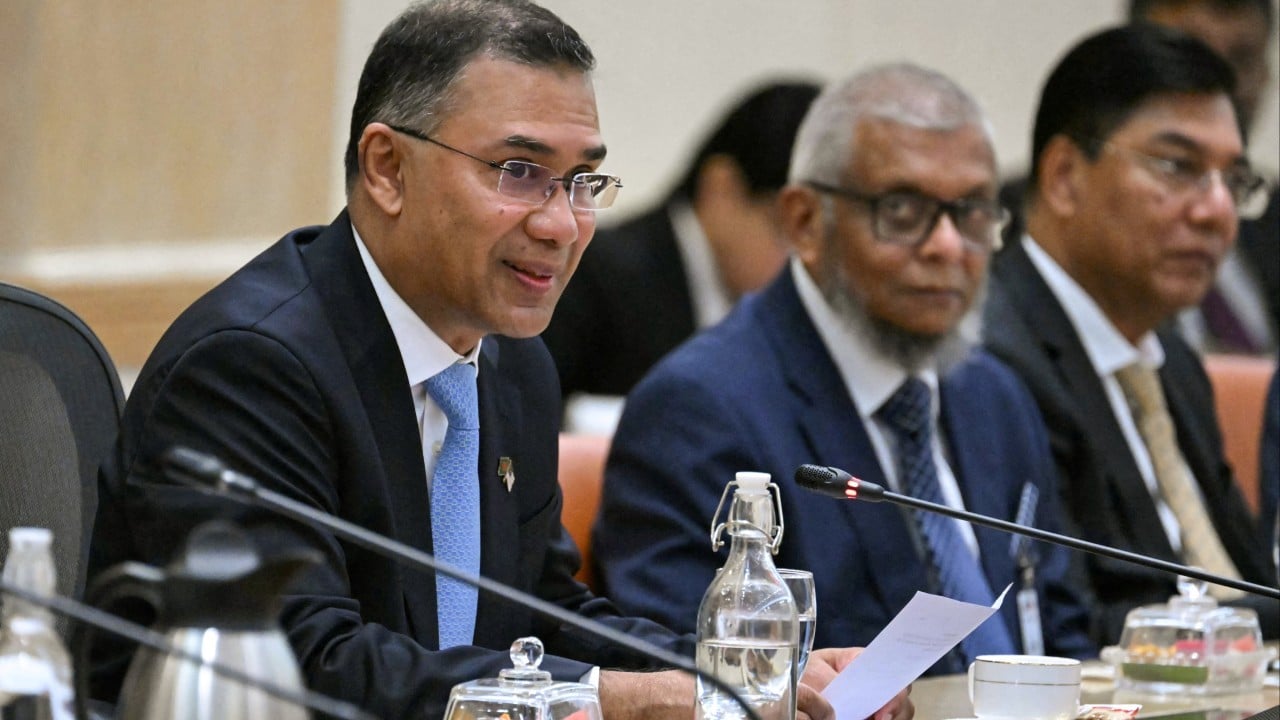
Geopolitical chess boards rarely reset quietly. When Bangladeshi Prime Minister Tarique Rahman drew a hard line across the diplomatic aisle, stating flatly that an official state visit to New Delhi remains frozen until former premier Sheikh Hasina is handed over, he exposed a structural fracture in South Asian relations that neither capital can easily patch over.
The immediate trigger is straightforward. Dhaka wants Hasina returned to face the consequences of convictions handed down by its domestic tribunals, while New Delhi finds itself sheltering a decades-long ally who fled across the border during the bloody summer uprising of 2024. Yet reducing this impasse to a simple binary of extradition requests and political stubbornness ignores the deeper historical currents and domestic pressures driving both administrations.
Foreign ministry officials in Dhaka made it clear that a propitious environment must precede any bilateral summit. That environment, from the perspective of the current administration, is poisoned by Hasina's continued ability to project her voice from foreign soil. Despite facing heavy legal judgments, including convictions related to crimes against humanity, the former prime minister has utilized cross-border media platforms to rally loyalists and challenge the legitimacy of post-uprising governance.
For New Delhi, the dilemma is acute. Harboring a deposed leader who served as a bulwark for Indian security interests for fifteen years creates profound domestic security optics. Rejecting the extradition outright risks permanently alienating a newly elected government in Dhaka that has already signaled a broader foreign policy diversification—evidenced by Rahman choosing Beijing and Kuala Lumpur for his early overseas travels rather than adhering to the traditional pilgrimage to the Indian capital.
At the same time, complying with Dhaka's demands sets a dangerous regional precedent. Sovereign nations rarely surrender high-profile political exiles without exhausting every legal maneuver, fearing the domestic fallout of appearing submissive to external pressure. India's official stance that the extradition request remains "under examination" is diplomatic code for buying time while back-channel intermediaries search for an off-ramp that saves face on both sides of the border.
The calculus inside Dhaka is equally complex. Rahman assumed office with a mandate centered around institutional sovereignty and a "Bangladesh First" doctrine. Yielding on high-profile diplomatic visits before securing tangible concessions on the Hasina issue would hand domestic political rivals an easy narrative of weakness. Public sentiment in the wake of the 2024 revolution remains hyper-sensitive to any perception of foreign tutelage, meaning that a premature state visit to India would carry an exorbitant domestic political cost.
Beneath the diplomatic posturing lies an economic and security interdependence that neither country can sever. Shared river water treaties, cross-border trade corridors, and regional security cooperation require functional communication channels. Senior officials from both foreign ministries have quietly maintained contact, attempting to separate routine bureaucratic cooperation from the toxic symbolism surrounding the former leader's residency in India.
Yet until New Delhi decides how to handle the legal petition from Dhaka, or until Hasina's public rhetoric is neutralized, the diplomatic freeze will hold. The bilateral relationship has transitioned from an era of unquestioned elite alignment into a transactional phase defined by mutual suspicion and hard-nosed national interest.
As December approaches—the month Hasina has publicly vowed to orchestrate a high-stakes return regardless of legal peril—the margin for diplomatic error shrinks by the day.
India First Debate: Bangladesh Demands Sheikh Hasina's Extradition From India—What Will India Do?
This video provides an in-depth panel discussion analyzing the legal and geopolitical implications of Bangladesh's extradition demands and India's strategic dilemma.