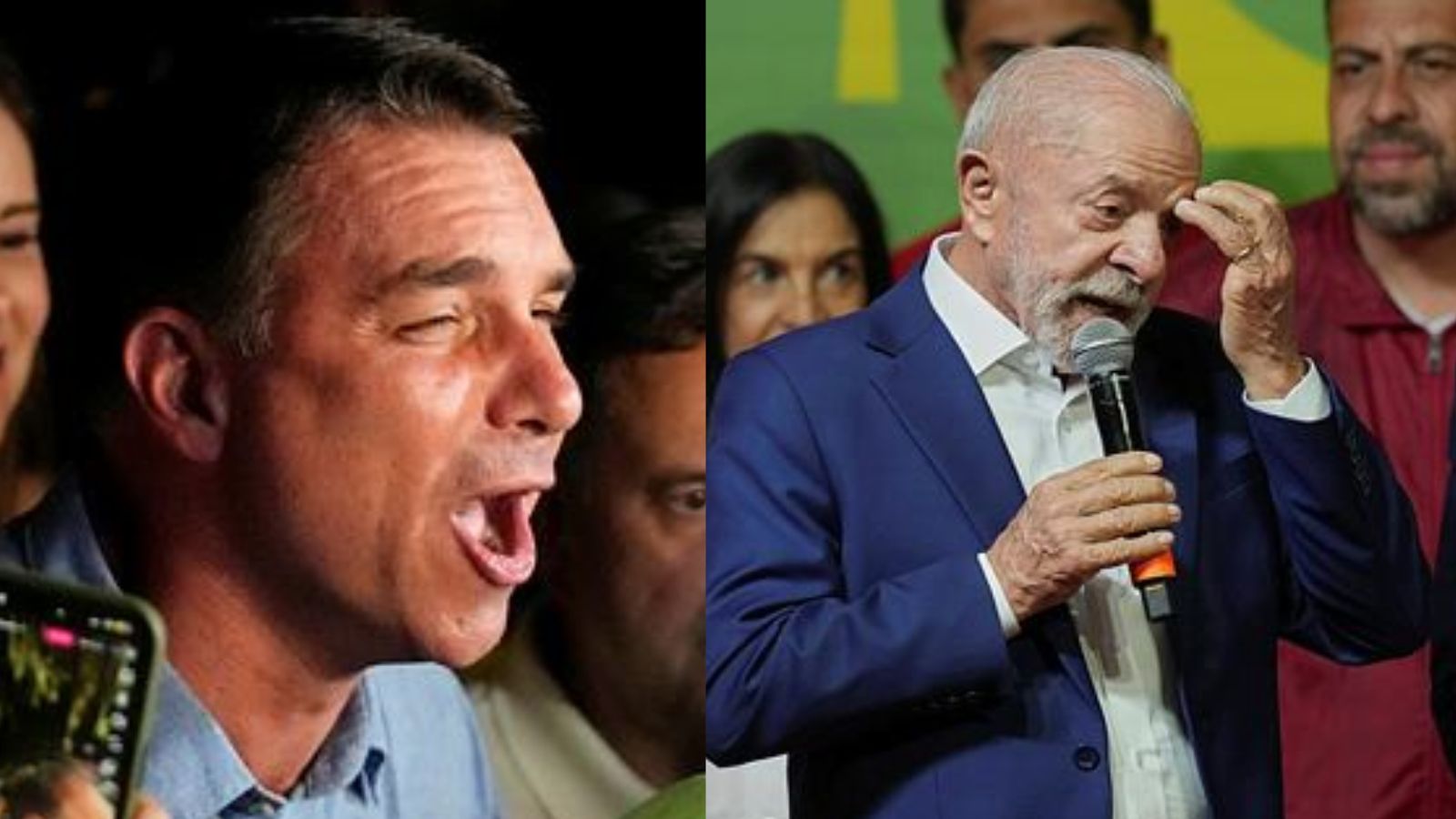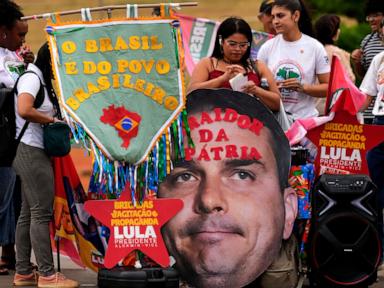
Brazil just survived an existential political test that left its democratic institutions bruised, deeply polarized, and fundamentally altered. When citizens went to the polls for the high-stakes presidential runoff, they were not merely choosing between left and right economic philosophies; they were voting on the survival of constitutional norms. Incumbent President Luiz Inácio Lula da Silva secured a historic fourth term by defeating Senator Flávio Bolsonaro, who carried the banner for his imprisoned father, former President Jair Bolsonaro.
The raw mechanics of the vote revealed a nation split down the middle. Lula captured nearly 52 percent of the vote in a tense runoff that saw turnout surge past 80 percent. Yet the narrow margin masks a deeper structural reality. The right-wing movement anchored by Bolsonarismo has proven remarkably resilient, embedding itself deeply into the congressional machinery and capturing the ideological allegiance of millions of Brazilians who feel alienated by traditional leftist governance.
To understand why this election played out the way it did, one must look beyond the familiar names on the ballot and examine the fiscal anxiety gripping ordinary households. While macro indicators and headline GDP numbers occasionally flashed green, working-class voters in urban centers experienced a persistent squeeze from high interest rates, stubborn inflation, and rising living costs. Public debt hovering above 80 percent of GDP severely limits any administration's capacity to spend its way out of trouble.
Security emerged as another decisive wedge issue. In public opinion surveys leading up to the runoff, violent crime and organized drug trafficking consistently ranked at the top of voter anxieties. Right-wing candidates capitalized on these fears by framing security through an uncompromising lens of law and order. The left countered with social inclusion programs, but the resonance of hardline security rhetoric proved difficult to dismantle, particularly among evangelical demographic blocs that have grown significantly across the country.
The legislative battlefield further complicates Lula's path forward. Brazil's Congress remains heavily fragmented, with conservative factions holding substantial sway in both the Chamber of Deputies and the Senate. Governing a deeply fractured republic requires constant transactional maneuvering. Every piece of legislation, fiscal adjustment, and judicial appointment will face fierce resistance from a mobilized opposition that views the executive branch with profound suspicion.
Externally, the fallout from this election stretches far beyond South America. Brazil occupies a delicate geopolitical position, balancing deep trade ties with China against traditional diplomatic and economic channels with Western democracies. The incoming administration must navigate an increasingly volatile international order while managing domestic factions that pull foreign policy in opposite ideological directions.
Electoral victories in polarized democracies rarely provide closure. They merely reset the clock on underlying tensions that remain unresolved. Brazil has answered the immediate question of who sits in the presidential palace, but the deeper struggle over the nation's democratic soul is only entering its next phase
How Lula da Silva came from behind to beat Bolsonaro in Brazilian election
This video provides an overview of how Luiz Inácio Lula da Silva managed to reverse his initial deficit and secure victory in the presidential race.