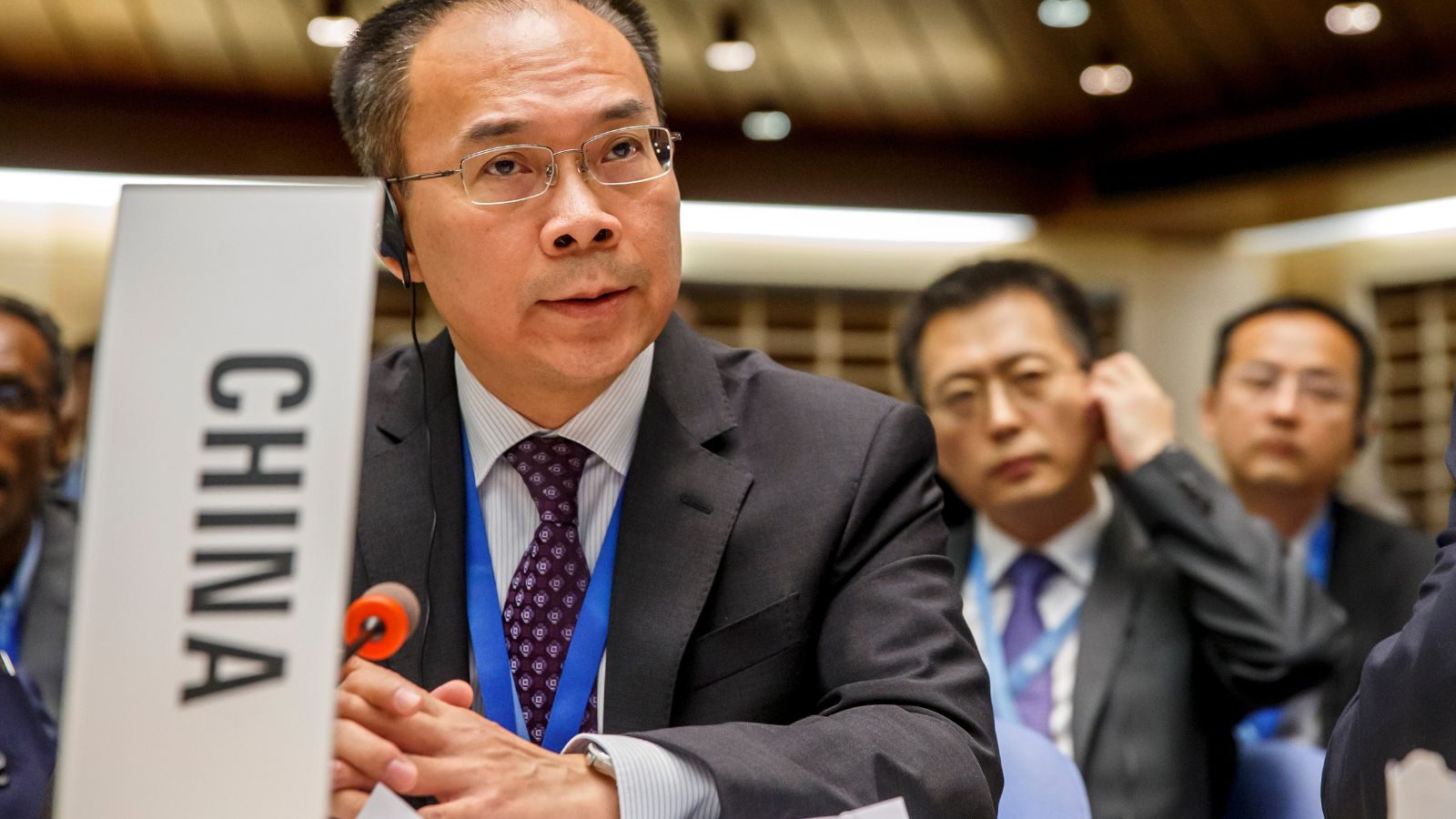
The race to lead the World Health Organization has entered a fractured geopolitical landscape, marked most prominently by Beijing's official nomination of veteran health bureaucrat Song Li to succeed Tedros Adhanom Ghebreyesus. For global health analysts, the entrance of Song—currently heading the Department of Maternal and Child Health at China's National Health Commission—transforms the upcoming 2027 election into a referendum on the future of international governance. With the United States executing its formal withdrawal from the agency, the architectural integrity of multilateral health is straining under immense financial and diplomatic pressure.
Song enters a crowded seven-candidate field featuring heavyweights from Europe, the Middle East, and Southeast Asia. Yet her candidacy carries an inescapable subtext. As international relations experts dissect Beijing's push for increased institutional realignments inside United Nations bodies, past pandemic management policies have re-entered the spotlight. Understanding why this nomination matters requires looking past standard diplomatic rhetoric and examining the structural mechanics of how global health power is shifting. Also making waves in related news: Endurance Physiology Under Load Quantifying the Five Hour Plank Benchmark.
The Post-American Vacuum
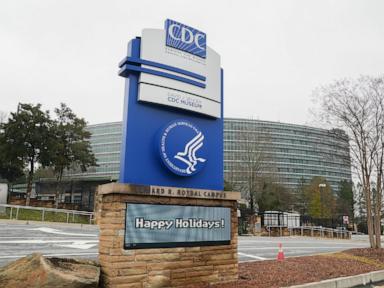
When Washington completed its exit from the WHO, the financial blow was immediate and severe. The organization lost its single largest contributor, forcing sweeping structural contractions, administrative downsizing, and a scramble to close a persistent 15 percent budget gap.
In this vulnerability, Beijing sees an opening. China has steadily worked to expand its footprint across United Nations specialized agencies. While Chinese nationals previously held leadership slots across multiple UN bodies simultaneously, current representation sits at a lower baseline, managed primarily through figures like Food and Agriculture Organization chief Qu Dongyu. Securing the director-general seat at the WHO would represent a monumental consolidation of influence in Geneva. Additional insights on this are explored by Healthline.
The strategic timing of Song's nomination is no accident. Beijing has positioned itself as an indispensable financier and infrastructure partner to the Global South through health diplomacy initiatives and hospital construction projects across Africa and Asia. By putting forward a career bureaucrat with extensive administrative depth rather than an overt political figure, China is attempting to frame its bid around technical competence and sustainable national self-reliance.
A Technocratic Profile Forged in Beijing
Song Li is a trained physician-scientist with academic ties to Peking University and Harvard, boasting over two decades of public health implementation inside China's sprawling bureaucratic machinery. Her resume is defined by domestic scale. She has directed World Bank-supported rural health initiatives, co-chaired prominent maternal health commissions, and embedded targeted social policies directly into consecutive state Five-Year Plans.
Her supporters point to this deep administrative experience as an asset. In an era where international agencies face acute funding shortages and logistical bottlenecks, an executive comfortable managing large-scale state health programs offers a distinct operational style compared to traditional Western diplomatic candidates.
However, her administrative history also intersects directly with the most contentious chapters of recent public health history. During the early stages of the global COVID-19 outbreak, Song served in prominent editorial and advisory capacities within domestic epidemic response frameworks, including editing prevention guides geared toward specific populations. For Western capitals and independent oversight bodies, these ties immediately revive unresolved questions regarding transparency, data sharing, and the institutional independence of Chinese health officials operating under strict state oversight.
The Shadow of Inconclusive Origins
The core friction surrounding Song's candidacy is inseparable from the broader, unresolved disputes over the origins of SARS-CoV-2. Years after the initial outbreak in Wuhan, independent international investigations have repeatedly stalled due to restricted access and a lack of early viral sequence transparency.
Current leadership under Tedros Adhanom Ghebreyesus has continued to press Beijing for unvarnished cooperation regarding early epidemiological data. Elevating an official steeped in the upper echelons of China's National Health Commission during that exact period introduces profound political friction into the executive board's deliberations.
Critics from Japan, European Union member states, and North America argue that the director-general of the WHO must project absolute impartiality and an uncompromised commitment to scientific openness. Operating inside a state system where public health directives align closely with national security and Communist Party priorities leaves little room for independent international oversight, according to multilateral watchdogs. If a Chinese national takes the helm, the organization risks deepening skepticism from traditional donors who already view Geneva's investigative independence with intense suspicion.
The Mechanics of the 2027 Election
The race will not be decided by public rhetoric alone, but through calculated backroom maneuvering within the WHO's Executive Board. Following the closure of the nomination window, the candidate pool features figures such as Hans Kluge of Europe and Hanan Balkhy of the Eastern Mediterranean, alongside contenders from Qatar, Saudi Arabia, Indonesia, and Botswana.
In late January and early February, the executive board will winnow the list down to a shortlist of three candidates. Those names will then advance to the World Health Assembly in May, where member states will cast their votes.
The voting bloc arithmetic has shifted dramatically in the wake of the U.S. departure. Developing nations that have benefited from Chinese medical infrastructure investments, vaccine manufacturing partnerships, and bilateral health agreements represent a formidable voting bloc. Yet European capitals retain significant diplomatic leverage and are actively coordinating to prevent any single superpower from capturing total institutional control over global health normative standards.
At stake is far more than an administrative title. The incoming director-general will inherit the final, fraught negotiations over the global pandemic agreement, including the contentious Pathogen Access and Benefit Sharing annex. This framework will dictate how future biological samples are shared across borders and how life-saving vaccines are distributed during an emergency. Placing a Beijing-backed technocrat at the center of that machinery will permanently alter how international health law is written, enforced, and funded for a generation.