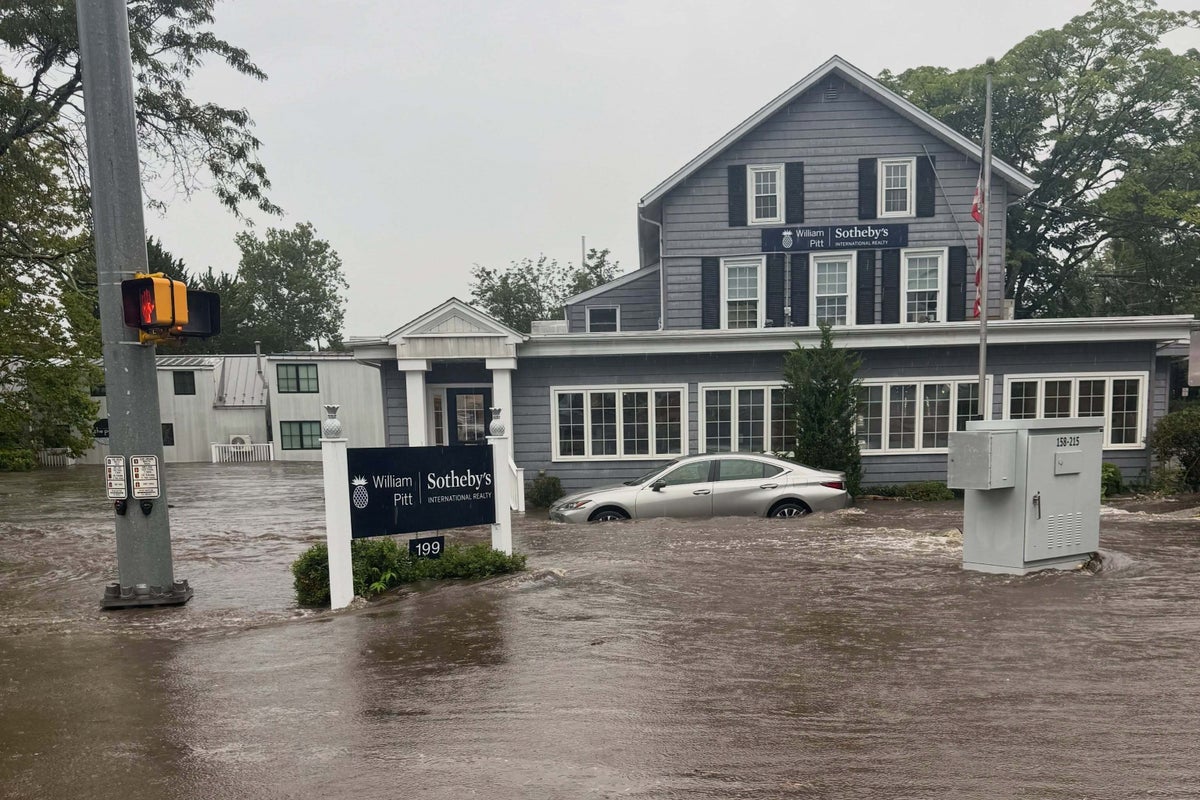
Heavy rain and severe flash flooding struck coastal Connecticut, New York, and New Jersey, submerging roadways, stranding motorists, and laying bare the systemic vulnerabilities of northeastern flood management.
Water does not care about municipal boundaries. When relentless precipitation overwhelms the Tri-State Area, it exposes a patchwork of aging infrastructure built for a climate that no longer exists. Coastal communities from Fairfield County down through the New Jersey shore and the outer boroughs of New York City found themselves staring at submerged intersections and impassable underpasses within hours of the heavy downpour.
This was not a freak anomaly. It is the predictable cost of deferred maintenance, inadequate drainage capacity, and an over-reliance on a century-old storm sewer architecture that chokes the moment rainfall rates exceed design thresholds.
The Engineering Deficit Beneath the Asphalt
Underneath the gleaming avenues of Manhattan, the historic brownstones of Brooklyn, and the sprawling suburbs of the Connecticut coastline lies a subterranean labyrinth designed in the Victorian era. These legacy systems operate on combined sewer overflows in many urban centers, where stormwater and municipal sewage share the same concrete arteries.
When cloudbursts dump inches of rain per hour, the system hits saturation instantly. Gravity fails to clear the volume, and water reverses direction, erupting from manhole covers and flooding basements with a toxic mix of urban runoff and sewage. Engineers have known about this bottleneck for decades. Yet, upgrading underground conveyance capacity requires massive capital expenditure, prolonged disruption of surface commerce, and political willpower that rarely survives an election cycle.
Municipal budgets lean heavily toward reactive repairs rather than proactive overhauls. A washed-out culvert in Westport or a flooded parkway in Westchester gets patched, reinforced with temporary riprap, and signed off until the next atmospheric river tests its limits.
The Regional Ripple Effect
Transportation networks in the Northeast function as a delicate domino chain. When flash flooding breaches low-lying rail cuts or submerges major highway interchanges like portions of the Hutchinson River Parkway or the New Jersey Turnpike, the economic impact ripples across state lines in real-time.
Commuters stranded on Metro-North or New Jersey Transit lines discover that public transit resiliency remains an afterthought in regional planning. Millions of dollars flow toward high-profile terminal expansions, while mundane drainage ditches, pump stations, and retention basins go underfunded.
During heavy storm events, power substations situated near tidal zones face immediate inundation threats. ConEdison and regional utility providers race to deploy mobile pumps, but electrical grid vulnerability remains a persistent hazard whenever coastal storm surges coincide with torrential inland runoff. Saltwater intrusion corrodes equipment, and saturated soil destabilizes utility poles, turning a heavy rain event into a multi-day power reliability crisis.
Managed Retreat Versus Endless Hardening
Municipal planners across New York and New Jersey are locked in a quiet panic over zoning laws and coastal development. For generations, local tax revenue depended on building densely along waterfronts and tidal marshes. Those very marshes served as nature's shock absorbers, absorbing millions of gallons of overflow before it could reach inland properties.
Paving over natural wetlands transformed coastal suburbs into concrete funnels. Water that once soaked harmlessly into peat and marsh grass now accelerates across asphalt parking lots, gathering velocity and gathering debris before crashing into residential neighborhoods.
Some jurisdictions have begun experimenting with daylighting buried streams and constructing bioswales. These green infrastructure projects look admirable in urban planning pamphlets, but they operate at a micro scale compared to the massive volumes generated by a regional nor'easter or stalled tropical remnant.
The hard truth is that structural hardening alone cannot outpace rising sea levels and intensifying precipitation events. Sea walls are breached; retention basins fill up; storm drains clog with autumn leaves and urban litter.
Until regional governments in Connecticut, New York, and New Jersey drop their parochial turf wars and fund an integrated, watershed-scale defense strategy, every heavy forecast will remain an exercise in collective anxiety. The next major storm is not a question of if, but when. The infrastructure beneath our feet is running out of time.