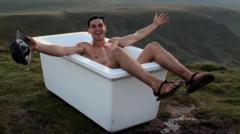
Mountaineers and casual hikers spend hours hauling their own trash back down trailheads. They pack out banana peels, energy gel wrappers, and tiny bits of plastic tape because leaving anything behind ruins the wilderness for everyone else. Then a social media creator decides that carrying an entire acrylic bathtub up an alpine peak will make a great thumbnail.
That exact scenario played out when an influencer dragged a heavy bathtub up a scenic summit for a viral photo shoot, only to abandon it at high altitude. The backlash was immediate, fierce, and entirely deserved. While the creator eventually posted a public apology and promised to clean up the mess, the incident exposed a much bigger problem in modern outdoor culture. Social media stunts are actively wrecking high-altitude environments, and simple apology videos aren't fixing the damage.
The Ridiculous Reality of Viral Mountain Stunts
Lugging heavy household furniture up thousands of feet of elevation sounds like an absurd punchline, but it happens way more often than you think. Creators do it purely for shock value. A standard photo of a jagged summit doesn't grab attention anymore on crowded feeds. A photo of someone taking a bath on a snowy peak surrounded by clouds gets millions of clicks.
The math behind these stunts is straightforward. High shock value equals higher engagement. Higher engagement means more followers and bigger sponsor checks. But the environmental cost of getting those views gets completely ignored until public outrage forces a response.
Leaving a heavy fiberglass or metal bathtub on a mountain summit isn't just ugly. It creates real hazards for local wildlife and alpine ecosystems. High winds at high altitudes can easily blow heavy objects down steep inclines, threatening hikers below. Synthetic materials break down slowly under harsh ultraviolet light, leaching microplastics and chemicals straight into fragile alpine watersheds.
When the creator faced massive online heat from local mountain communities and park authorities, the inevitable apology followed. The creator claimed it was an honest mistake and that they didn't realize leaving the tub behind would cause such an uproar. Honestly, that excuse falls completely flat. If you have the energy and logistical support to haul a massive piece of plumbing up a mountain, you have the means to haul it back down.
Why Apology Videos Don't Fix Environmental Damage
We've all seen the standard influencer apology blueprint by now. Sit in front of a plain background, look visibly regretful, talk about how much you've learned, and pledge to "do better" next time. It's a predictable script designed to save brand deals rather than fix real-world mistakes.
An apology video doesn't pick up plastic from a fragile tundra. It doesn't repair crushed vegetation along off-trail routes. Most importantly, it doesn't undo the copycat effect.
When millions of viewers see a creator haul an outrageous object onto a pristine peak, a percentage of those viewers get inspired to do something equally stupid. They see the initial post get 500,000 likes. They rarely see the quiet apology posted three weeks later after the news cycle moves on. The damage to the culture is already done.
Take a look at what happens when outdoor trends go viral without accountability:
- Social trails multiply as visitors bypass marked paths to get the perfect camera angle, killing delicate plant life that takes decades to grow back.
- Garbage accumulates at remote summit spots where park rangers can't easily perform daily maintenance.
- Local rescue teams waste valuable time and resources monitoring unsafe stunts or responding to creators who get stranded while carrying heavy props.
- Wildlife habits shift as animals get exposed to discarded materials, toxic paint, and abandoned food scraps left behind by production teams.
The leave-no-trace ethic used to be common sense among outdoor enthusiasts. The desperate search for online views has turned remote wilderness areas into temporary backdrops for fleeting attention.
The Real Cost of Wilderness Content Creation
Hiking up a steep grade with gear is tough work. Doing it with camera rigs, heavy props, and extra lighting takes serious effort. That makes the decision to abandon heavy items on top of a mountain even more deliberate. Nobody accidentally forgets a bathtub on a mountain peak.
National parks and alpine authorities across Europe and North America report a steady rise in abandoned gear, fake flower setups, macro camera rigs, and prop furniture. Cleaning up these abandoned items isn't as simple as driving a garbage truck to the spot. Park teams often have to deploy rangers on foot or spend thousands of dollars on helicopter operations just to sling-load heavy trash off protected peaks.
Taxpayers and local conservation groups end up footing the bill for a creator's viral moment. Meanwhile, the creator keeps the ad revenue, sponsorships, and subscriber counts generated by the original post. The math is completely broken. The creator privatizes the profit while public lands absorb the damage.
Local authorities are starting to fight back with harsher fines and legal action, but enforcement at 9,000 feet is notoriously difficult. Rangers can't monitor every ridge and summit 24 hours a day. By the time a stunt post goes live on social media, the creator is usually already back home in a cozy apartment, editing the footage while their trash sits on a glacier.
How Platforms and Followers Fuel the Problem
It's easy to place all the blame on the individual creator, but the platforms themselves reward this behavior. Search algorithms prioritize extreme content, sensational thumbnails, and bizarre setups. A video titled "I Hiked a Mountain" gets buried. A video titled "I Built a Hot Tub on top of an Alpine Peak" gets pushed to millions of recommended feeds.
Followers play a major role too. Every like, share, and comment tells the algorithm to push that content to more feeds. Even angry comments demanding the creator clean up their mess boost the post's engagement metrics, bringing in more views and higher ad revenue.
If you want to stop seeing reckless stunts in wild places, you have to stop feeding the attention machine.
Here is how everyday social media users can actually help curb this trend:
- Stop engaging with stunt posts in wild places. Don't like, comment, or share them, even to express anger. Disengagement hurts creator reach far more than negative comments.
- Report posts that clearly show illegal activity, off-trail damage, or left-behind trash directly to the platform for policy violations.
- Support local conservation groups and park foundations that actively work to clean up alpine spaces and enforce land protection rules.
- Call out brand sponsors directly. Companies hate being publicly attached to environmental destruction and will pull funding from creators who trash public lands.
Building a Standard for Respectful Outdoor Media
You don't need to leave nature completely untouched by human presence to make great content. Plenty of incredible photographers, filmmakers, and athletes create stunning media in the outdoors without leaving a single piece of micro-trash behind. They plan carefully, stay on established trails, respect wildlife boundaries, and haul every piece of gear back to the parking lot.
Respecting wild places doesn't mean being boring. It means acknowledging that mountains aren't private photography studios. They are shared ecosystems that require care to survive the millions of human visitors heading outdoors every year.
If you're planning an ambitious photo or video project in nature, keep your logistics clean. Pack light, stick to existing trails, double-check that every piece of prop equipment comes down with you, and get the proper permits from land managers before you shoot. If your visual idea requires leaving junk on a peak, your idea is trash—literally.
Next time you see a creator issuing a tearful apology for ruining a natural landmark, skip the video and check if they actually went back to clean up their mess. Hold creators accountable with your clicks, your attention, and your dollars. Keep the mountains wild, and leave the bathtubs in the bathroom where they belong.