More than 50,000 years of human imagination are sitting on porous limestone walls in South Sulawesi, and wildfires are creeping right up to the door.
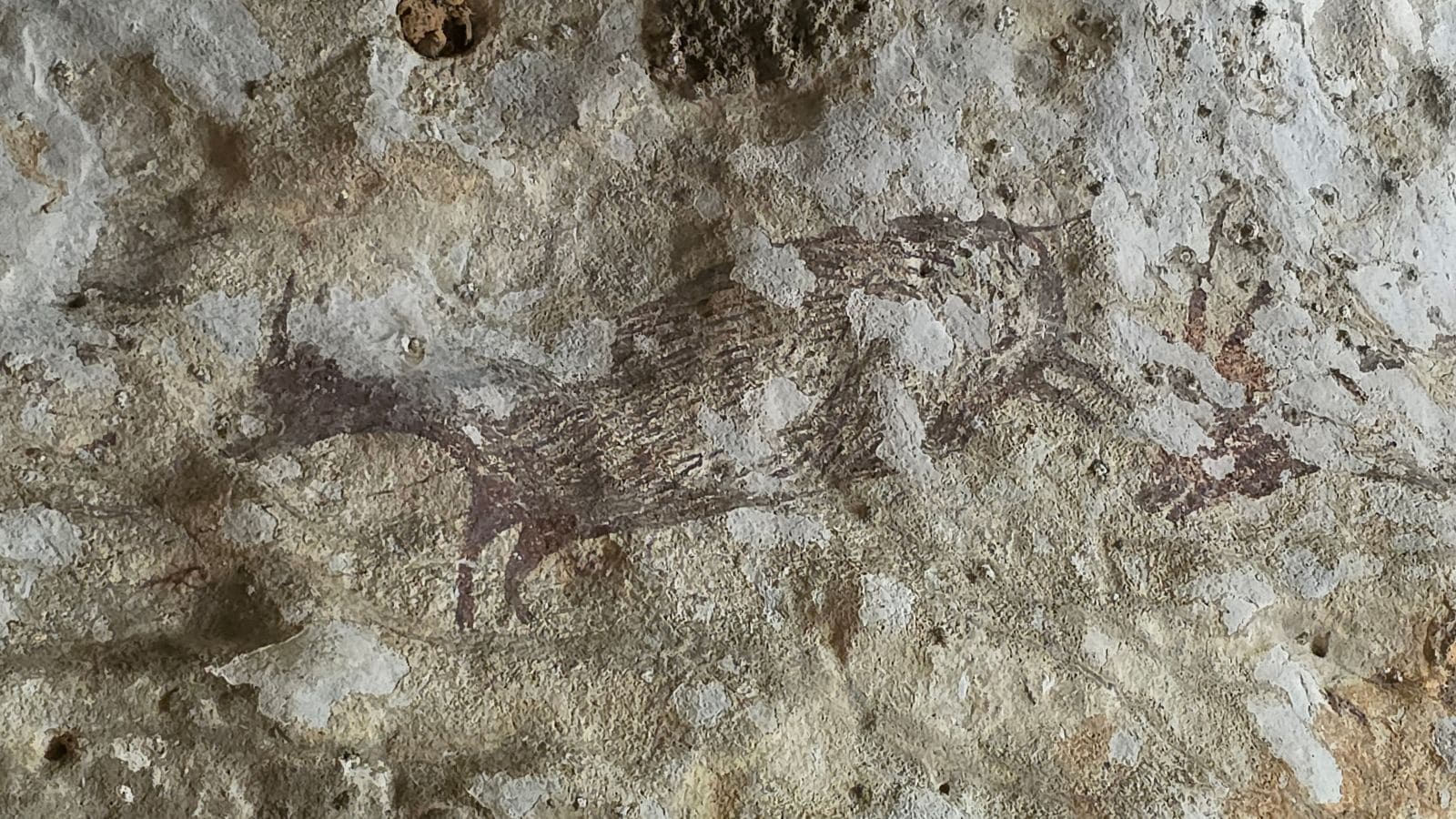
If you care about how our species started telling stories, paying attention to Indonesia's cave paintings isn't optional anymore. These aren't faint scribbles from the edge of history. Dating back over 51,000 years—and with some findings pushed to 53,500 years—rock art in the Maros-Pangkep karst includes figurative scenes of wild pigs and human-like figures that predated Europe's famous Ice Age galleries by tens of thousands of years. Between September 30 and October 18, 2026, fires burned over 270 hectares inside the surrounding parklands and came within roughly 800 meters of key cave sites, with flames at times reaching just meters from a cave mouth.
Fire doesn't have to lick a pigment layer directly to ruin it. Heat stresses limestone, soot clouds fragile mineral surfaces, and prolonged dry spells push an already vulnerable archaeological landscape closer to a breaking point.
How Indonesia Wildfires Threaten Ancient Cave Art
When people picture wildfire damage, they usually think of a wall of flame swallowing a forest whole. Around the limestone towers of Maros-Pangkep, the danger works a bit more sneakily.
Intense heat radiating from nearby brush and forest fires creates thermal stress across limestone rock. Stone expands and contracts unevenly, opening micro-fractures and causing thin mineral crusts or painted flakes to detach. Once a sliver of limestone flakes off a cave wall, the pigment sitting on top of it is gone for good. You can't patch or repaint a 45,000-year-old warty pig.
Smoke is the second problem. Even when firefighters hold a blaze back outside, drifting smoke carries fine soot and acidic compounds that can settle on rock surfaces, dulling contrast or complicating scientific analysis. Archaeologists like Basran Burhan at Griffith University and researchers working across Sulawesi have warned that without rapid mitigation when fires flare, irreplaceable evidence of early human culture could suffer permanent harm.
Why These Sulawesi Paintings Rewrite Human History
For a long time, plenty of people assumed Europe had the monopoly on early figurative cave art. Sites like Chauvet or Lascaux dominated the mental picture of prehistoric creativity.
Sulawesi flipped that assumption upside down. Dating techniques—especially uranium-series analysis of mineral deposits called "cave popcorn" that form over pigments—established minimum ages that pushed the timeline of representational art way back in Wallacea. Sites like Leang Karampuang, Leang Tedongnge, and Leang Bulu' Sipong 4 show animals, hand stencils, and narrative scenes that force us to rethink when symbolic thinking and complex storytelling took root among early Homo sapiens moving through island Southeast Asia.
That's why losing even a few panels hits harder than losing a standard museum object. A painting in a museum has climate controls, security guards, and conservators down the hall. A cave painting in a tropical karst tower lives outdoors in the elements, surviving monsoons, humidity swings, insects, and now fiercer dry-season fires.
What Actually Drives the Risk Beyond a Single Fire
Honestly, blaming a single dry spell misses the bigger picture. The 2026 fire surge unfolded amid dry conditions tied to El Niño, echoing the kind of severe Indonesian fire seasons that have rattled the region in past extreme years like 2015.
Still, wildfires are only one piece of a compounding squeeze:
- Climate and weather extremes: Longer, hotter dry stretches dry out vegetation around karst hills, turning scrub and forest litter into tinder while shifting moisture cycles inside caves.
- Gradual rock degradation: Researchers have documented ongoing flaking and salt/mineral deterioration across Sulawesi rock art over recent decades, meaning some walls were already losing ground before smoke arrived.
- Land use and development pressures: Expanding agriculture, clearing, and nearby limestone quarrying for construction add physical vibration, dust, and competing land priorities near protected karst zones.
In practice, protecting a sprawling network of caves across rugged karst terrain is messy. Fire crews have to hike into steep, uneven ground with limited water access, and resources are often stretched thin across dozens of active hotspots at once. A neat policy memo doesn't stop sparks from jumping dry grass on a windy afternoon.
Common Misconceptions About Rock Art and Wildfires
People hear "cave painting" and assume the artwork is buried deep underground in a sealed vault. Most of these Sulawesi sites are rock shelters or cave mouths open to the surrounding forest edge—which is why nearby brushfires matter so much.
Another mix-up is assuming a fire didn't reach the wall, so everything is fine. Heat radiation and heavy smoke plumes can affect surfaces even when flames stop short of the rock face. Conversely, researchers haven't claimed every recent fire automatically wiped out famous panels; assessing real damage takes careful, non-invasive inspection rather than guesswork.
Practical Steps to Support and Follow Conservation
If you want to do more than skim headlines about endangered heritage, focus on concrete actions that actually help researchers and local stewards:
- Follow primary archaeological and conservation updates: Track findings and conservation reports from institutions involved in Sulawesi research, such as Indonesia's National Research and Innovation Agency (BRIN), Griffith University's archaeology teams, and UNESCO geopark/heritage initiatives, rather than relying on second-hand rumors.
- Support credible environmental and heritage organizations: Look for vetted nonprofits working on fire prevention, community fire brigades, and biodiversity protection in Indonesian national parks and karst regions.
- Pay attention to supply chains and land policy: Demand for timber, agricultural commodities, and construction materials intersects with fire and land-clearing pressures across Indonesia, so supporting transparent sourcing and strong environmental enforcement matters over the long haul.
- Advocate for heritage in climate adaptation: Push for cultural heritage sites to be included in disaster-response and climate-resilience budgets—treat ancient rock art as vulnerable living history, not an afterthought once the smoke clears.
Forest fires threaten world's oldest cave paintings in Indonesia's Sulawesi
This video adds visual context by showing how close recent fires in South Sulawesi came to the ancient limestone cave sites and highlighting the conservation stakes involved.