India has a currency problem, and the government is turning to its favorite safety net to fix it.
Finance Minister Nirmala Sitharaman recently held a closed-door meeting with the chiefs of state-owned banks. The agenda was simple but urgent. They need to get aggressive in chasing non-resident Indian (NRI) dollars. The local currency is facing serious heat, and the state wants banks to convince the country's 37 million-strong global diaspora to park their hard currency back home.
This isn't a casual request. It is a full-court press. With a global energy crunch and rising geopolitical tensions squeezing the rupee, India is reviving a high-stakes playbook that we haven't seen deployed at this scale in over a decade.
The Core Strategy Behind the Dollar Hunt
The Reserve Bank of India (RBI) kickstarted this entire push on June 5, 2026, by removing interest rate caps on Foreign Currency Non-Resident (Bank) deposits, known as FCNR(B). They also launched a special swap window. Basically, the central bank is absorbing the currency hedging costs for commercial banks that bring in fresh foreign currency deposits before September 30, 2026.
By taking on the currency risk itself, the RBI lets commercial lenders offer eye-watering interest rates. We are talking about yields as high as 7.5% on five-year dollar deposits.
Try finding that rate at a standard bank in London, New York, or Dubai. You can't.
For an overseas Indian, the pitch is ridiculously attractive. You keep your savings in stable US dollars, completely bypass rupee depreciation risk, and earn a guaranteed return that easily beats Western treasury yields.
The strategy is already working. State Bank of India alone gathered over $1.5 billion in foreign currency deposits in a matter of weeks. Analysts at Jefferies and UBS estimate that the combined push across FCNR(B) deposits, external commercial borrowings, and overseas financial market loans could bring in up to $70 billion.
Why the Rupee Needs a Shield Right Now
If the Indian economy is growing so fast, why is the government acting so aggressively?
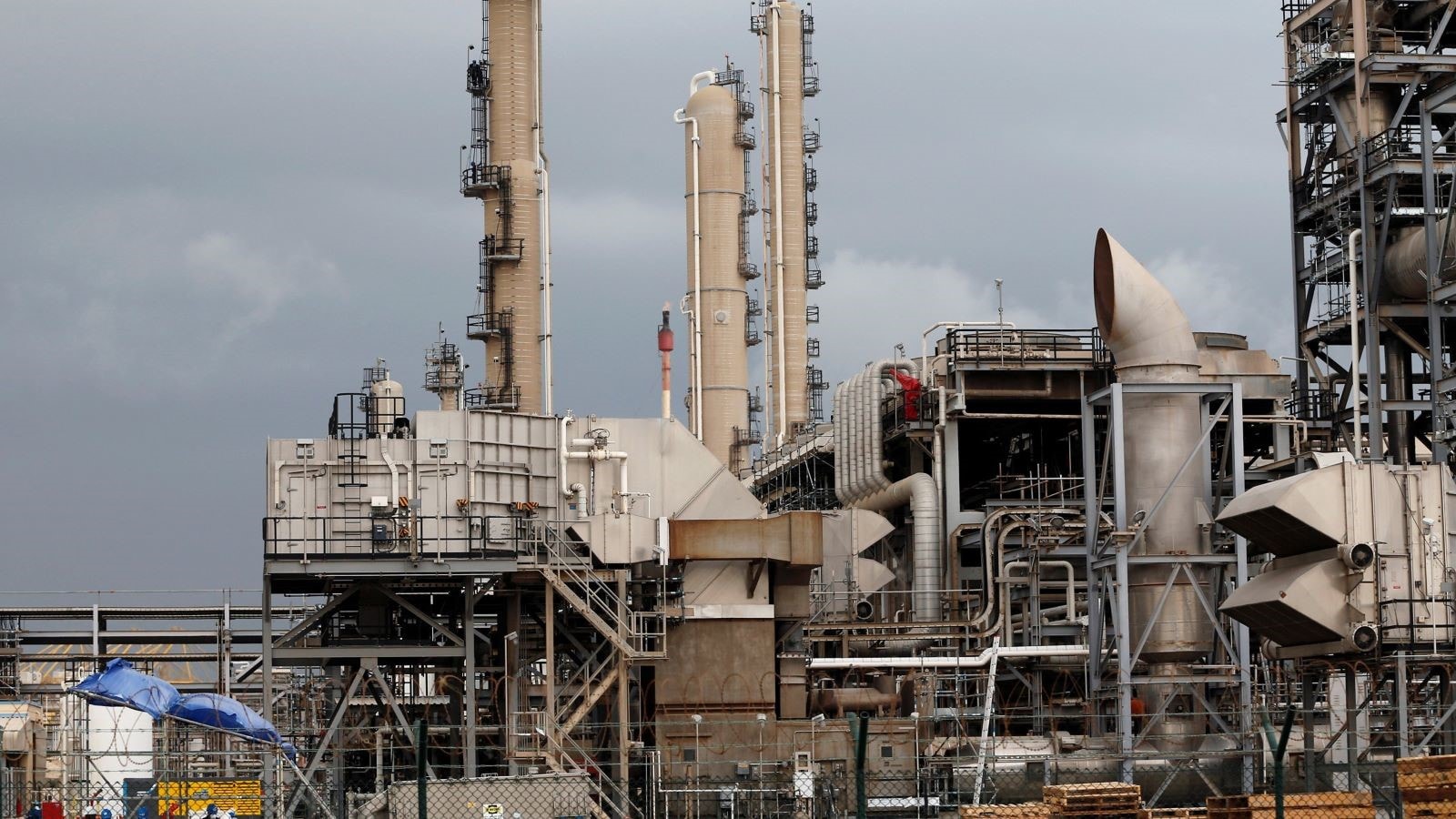
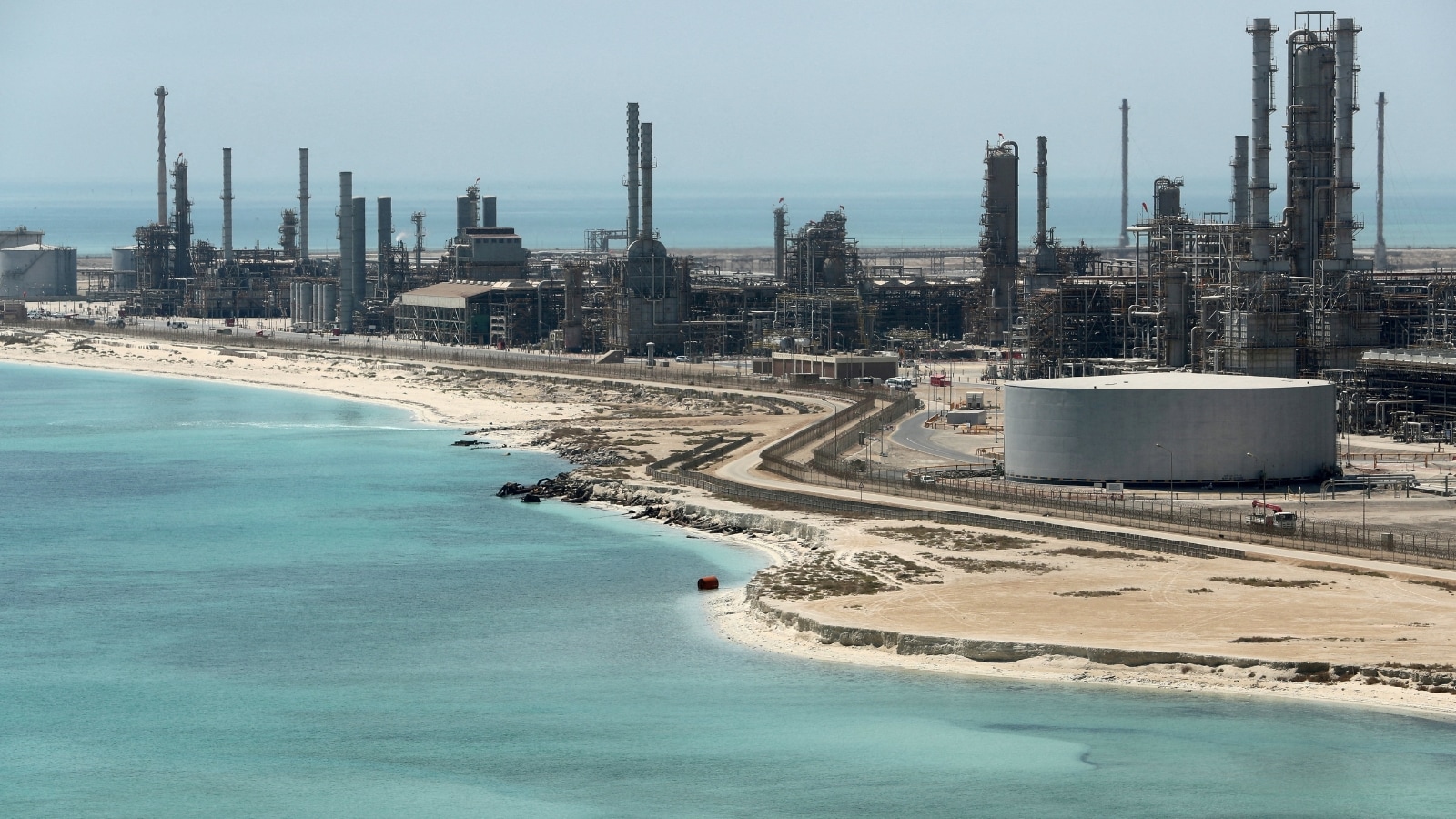
Look at the external pressures. The recent conflict involving Iran sent global crude prices soaring. Because India imports over 80% of its oil, higher crude prices mean the country has to shell out massive amounts of dollars just to keep its factories running and cars moving. This blew open the trade deficit to a five-month high in June.
The numbers tell the story. India's foreign exchange reserves hit a peak of $728.49 billion back in February 2026. By June, those reserves had dropped significantly, hovering around $674 billion before a minor recent recovery. The central bank used tens of billions of dollars to defend the rupee from a total freefall, but they can't burn through reserves forever.
Domestic issues are complicating the picture too. Retail inflation jumped to an 18-month high of 4.4% in June, driven by spiking food and fuel costs. A weak monsoon season threatens agricultural output, which means food prices could stay sticky. Economists at Capital Economics predict the RBI will have to hike domestic interest rates by 0.75 percentage points by early 2027 to cool things down.
When a central bank faces inflation at home and a weak currency abroad, it gets backed into a corner. Attracting foreign deposits acts as a vital financial shock absorber.
Echoes of the 2013 Taper Tantrum
We have seen this movie before. In 2013, the US Federal Reserve hinted it would slow down its money-printing program. That sparked the infamous "taper tantrum." Emerging market currencies plummeted, and the rupee looked incredibly vulnerable.
Back then, the RBI rolled out a nearly identical foreign currency swap scheme. It worked brilliantly, bringing in $34 billion in a short window and stabilizing the financial system.
But 2026 is a different beast. The global diaspora is much wealthier today. Advanced economies like the US and UK now contribute a larger share of remittances than traditional hubs in the Middle East. Banks aren't just sending emails anymore. They are deploying wealth management teams across Singapore and Hong Kong and running targeted digital ad campaigns on social media. They are even utilizing the financial infrastructure at GIFT City in Gujarat to route these international funds efficiently.
The Risks Lenders are Ignoring
Nothing in high finance comes free. While this cash influx protects the rupee today, it creates a hidden headache for Indian banks tomorrow.
Raising billions in foreign deposits at 7.1% to 7.5% interest rates is expensive. It drives up the overall funding costs for banks. If lenders can't find high-yielding, safe places to deploy these expensive dollars, their profit margins will take a direct hit.
There is also a weird loophole opening up at home. Wealthy domestic residents are reportedly gifting money to their NRI relatives abroad, who then turn around and invest that cash right back into these high-yield FCNR(B) schemes. It is a clever way for local investors to sneak into a party meant exclusively for overseas citizens, and it could distort the actual source of these inflows.
Actionable Steps for Overseas Investors
If you are a non-resident Indian looking to capitalize on this temporary state-backed push, you need to act quickly before the doors close.
- Check the deadlines. The lucrative FCNR(B) deposit rates under the RBI swap window are only valid for funds mobilized by September 30, 2026.
- Compare private vs public lenders. Smaller private sector banks are pushing hard to compete, offering up to 7.5% on certain tenures, while major state lenders are sticking closer to 6% or 6.5%.
- Mind the lock-in. To get the maximum yield, you generally need to commit your funds for three to five years. Make sure you don't need immediate liquidity before signing up.
The Indian government is betting big that its global citizens will protect the home currency. Given the macroeconomic storms brewing globally, it is a necessary gamble.