When the rains fail to show up on schedule across the Indo-Gangetic plains, city dwellers rarely feel the pinch right away. You check your weather app, complain about a humid afternoon commute, and forget about it. That disconnect is dangerous. Weather anomalies half a country away dictate what you pay for staples at the local market, how much discretionary cash urban households hold, and whether India's massive domestic engine keeps chugging or stalls out entirely.
The rhythm of the subcontinent relies on a predictable deluge between June and September. When that rhythm breaks, the shockwaves ripple through rural spending, corporate balance sheets, and macroeconomic forecasts before anyone in the financial sector has time to adjust their spreadsheets. If you enjoyed this piece, you should look at: this related article.
Why
Why India's Erratic Monsoon Weather is Killing Consumer Spending
business For another perspective on this story, check out the latest coverage from Business Insider.
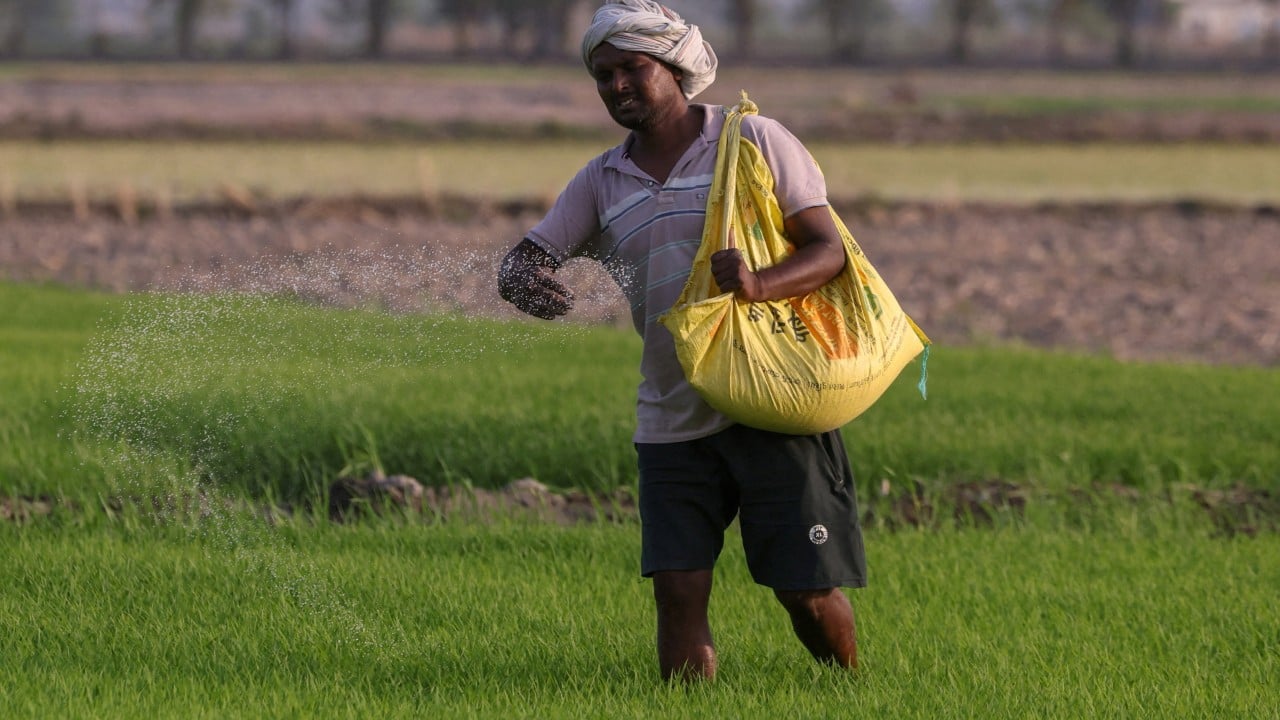
Rain is supposed to fall when it's supposed to fall. That used to be the rule. Farmers planted seeds, the skies opened up, crops grew, and rural India went out and bought motorcycles, refrigerators, and bags of cement. That economic engine is stuttering. When the monsoon behaves erratically—dumping a month's worth of water in forty-eight hours or disappearing for a crucial three-week stretch—the shockwaves hit far beyond dusty farm tracks. They hit corporate boardrooms in Mumbai and consumer goods giants selling soap in Delhi.
You see, two-thirds of India’s population depends directly or indirectly on agriculture. When harvests fail or get heavily damaged by unseasonal floods and dry spells, rural incomes dry up instantly. You don't upgrade your smartphone when your soybean crop just rotted in standing water.
Let's look at what's actually happening on the ground right now. Weather patterns have shifted from predictable seasonal cycles to erratic extremes. Climate data shows longer dry breaks during the core monsoon months, punctuated by intense, localized cloudbursts. This means crops get scorched just as they are trying to flower, or they get drowned right before harvest.
The Rural Wallet is Shutting Tight
Consumer goods companies hate uncertainty. For years, massive corporations banked on rural demand to drive their growth numbers. They built specialized smaller packaging, expanded distribution into remote villages, and ran aggressive marketing campaigns tailored for agrarian consumers.
Then the skies opened up at the wrong time.
When agricultural yields drop, discretionary spending vanishes first. Rural consumers shift entirely into survival mode. Sales of entry-level motorcycles, soft drinks, and packaged snacks plummet. Companies that rely on volume sales from small-town markets watch their quarterly margins shrink.
It is easy to blame global supply chains or inflation for sluggish domestic demand. But look closer at domestic consumption reports. The primary bottleneck isn't always interest rates or urban job markets. It is the rural consumer holding onto cash because their primary source of income—the harvest—is entirely at the mercy of increasingly unpredictable weather patterns.
Food Inflation and the Urban Squeeze
The damage isn't confined to the village level. Erratic monsoons trigger immediate supply shocks for vegetables, pulses, and grains. When tomatoes, onions, or wheat crops get wiped out in key growing belts, prices spike in urban retail markets overnight.
This creates a brutal double bind for the broader economy.
Urban households spend a massive chunk of their disposable income on food. When food inflation spikes because of crop damage, urban families suddenly have less money left over for discretionary purchases like dining out, clothing, or electronics. So you get a simultaneous drop in spending on both ends: rural consumers can't buy because their crops failed, and urban consumers can't buy because their grocery bills ate up their paychecks.
Central banks and economic planners find themselves stuck. They can't easily cut interest rates to stimulate growth if food inflation remains volatile due to weather shocks. Monetary policy is basically useless against a stalled rain cloud.
Adapting to a New Normal
Ignoring the weather is no longer a viable business strategy. Corporations, policymakers, and farmers are being forced to adapt to a reality where historical weather averages mean almost nothing.
Smart agribusinesses are investing heavily in climate-resilient seed varieties that can survive sudden dry spells or short-term waterlogging. Irrigation infrastructure is finally getting the serious attention it has needed for decades, moving regions away from total reliance on timely rainfall. Micro-irrigation techniques, solar-powered pumps, and better drainage systems are shifting from optional upgrades to absolute survival tools.
At the same time, fast-moving consumer goods companies are diversifying their revenue streams. They are doubling down on urban markets or shifting product mixes toward essentials that hold steady even when consumer wallets shrink.
If you're watching economic indicators in South Asia, stop staring solely at interest rate announcements or tech sector earnings. Keep your eyes on the radar maps during the monsoon months. The health of the entire consumer market depends entirely on whether the crops make it safely from the soil to the market.
Review local agricultural extension reports and track state-level reservoir storage levels to gauge real-time rural demand pressures before quarterly earnings drop. Shift inventory exposure away from high-ticket discretionary goods in agrarian belts toward value-driven essentials until weather patterns stabilize.