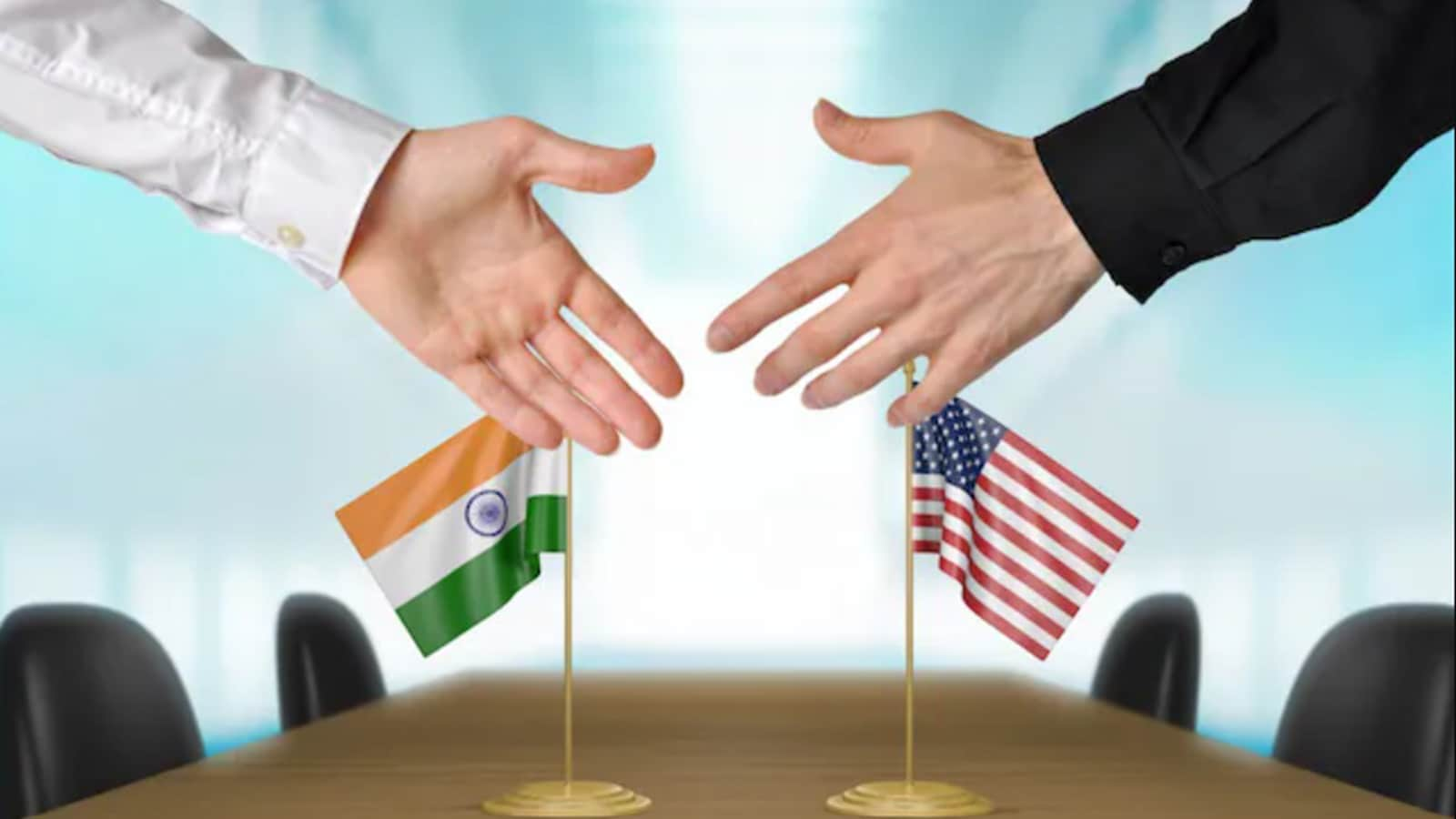
Everybody wants a piece of the world's most populous market, yet signing a comprehensive trade pact between New Delhi and Washington feels like pulling teeth. Officials keep telling us the finish line is near. Months roll by, deadlines come and go, and the text remains unsigned. If you are tracking global commerce or trying to figure out where bilateral relations are heading, the endless delays look baffling.
The friction isn't accidental. It stems from a mix of shifting American domestic trade policies, hardball negotiating tactics, and deep-seated disagreements over tariffs and energy sourcing. Let's break down what is actually keeping this agreement on ice.
The Tariff Maze and Washington's Moving Target
The biggest roadblock to finishing the trade deal isn't a lack of effort from bureaucrats. It is the volatility of the American regulatory framework.
Earlier negotiations were built around a specific tariff architecture that got upended when the US Supreme Court struck down the legal basis for emergency reciprocal duties. Ever since, Washington has been scrambling to build a new system. Naturally, Indian negotiators refuse to sign off on concessions when they have zero clarity on what baseline tariffs their exporters will actually face.
Adding to the mess, the Office of the United States Trade Representative launched Section 301 investigations targeting industrial overcapacity across several major economies, including India. These investigations hang like a dark cloud over the talks. Indian commerce officials want ironclad assurances that they won't get hit by sudden punitive duties right after opening up their own markets.
The Energy Dilemma and Russian Oil
Trade is never just about buying and selling manufactured goods. It is deeply tied to geopolitics.
Washington has leaned hard on New Delhi to scale back its economic ties with Moscow, particularly regarding discounted Russian oil imports. From the American perspective, these purchases undermine Western sanctions. From India's perspective, cheap energy is a non-negotiable anchor for domestic inflation control and macroeconomic stability.
New Delhi isn't about to rewrite its energy security playbook just to satisfy a foreign trade partner. When Western capitals demand costly concessions on energy without offering guaranteed, long-term trade protections in return, talks inevitably stall out.
Why India Won't Blink First
In past decades, developing nations often felt pressured to accept unequal terms just to secure access to Western consumer markets. That playbook doesn't work anymore.
India's economy has maintained robust real GDP growth, and the country has successfully diversified its diplomatic and commercial options. With other trade frameworks moving forward—such as ongoing economic engagement with the European Union—New Delhi has plenty of leverage. External Affairs Minister S. Jaishankar has repeatedly emphasized that India wants a balanced agreement that grants its exporters a genuine comparative advantage over rival economies. If the math doesn't favor Indian industries, the government is fully prepared to walk away or keep stalling rather than accept a bad deal.
Agricultural market access remains another landmine. Prime Minister Narendra Modi faces intense domestic pressure from millions of farmers who fiercely oppose any treaty terms that could flood local markets with heavily subsidized foreign produce. Giving ground on agriculture is politically toxic, meaning Indian leadership has very little room to compromise without risking massive domestic backlash.
What Happens Next
Despite the gridlock, neither side wants to officially kill the talks. Officials in both capitals still insist that the bulk of the technical text—especially regarding the first tranche focused strictly on goods—is largely complete.
The timing of any final announcement now depends entirely on whether Washington can stabilize its internal tariff rules and wrap up its Section 301 probes without alienating its partners. Until those pieces fall into place, expect more diplomatic theater, guarded optimism from ministers, and very little actual ink on paper.