The maritime borders of the Indo-Pacific are shifting, and the most significant motion is occurring not in public displays of force, but in the quiet boardrooms and naval command centers shared by New Delhi and Tokyo. As Indian Defence Minister Rajnath Singh prepares to host his Japanese counterpart, Shinjiro Koizumi, this week, the narrative centers on a transformation of what was once a cautious diplomatic friendship into a high-stakes security marriage. This is not mere posturing. It is a calculated response to a regional environment that no longer permits the luxury of ambiguity.
The foundation for these discussions was laid during Prime Minister Sanae Takaichi’s visit to New Delhi in July 2026. While the media focused on the optics of the summit, the real story happened in the fine print of the joint statements. Both nations have moved beyond the vague desire for a "free and open" region and are now actively pursuing the hard infrastructure of survival. The upcoming ministerial talks are intended to turn this high-level consensus into an operational reality. Meanwhile, you can explore related events here: Why the Pentagon Wants Out of the Persian Gulf After the Iran War.
At the heart of this engagement is the Unified Complex Radio Antenna project. This is not a standard defense trade deal. It represents the first instance of Japan exporting high-end, stealth-capable military technology to India. By placing these antennas on Indian warships, Japan is essentially integrating its own naval intelligence capabilities into the Indian fleet. This move circumvents the historical hesitation Tokyo has felt regarding the export of defense hardware, signaling a total shift in its strategic appetite. For Japan, the goal is clear. They require an Indian Ocean partner that can stand on its own, capable of mirroring the technological sophistication of the Japan Maritime Self-Defense Force.
The economic dimensions of this security arrangement are equally telling. The "Make in India" framework is often criticized for its slow pace of implementation, but in this specific sector, there is a frantic urgency. The two nations are building a roadmap for naval maintenance, repair, and overhaul (MRO) cooperation. Imagine a scenario where an Indian warship can dock in a Japanese-managed facility for immediate, high-tech repairs, using standardized parts and software that have been shared under a secure, bilateral protocol. This is how power is projected over vast distances. It turns the geography of the Indian Ocean into a managed, integrated asset. To understand the complete picture, we recommend the detailed analysis by Reuters.
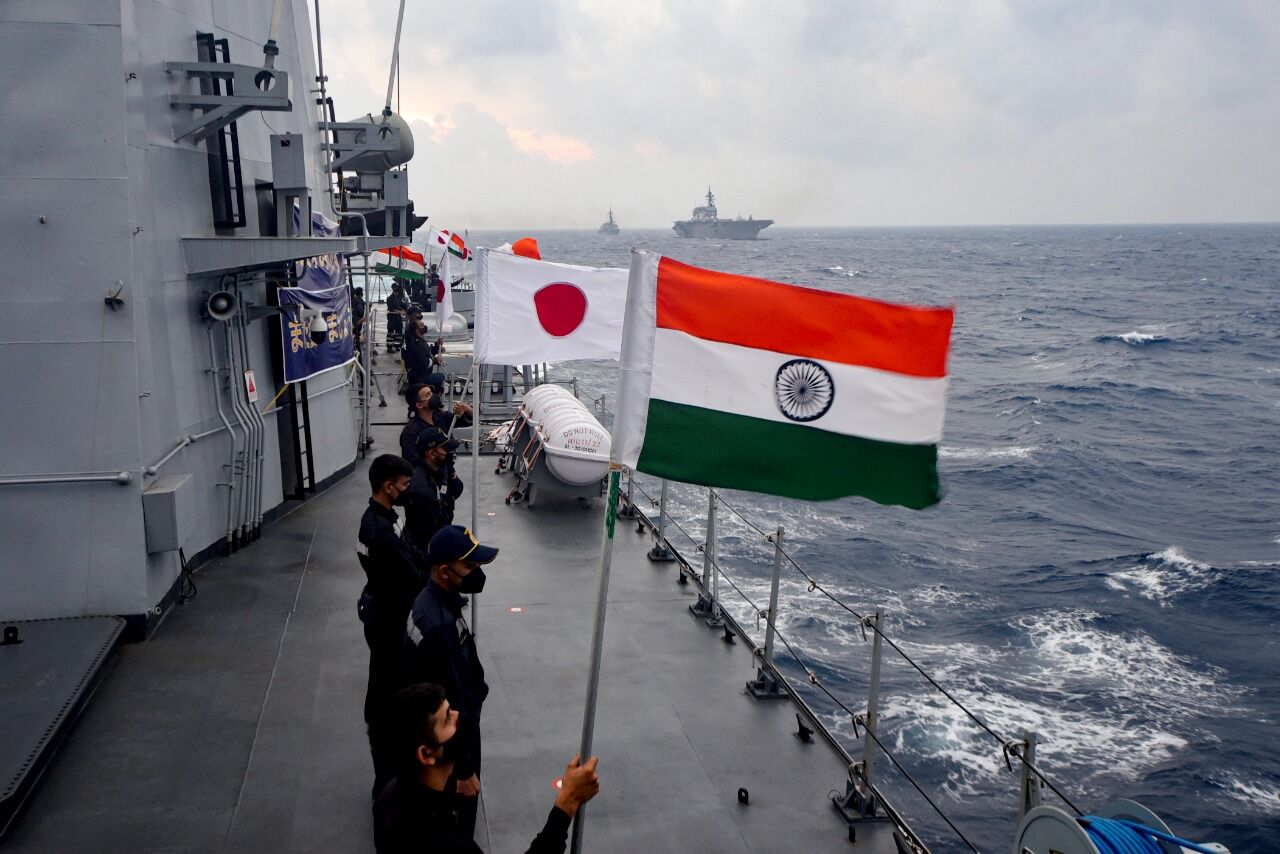
Critics often point to the slow bureaucratic machinery in both capitals as a barrier to true integration. This is a valid observation, yet it ignores the sheer velocity of the recent changes. When Shinjiro Koizumi walked the decks of the INS Chennai in Mumbai this week, he was not just on a ceremonial tour. He was assessing the compatibility of his country’s most guarded technologies with Indian platforms. The fact that the Japanese Defence Minister spent time at the Western Naval Command signifies that the military brass are already ahead of the politicians. They are already treating each other’s navies as a single, extended reach.
There is also the matter of satellite-based maritime domain awareness. In the modern theater of operations, the side that sees first wins. By linking Indian naval sensors with Japanese intelligence, both nations effectively shrink the vast, ungovernable gaps of the Indian Ocean. This is a game of digital overlays. By mapping merchant traffic, subsurface movements, and air activity through a shared, hardened network, they reduce the risk of being surprised by rival deployments.
The transition from a loose partnership to an active, tech-sharing alliance is effectively complete. The primary question is no longer whether they will work together, but how quickly they can scale this cooperation to include other regional players in the Quad. While Australia and the United States remain central to that bloc, the bilateral relationship between New Delhi and Tokyo has developed a unique, high-trust characteristic that the broader Quad lacks. They are not waiting for consensus from four different capitals. They are acting on their own bilateral interests.
The risks in this strategy are real. Both countries face immense domestic pressure to avoid being dragged into conflicts that do not directly threaten their sovereignty. Yet, the current leadership in both nations has concluded that the greater risk is isolation. By tying their industrial bases together through naval technology and maritime infrastructure, they are raising the cost of any potential aggression against them.
History will likely view this period as the moment when the Indian Ocean stopped being a transit point and started being a defensive perimeter. The technology transfer, the joint naval protocols, and the integrated MRO facilities are the blueprints for a new era of maritime sovereignty. The official communiqués will speak of "deepening strategic trust," but the reality is much more clinical. It is about building a system that functions without human intervention, where sensors, ships, and supply chains work in a singular, coordinated rhythm.
The partnership is now moving into a phase where every naval exercise, every antenna installation, and every shared database acts as a physical stake in the ground. They are building a defensive architecture that is designed to survive the volatility of the coming decade. As the ministers finalize their roadmap this week, they are not just discussing defense. They are cementing a structure that will define the reach of two of the world's most capable navies for years to come. The era of hesitant cooperation is over, replaced by a cold, efficient, and increasingly dangerous necessity.
Watch the latest analysis on the India-Japan security push
This video provides an expert breakdown of the evolving India-Japan maritime partnership and the strategic significance of the latest high-level defense meetings.
http://googleusercontent.com/youtube_content/1